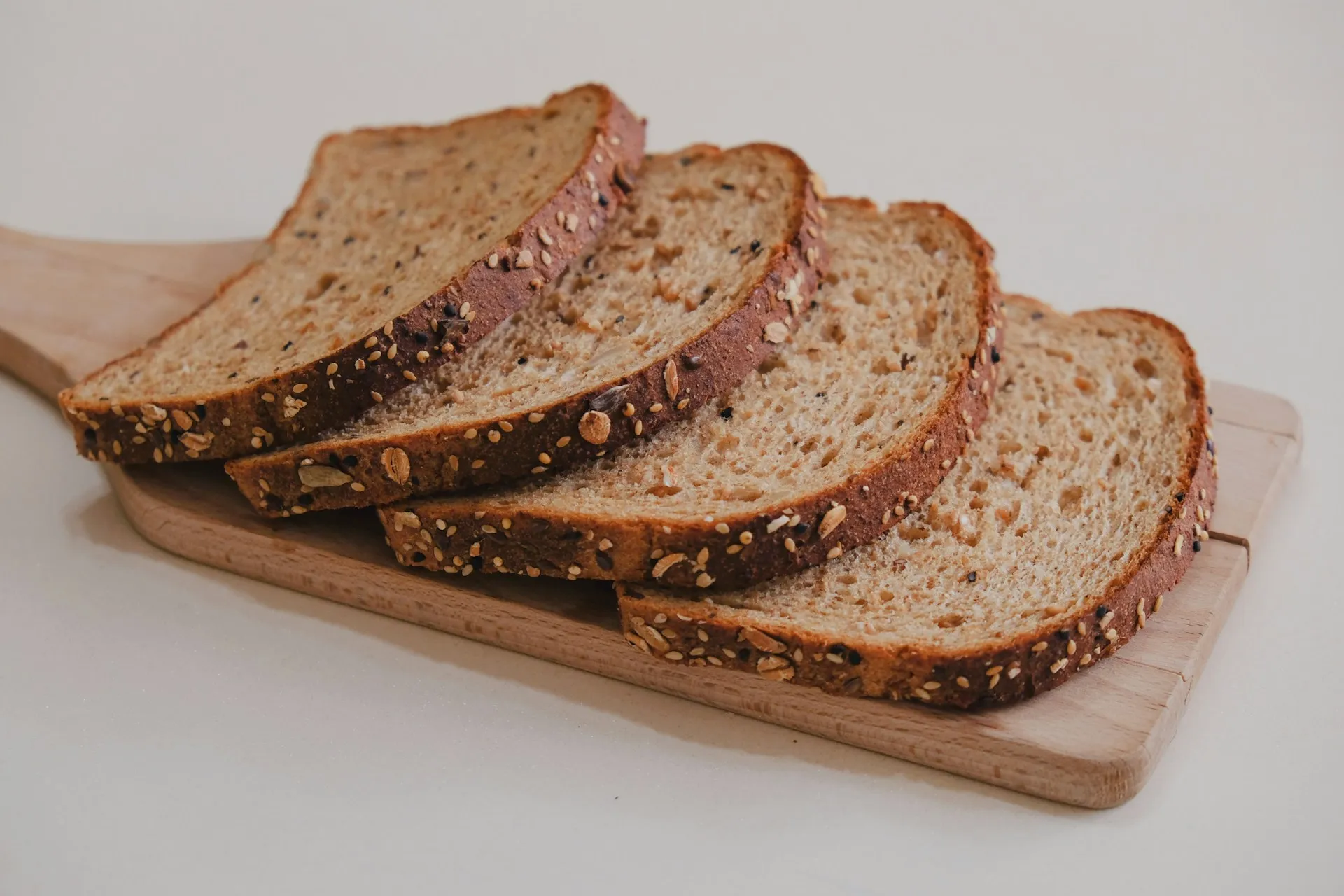

Photo by Young Shih on Unsplash
Bread is one of the oldest symbols of human civilization, a foundational element that has accompanied our dining tables for thousands of years. However, under the pressure of modern industry, bread has often lost its "soul" for the sake of production speed and flavor uniformity. We have grown accustomed to commercial white bread, instantly processed using industrial yeast, preservatives, and chemical dough conditioners. The Artisan Bread phenomenon, particularly those using the Sourdough method or natural leavening, emerges to restore the honor of this process. This is not just food preparation; it is a gastronomic ritual that places patience as the primary raw ingredient.
Crafting artisan bread is a dance between science and intuition. Unlike commercial yeast, which forces dough to rise within hours, natural leavening (the starter) relies on wild fermentation from microorganisms present in the air and flour. This process demands non-negotiable time—often requiring 24 to 72 hours—to allow beneficial bacteria to slowly break down the carbohydrate structures. Within the silence of this long fermentation, a chemical miracle occurs: gluten proteins are disassembled, lactic acid is formed, and a complex, sharp "funk" flavor profile begins to emerge.
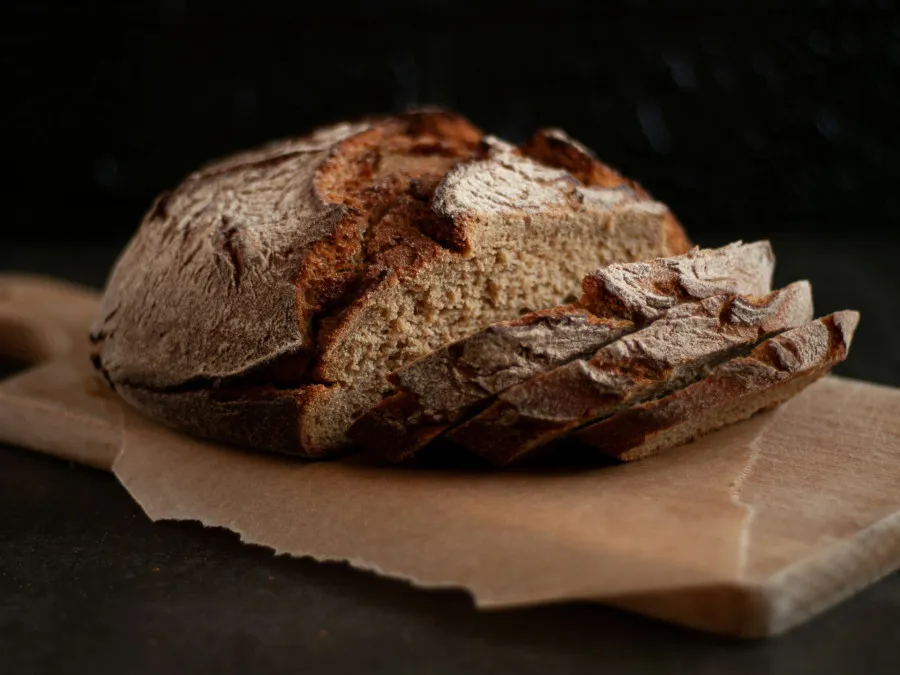
Photo by Diana Krotova on Unsplash
"Within every slice of natural leavened bread, there is a conversation between time, beneficial bacteria, and the patient hands of the artisan."
Beyond Taste: Cognitive and Sensory Dimensions
Technically, the long fermentation process of sourdough makes it a superior choice in the context of digestive health. This process naturally lowers phytic acid levels, which typically inhibit mineral absorption in the body. The result is a whole-grain bread that is not only rich in nutty and fruity aromas but also has a lower glycemic index and a texture that is much gentler on the stomach. The crunchy, golden-dark brown crust, paired with a chewy and large-pored crumb, creates a sensory experience that is impossible for any industrial machine to replicate.
In a curated dinner setting, artisan bread occupies a highly respected position. It is no longer just a side carbohydrate placed haphazardly next to the main plate, but a starter that sets the quality standard for the entire meal. Serving a warm slice of sourdough with high-quality artisan butter is a statement about the honesty of ingredients. There are only flour, water, and salt—yet through the hands of an artisan, these three simple elements transform into a work of art with profound flavor depth.
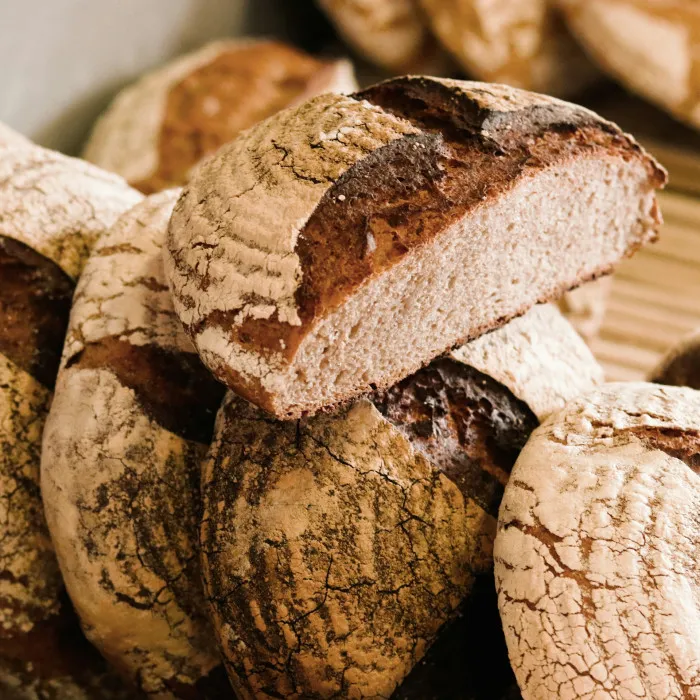
Bread as Cultural Heritage and Craft
Enjoying natural leavened bread is our way of celebrating authentic culinary craft. Every loaf of bread has a unique character; no two sourdough loaves are truly the same because they are influenced by ambient temperature, humidity, and even the micro-ecosystem of the kitchen where they were born. It is the antithesis of mass consumption culture. When we cut into the hard surface of the bread and hear that satisfying "crunch," we are actually listening to the result of hours of dedication from a baker who paid attention to every fold of the dough.
In the future of modern gastronomy, the trend of returning to natural leavening is predicted to grow even stronger. Society is beginning to realize that true luxury is not about expensive exotic ingredients, but about time. Artisan bread teaches us to slow down, to appreciate a process that cannot be faked. It reminds us that behind every great dish, there is a natural ecosystem working in harmony if we give it enough space and time. Bread is the bridge between the soil and the dining table, a cultural artifact that remains relevant as long as we still value the meaning of honest flavor.
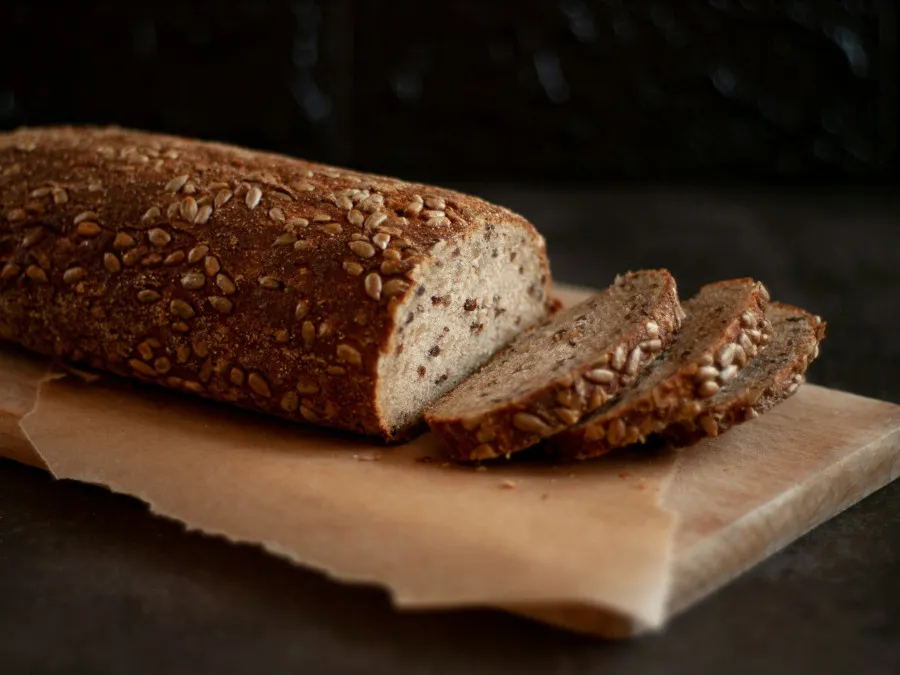
Photo by Diana Krotova on Unsplash
"Good bread is never in a hurry; it waits until the flavor reaches its peak to greet your palate."
WRAP-UP!
Natural leavened bread is the pinnacle of luxurious simplicity, a reminder that basic food elements can become extraordinary when crafted with artisan integrity. On your next visit to a bakery or restaurant, ask if they maintain their own natural yeast (starter). Try the bread without any toppings first to experience the depth of its unique fermentation aroma; the difference will change the way you view a slice of bread forever.

![Smart Publication+ 3.0: Build Authority. Drive Growth. [Technical Specification]](https://www.alinear.sr-digital.biz/assets_web/images/qr-codes/bd48cb0acb2d9586570edb8a7303cee1.jpg)