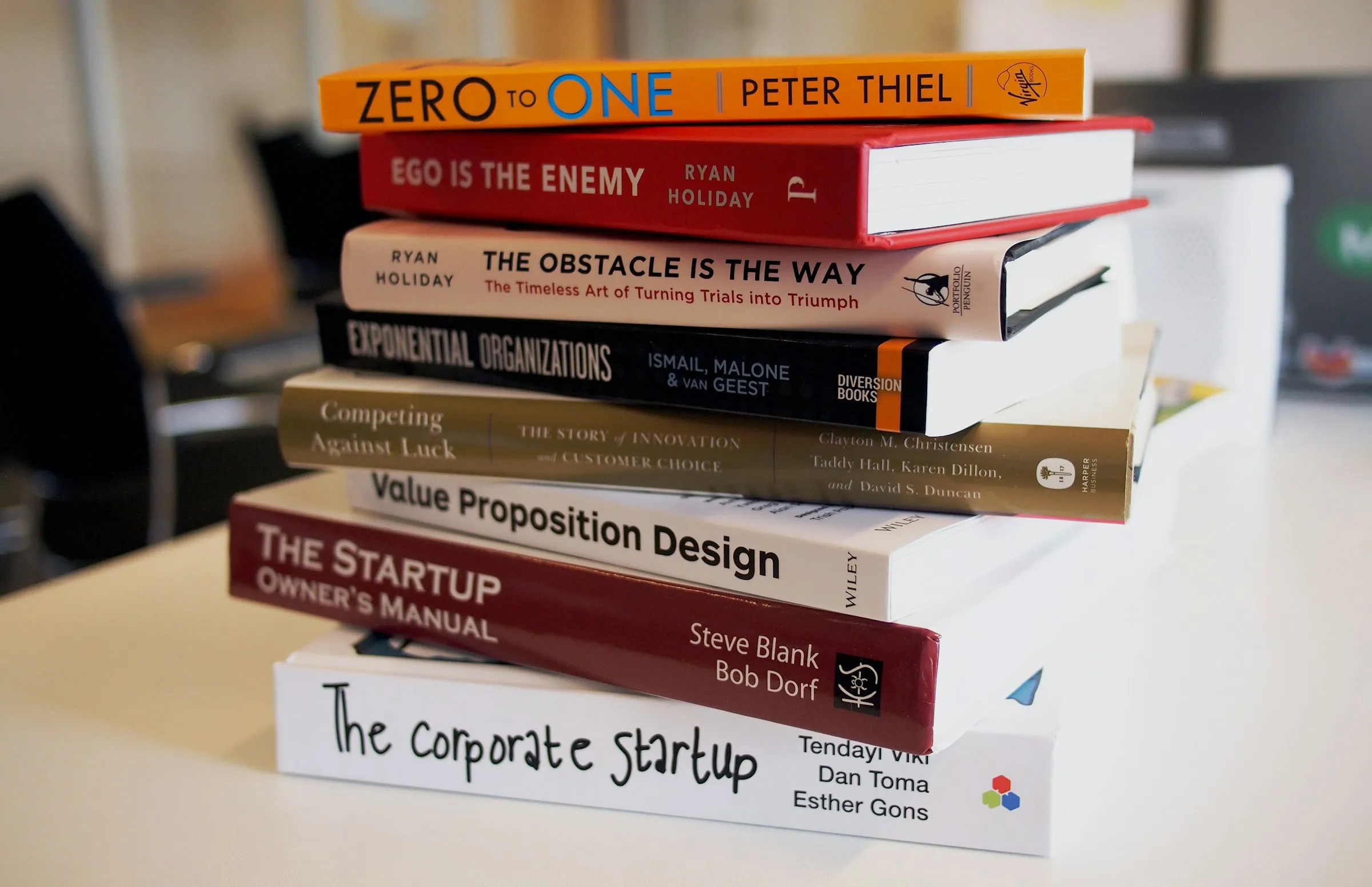

Photo by Daria Nepriakhina 🇺🇦 on Unsplash
The way we consume information has changed drastically, but our brain's ability to process long narratives still requires a slow approach. The phenomenon of Deep Reading is now seen as a practice of cognitive salvation. Unlike the way we scan short articles or social media news that often only touch the surface, reading a physical book forces the brain into complex linear analysis. When we hold a book, feel the texture of the paper, and smell the ink, our senses are locked onto a single object. The absence of notifications and other visual distractions creates a "flow" state that allows us to fully enter the author's world of thought.
"Reading a book is a cross-time conversation; it requires stillness so the author's voice can be heard clearly within our minds."

Photo by Clay Banks on Unsplash
Neurologically, deep reading involves a process called reflective contemplation. When we read deep narratives, our brains do not just process words but build intricate mental simulations. We train our empathy muscles by placing ourselves in the perspectives of characters or ideas different from our own. Studies show that reading complex literature can increase connectivity in the somatosensory cortex, the part of the brain responsible for processing physical sensations. Literally, reading about an experience can make our brain feel as if we are living it ourselves. This is what makes literature the most powerful tool for expanding our understanding of humanity.

Photo by Alejandro Barba on Unsplash
This practice also serves as an antithesis to the decline of attention spans. By committing to finishing a book, we are training the brain to stay focused on one subject for an extended period. It is a form of cognitive meditation that calms the nervous system. Physical books provide healthy boundaries; there is a beginning, an end, and tangible progress felt through the thickness of the pages turned. The physical proximity to a book creates an emotional connection that digital text cannot provide. A book on a shelf is not just an object; it is a reminder of an intellectual journey we have taken.

Photo by Samantha Hentosh on Unsplash
Making deep reading a part of one's lifestyle is an effort to maintain mental integrity. In a world full of instant opinions, the ability to understand long, nuanced arguments is an intellectual advantage. We need to return to literature to find productive silence. By giving ourselves time to drown in a book, we don't just add knowledge but give room for the soul to grow wiser. Deep reading is a beautiful act of rebellion against shallow information, a way to ensure our minds remain sharp, vast, and full of empathy.
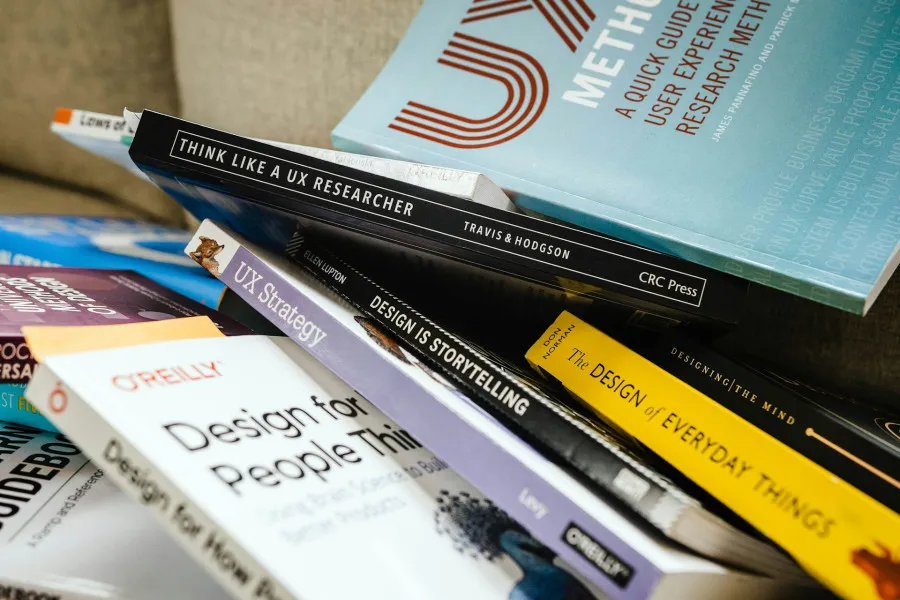
Photo by Karl Solano on Unsplash
"Do not just read to know; read to feel, to understand, and to become more human."
WRAP-UP!
Deep reading is the gateway to irreplaceable emotional intelligence and mental sharpness. Tonight, turn off all your devices an hour before bed, pick up a physical book you’ve long desired, and let yourself sink into every sentence without rushing.
![Alinear Indonesia [Brand/Business Registration] Smart Publication & Smart Activation](https://www.alinear.sr-digital.biz/assets_web/images/qr-codes/3e23e7dab43d2e72854ba48a3a09cf75.jpg)