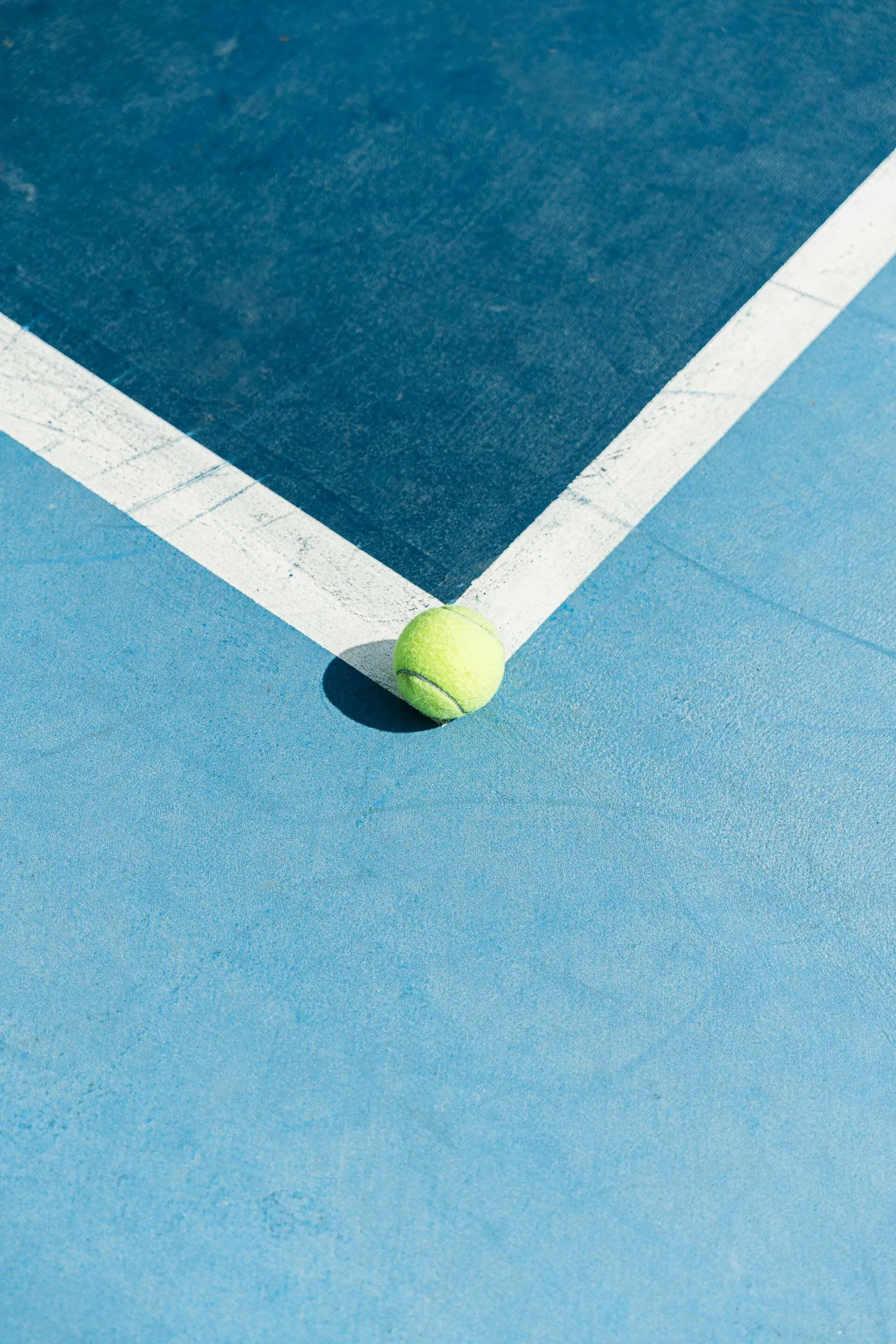

From courts in Dubai, Madrid, to Melbourne, a significant shift is occurring in the racket sports arena: Padel. Dubbed 'The Fastest-Growing Sport' globally, Padel is more than just a simpler version of Tennis; it's an innovation that addresses the modern generation's need for efficient, inclusive, and experiential activity.
For many players and investors, Padel is now rapidly outpacing the growth of Tennis. Why has this relatively new sport so quickly penetrated the global market? The key lies in its design philosophy: Padel is engineered for accelerated learning, team interaction, and instant enjoyment.
Padel is the best biohack for your social well-being. The blend of low-impact intensity and high team interaction creates the balance sought by every modern professional. Let's break down the three core pillars that establish Padel not just as a fleeting trend, but as an experiential hub for a new community.

Photo by Vincenzo Morelli on Unsplash
1. The Accessibility: Easy to Start, Low Impact
For amateur players, one of the biggest barriers in traditional racket sports is the steep learning curve. Padel overcomes this through several key design elements that make it incredibly friendly to beginners and various age groups.
– The Underhand Serve
The rule requiring the underhand serve (ball struck below the waist after one bounce) immediately eliminates the pressure and technical complexity often faced by Tennis novices. This ensures rallies start quickly, making the game enjoyable from the very first minute.
– Compact and Low-Impact Courts
A Padel court is significantly smaller than a Tennis court, and the sport is always played doubles. This compact size means players don't need marathon-running stamina; instead, they rely on positioning and communication. Crucially, it reduces stress on the knees and joints, making it a more inclusive choice that supports sports longevity.
– The Wall as an Ally, Not an Enemy
The most important philosophy of Padel is the bounce back. A ball that hits the glass wall or mesh is still in-play. This rule turns mistakes into second chances, significantly reducing beginner frustration and extending rallies, which enhances the game's flow.

Photo by Vincenzo Morelli on Unsplash
2. The Social: The Ultimate Team Experience
Padel is exclusively played in doubles mode (four people). This format inherently makes it a highly social sport, ideal for networking or spending quality time with friends.
Because the players are in close proximity, communication, laughter, and interaction are integral to every game. This makes the experience far more intimate and collaborative than playing traditional singles racket sports.
Padel courts are often strategically located in modern venues with comfortable lounges and cafés. After an intense session, this relaxed setting encourages players to linger longer, transforming the court into a Third Place that bridges physical activity and post-game social interaction.
Padel tests your ability to cooperate. The long rally strategies demand a deep understanding of your partner, making it an excellent medium for building team chemistry and trust.

Photo by Vincenzo Morelli on Unsplash
3. Padel Uniqueness: The Strategy Behind the Walls
While easy to play, mastering Padel requires a unique understanding of the wall physics that Tennis lacks. The ability to hit the ball after it has rebounded off the back wall is a fundamental skill. Expert players use the wall to manipulate the ball's speed and angle, maintaining control over the flow of the game.
Padel balls have a lower decompression than Tennis balls. This means the ball tends to 'die' after hitting the glass, forcing players to advance to the net (maintain position at the net) and sustain dominance in the attacking zone—a strategy heavily oriented towards the volley and net game.

Photo by Bruno Vaccaro Vercellino on Unsplash
WRAP-UP!
Padel is more than just rackets and balls; it is a response to the lifestyle evolution that seeks a balance between physical fitness, mental well-being, and social connection. It is a sport that values team strategy more than individual raw power.
If you are looking for a sporty activity that is fun, doesn't demand professional athletic skill from day one, and promises a strong social network, Padel is your best investment in a meaningful experience right now.
What was the most surprising thing you discovered the first time you played Padel, and in which country did you try it?

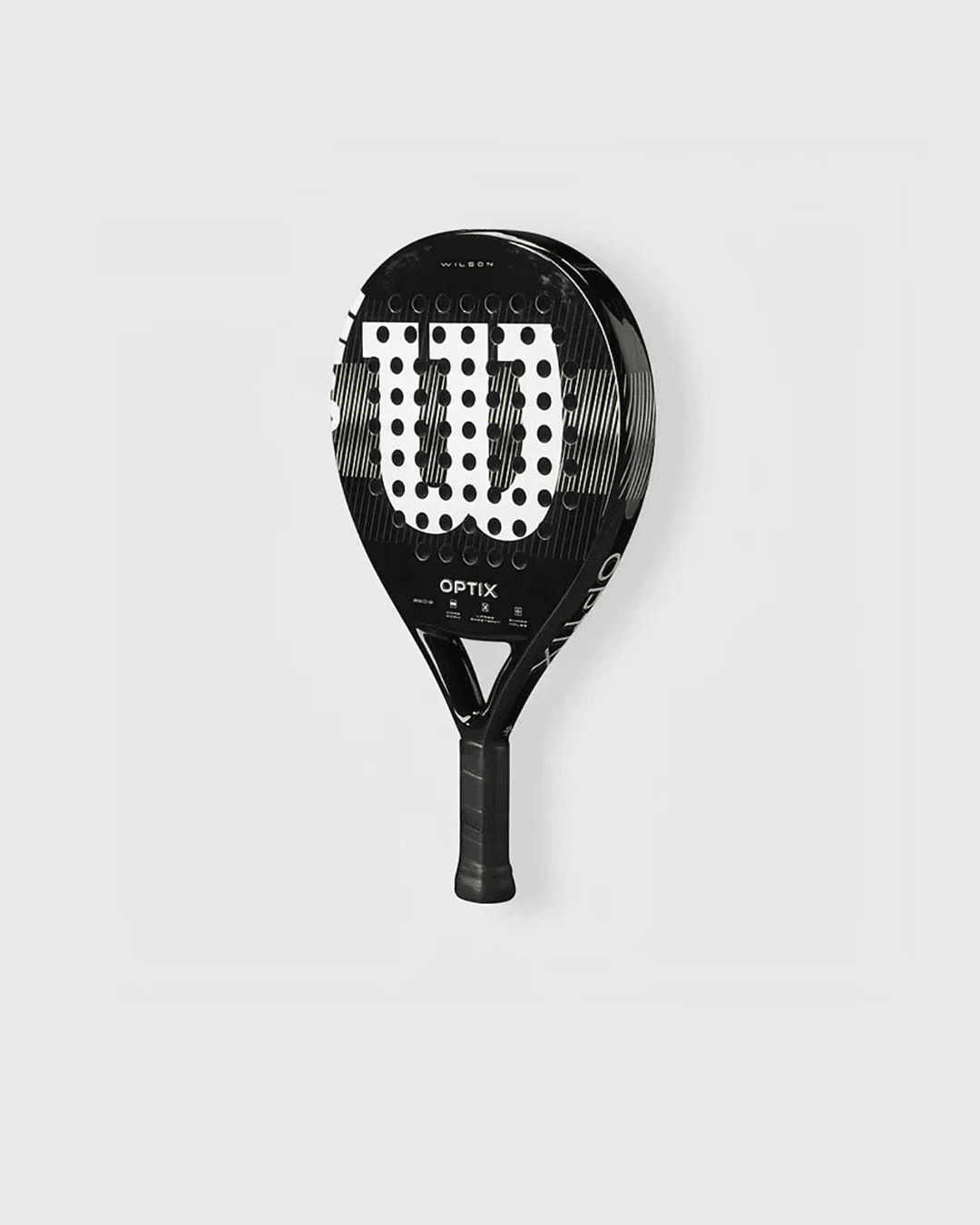

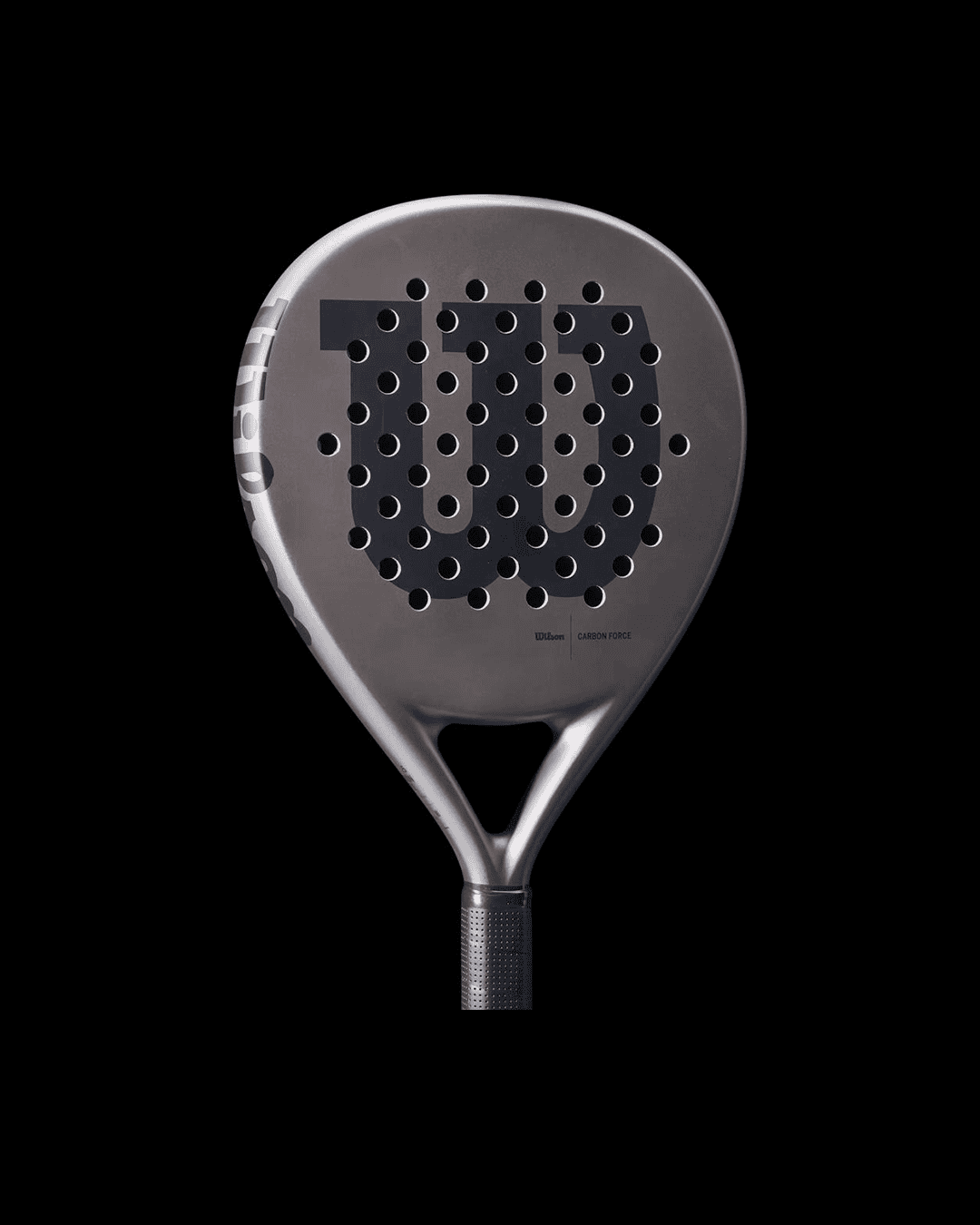
![Alinear Indonesia [Brand/Business Registration] Smart Publication & Smart Activation](https://www.alinear.sr-digital.biz/assets_web/images/qr-codes/3e23e7dab43d2e72854ba48a3a09cf75.jpg)