

Photo by Andrea Natali on Unsplash
Since Generative AI (such as ChatGPT, Gemini, and other automation tools) entered the workplace, much of the discussion has focused on its impact on creative roles like copywriters, programmers, or designers. However, there is a critical layer in the corporate structure currently standing at the crossroads of threat and opportunity: Mid-Level Managers.
Mid-level managers are the backbone of operations. Their roles often involve repetitive tasks such as drafting progress reports, managing schedules, analyzing data dashboards, and sending routine updates. These are precisely the tasks most susceptible to AI automation.
This article explores how mid-level managers must shift their mindset from "operators" to "strategists" and why mastering AI is the ultimate key to upskilling in a tech-driven business era. It’s Not Just for Coders or Content Writers. Mid-Level Managers Must Adapt and Master AI as a Strategic Assistant—or Risk Being Replaced by Intelligent Automation.

Photo by Julio Lopez on Unsplash
1. The Shift in Tasks: From Operator to Strategist – Generative AI can effectively take over 40–60% of a mid-level manager’s repetitive tasks:
– Automation of Reports and Summaries
AI can analyze sales data, social media engagement, or customer feedback across various dashboards and compile a structured weekly summary in seconds. This eliminates hours previously spent on manual data crunching.
– Team Communication Efficiency
AI can draft routine emails, summarize lengthy meeting minutes, and organize complex project schedules faster and more accurately than human effort.
– Focus on Deep Work and Human Skills
With routine tasks automated, managers gain more time for Deep Work—tasks only humans can perform: long-term strategic visioning, team mentoring, conflict mediation, and building stakeholder relationships.

Photo by visualsoflukas on Unsplash
2. Mandatory Upskilling: Mastering AI for Leadership
The manager of the future must view AI not as a threat, but as a highly efficient personal executive assistant. Essential skills to master include:
•• Prompt Engineering for Management: Managers must learn how to provide specific, contextual instructions to AI so that the output aligns perfectly with the team’s strategic goals. AI is only as smart as the prompt it is given.
•• Data Storytelling: While AI compiles the report, the manager’s job is to explain what the data means. Managers must be able to transform numeric summaries into compelling narratives that convince C-Level executives to make informed business decisions.
•• Ethical AI Use: Managers must understand the limitations and risks of AI, such as data privacy, algorithmic bias, and copyright issues. They are responsible for ensuring their teams use AI ethically and safely.
•• Coaching and Developing the Team: The manager’s role is shifting toward that of a coach. They are responsible for helping their team upskill in AI tools and redirecting their focus toward high-value tasks that cannot be automated.
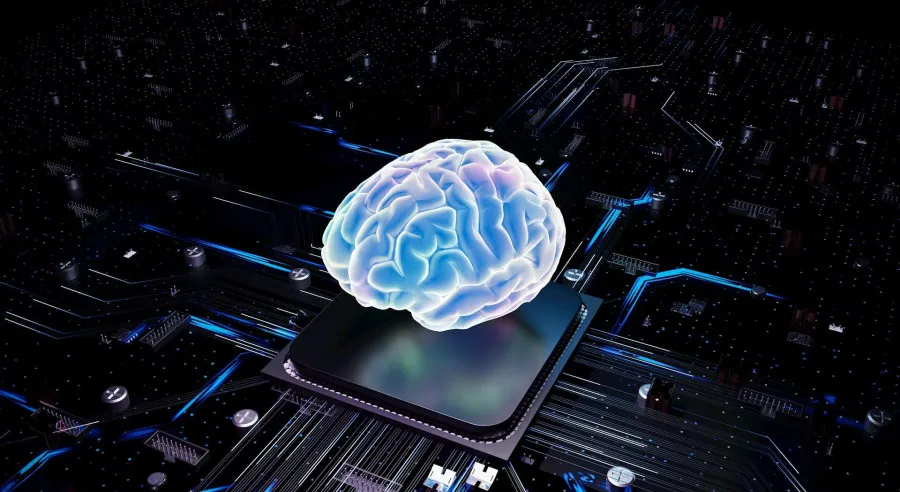
Photo by Sumaid pal Singh Bakshi on Unsplash
3. The Threat of Stagnation is Greater Than the Threat of AI – The biggest threat to mid-level managers isn't the technology itself, but stagnation—the refusal to adapt.
If a manager continues to spend the majority of their time on tasks that are easily automated (like creating tedious summary slide decks), their value to the company will plummet. A company would rather pay for a monthly AI subscription than retain a manager whose function is identical to a software tool.
Managers must proactively find ways to integrate AI into their workflows, demonstrating that they are not just users of technology, but innovators capable of leading their teams toward higher efficiency.

WRAP-UP! – The Manager of the Future is a "Humanizer"
The evolution of the mid-level manager’s role is actually good news. By letting AI take over the mundane mental workload, managers can refocus on what their teams need most: humane leadership, empathy, and strategic vision.
The manager of the future is a Humanizer—someone who uses advanced technology to free up their team's time and energy, allowing them to focus on creativity and human interaction. This is the key to making AI an opportunity, not a threat. – Which Generative AI tool do you rely on most to save time at work?
![Alinear Indonesia [Brand/Business Registration] Smart Publication & Smart Activation](https://www.alinear.sr-digital.biz/assets_web/images/qr-codes/3e23e7dab43d2e72854ba48a3a09cf75.jpg)