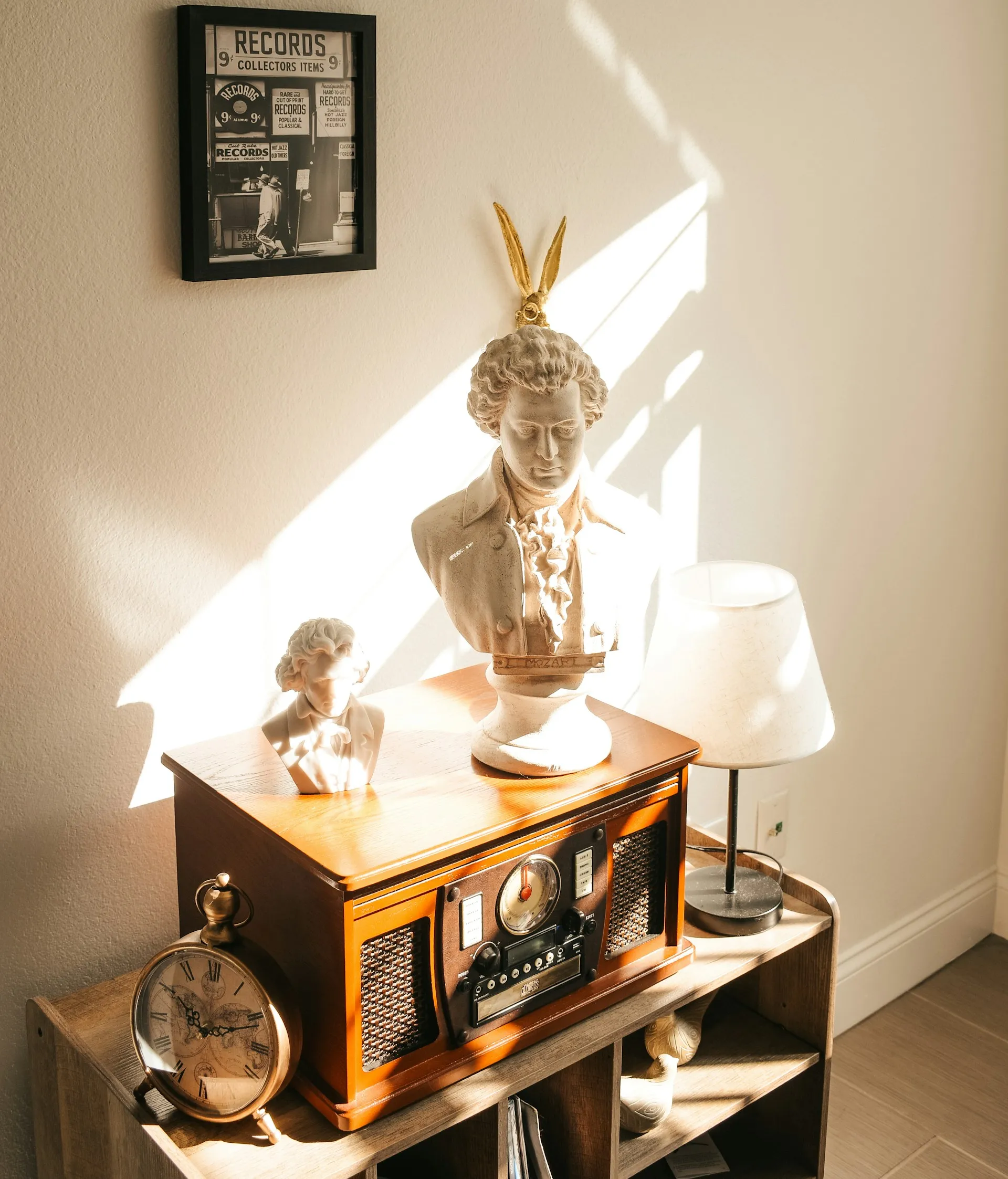

Photo by Antonina Glotova on Unsplash
Self-expression in vertical living spaces no longer relies on bulky, space-consuming furniture. In the first half of 2026, micro-apartment owners are turning to Vintage Poster Art as both a curated collectible investment and a character-driven wall aesthetic. Hunting for original graphic prints from the mid-century era introduces a touch of nostalgic warmth that softens the stark rigidity of modern apartment architecture.
Once-bare concrete walls are being transformed into private galleries that exude high-level curatorial taste. This trend reflects a growing maturity among urban interior enthusiasts, who are moving away from mass-produced decor in favor of preserving pieces of visual history that possess a distinct soul.
Why Classic Graphic Prints Hold Such Allure
The primary appeal of an authentic vintage poster lies in the physical process of its production, which cannot be replicated by today's digital technology. There are three core physical characteristics that make these classic works highly sought after:
•• Antique Typography Character and Paper Texture
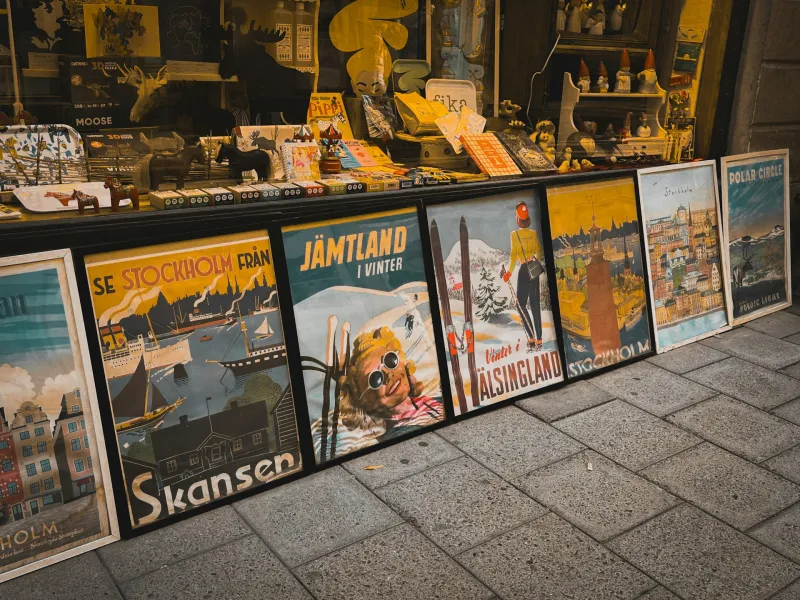
Unlike flawless, ultra-precise modern digital prints, vintage posters—such as 1960s European functional advertising or classic film bills—utilize screenprinting or lithography techniques. This results in thick ink layers, bold colors that age gracefully into beautiful patinas, and rich paper textures that offer stunning visual depth when caught by home spotlighting.
•• Aesthetic Solutions for Limited Spaces
In compact living layouts, a large-scale vintage poster serves as a commanding statement piece and focal point without sacrificing precious floor space. These pieces create an illusion of spatial depth and naturally spark engaging conversations when hosting guests.
•• Steadily Appreciating Collectible Value
Hunting for original posters requires a keen eye. Collecting prints that carry limited edition run numbers or signatures from historic graphic designers is far more than a decorative choice; it represents an investment in the secondary art market whose value consistently climbs as these urban artifacts grow scarcer.

Photo by Abigail Boone on Unsplash
Hunting and Assessing Poster Authenticity
For novice collectors looking to step into this secondary art market, the curation process requires a basic understanding of technical production to avoid purchasing mass-produced modern reproductions. The first step involves inspecting the paper stock's fiber and weight; antique newsprint or mid-century lithographic paper ages with a distinct natural patina and carries an organic scent completely different from today's chemically coated stocks.
Next, examine the print edges closely using a magnifying loop. An authentic lithograph displays ink pigments seamlessly fused into the paper fibers, entirely lacking the micro-dot matrix pattern characteristic of modern digital printers. Researching the historic print studio or advertising bureau that originally published the poster also serves as a crucial baseline for validation, drastically solidifying its future resale value.
Archival Framing Guide to Protect Your Art Asset
Displaying Vintage Poster Art in a compact apartment requires careful execution, as vertical space humidity and direct sunlight exposure can degrade antique ink pigments over time. The framing process must strictly follow archival framing standards. Utilize UV-protective acrylic glass instead of standard glass to safeguard the artwork against color fading caused by ambient lighting or window glare.
Furthermore, ensure the frame incorporates an acid-free matboard to prevent chemical deterioration of the vintage paper over the years. Hanging the framed piece directly above the primary sofa or along an entryway corridor—paired with directional gallery spotlights—will beautifully accentuate the raised ink textures of classic screenprints.
"Collecting original vintage posters isn't merely about hanging images of the past on today's walls; it's about rescuing fragments of visual history to live within our personal spaces."
To evaluate whether a vintage poster qualifies as a viable long-term investment asset in the first half of 2026, keep a close watch on these three scarcity metrics:
–– Physical Condition and Restoration History
Posters that have remained completely unfolded or display minimal edge wear always command a premium. Flawless professional restoration work using Japanese tissue paper is highly acceptable in specialized print auction markets.
–– Era Popularity and Designer Pedigree
Works originating from the Bauhaus movement, Art Deco style, or the mid-century Swiss Style (International Typographic Style) of the 1950s and 1960s hold the most stable price floors due to their monumental impact on modern design history.
–– Circulation Volume and Edition Seriality
Posters printed in limited quantities for highly localized regional campaigns carry far more collector value than corporate advertisements that saw distribution in the millions during their initial release.
"Within limited walls, true luxury is no longer measured by the volume of items you display, but by the depth of the narrative held within a single, definitive piece of decor."
WRAP-UP!
The rising pursuit of Vintage Poster Art in the first half of 2026 proves that spatial constraints in vertical living can trigger highly personal, high-value curatorial creativity. Mid-century classic graphic prints demonstrate that character-rich visual beauty, authentic paper textures, and secondary art investment value can seamlessly coexist within the modern compact luxury.
Begin your curatorial journey by seeking out reputable antique print galleries or tracking specialized art auction houses, prioritizing mid-century European functional advertisements or exhibition posters as excellent entry points for your collection.
Looking to feature your brand and business through Alinear Indonesia’s Smart Publication & Smart Activation? Share your experience and consult with us today. Click here!