

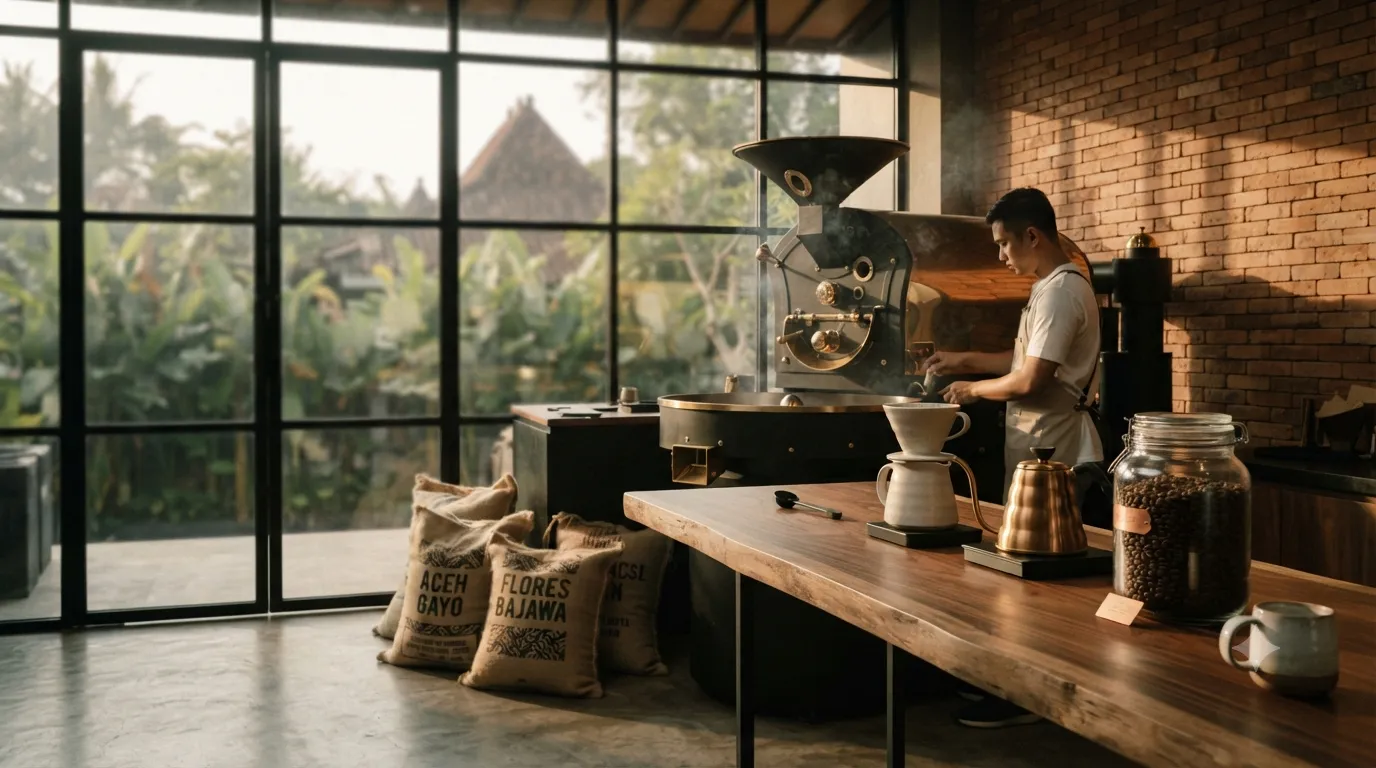

Photo source: Alinear Indonesia Docs. (Gemini AI – Generated Images)
In nearly every corner of metropolitan avenues and satellite commercial districts, franchise coffee shops featuring uniform logos stand tall, offering rapid service and mass-market pricing. Yet, beneath the dominance of these multi-million-dollar corporate chains, a quiet counter-movement is redefining national coffee standards. Known as the micro-roastery movement, these small-scale independent batch roasters choose a different path: rejecting homogenization to preserve the sovereignty of flavor authenticity.
Aligning with business growth analyses from Inc.com, competition in the modern F&B retail sector is no longer won by entities with the largest capital, but by those with the sharpest identity. Independent micro-roastery operators recognize that today's urban consumers—particularly young professionals and specialty coffee enthusiasts—seek an intimate experience far beyond a morning stimulant. They look for stories, origins, and a deep-rooted respect for local farmers.
SME Scale-Up: Surviving and Thriving Without Losing Soul
Managing a micro-roastery in a saturated market demands disciplined SME growth strategies. Rather than executing aggressive expansions by opening hundreds of branches—which risks compromising quality control—successful independent shops focus on strengthening direct trade supply chains and community-based operational efficiencies.
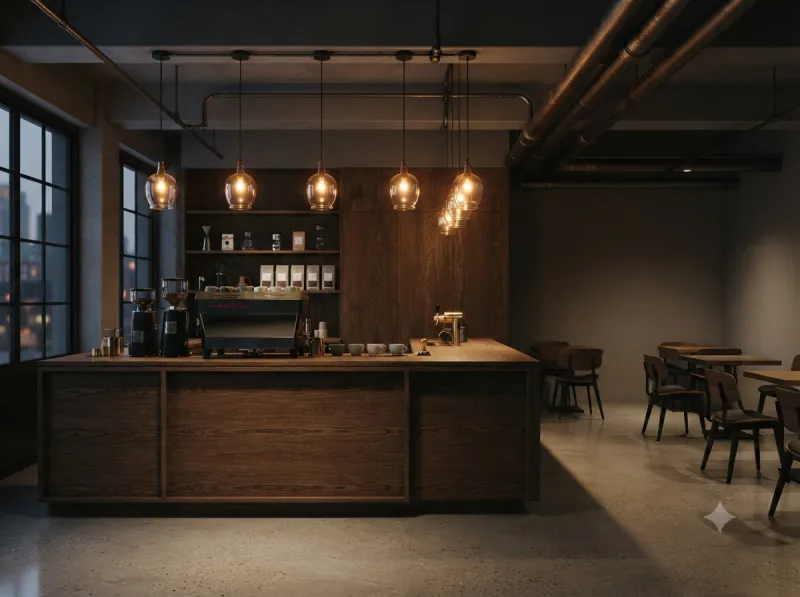
Photo source: Alinear Indonesia Docs. (Gemini AI – Generated Images)
Emphasizing the aesthetic lifestyle curation of Love Happens Magazine, a micro-roastery’s ultimate strength lies in its communicative space. The cafe interior is not merely designed to maximize seating capacity, but is curated as aesthetic spaces—blending recycled wood materials, warm exposed concrete walls, and dim accent lighting that showcases the roaster machine as the artistic heartbeat of the room. This space transforms into a tasting gallery where patrons can directly witness green beans transform into aromatic liquid in their cups.
Practical SME Growth Guide: Three Pillars of Micro-Roastery Success
Translating a passion for coffee into a sustainable and profitable business requires a disciplined operational framework. Below is a strategic guide for small and medium enterprise (SME growth) operators in the artisan coffee sector:
•• Direct Trade Partnerships: Cut down long supply chains by purchasing coffee beans directly from farmers in regions like Kerinci, Flores, or Ijen. This ensures top-tier bean quality while delivering fair margins to local producers.
•• Rare Bean Curation (Micro-Lot Selections): Offer seasonal experimental coffee variations (anaerobic fermentation, honey process) that cannot be found in commercial mass-market coffee chains.
•• Education-Based Marketing: Turn every transaction into a knowledge-sharing session. Baristas act as curators sharing flavor profiles, growing altitudes, and the life stories of farmers behind the cup.
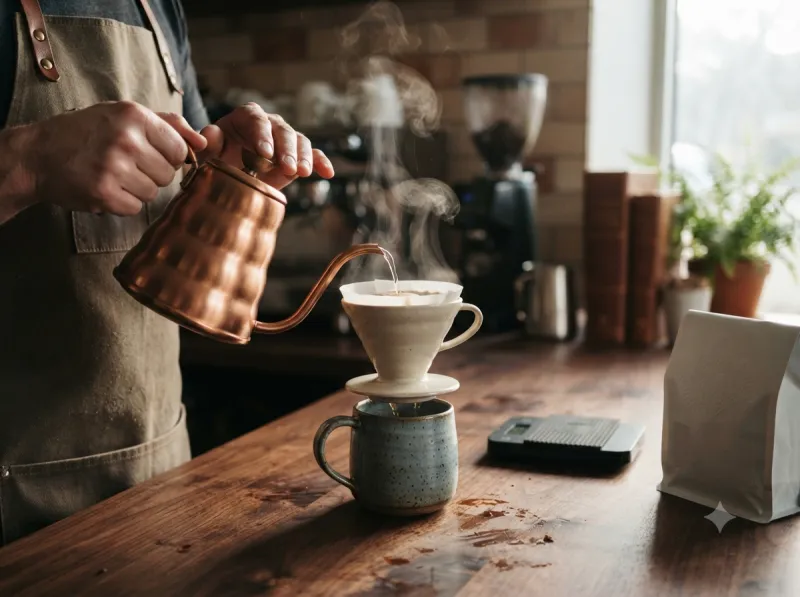
Photo source: Alinear Indonesia Docs. (Gemini AI – Generated Images)
Critical Consumer Sociology and the Value of Sustainability
Evaluating this trend from the perspective of urban consumer behavior, the passion for artisan coffee reflects a deeper value shift: the demand for authenticity. In a fast-paced, automated corporate world, independent coffee shops offer emotional sanctuary. Consumers are willing to pay higher prices not merely for the taste of coffee, but to support a sustainable, ethical business model.
"Di hadapan mesin sangrai yang presisi dan biji kopi pilihan dari petani lokal, kedai kopi independen membuktikan bahwa karakter selalu mengalahkan skala besar."
When a micro-roastery adopts eco-friendly principles—such as recyclable packaging, coffee ground waste reduction, and product origin transparency—it builds a loyalty ecosystem that massive corporate advertising budgets simply cannot buy.
Indonesia's Independent Coffee Industry
Ultimately, The Micro-Roastery Movement proves that massive scale is never a guarantee of victory in the modern market. Through sharp SME strategies, a commitment to authentic quality, and clever execution of aesthetic spaces, independent coffee shops have cemented their position as vital pillars in Indonesia’s creative economy.
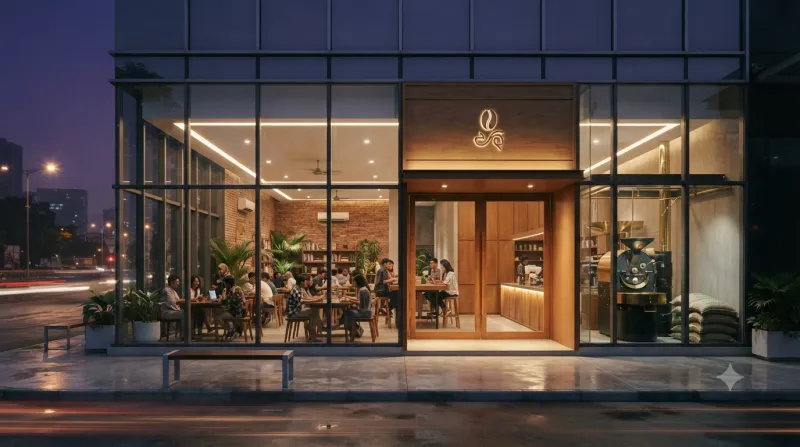
Photo source: Alinear Indonesia Docs. (Gemini AI – Generated Images)
Unifying Nusantara’s bean wealth, precise roasting techniques, and community warmth, these independent coffee artisans are not just brewing the perfect cup; they are weaving a resilient, proud future for the local retail industry.
"Kesuksesan sebuah micro-roastery bukan dinilai dari seberapa banyak cabang yang dibuka, melainkan dari seberapa dalam kedai tersebut merawat cerita di setiap cangkirnya."
WRAP-UP!
The independent micro-roastery movement in Indonesia demonstrates that an SME growth strategy centered on rare bean curation, direct farmer relationships, and intimate spatial designs (aesthetic spaces) can successfully outperform large-scale franchise dominance in terms of quality and consumer loyalty.
Small-scale coffee shop operators are advised to strengthen brand identity through local bean origin narratives, invest in emotional, community-friendly interior layouts, and consistently maintain roasting profile standards to preserve their critical urban market share.
Looking to feature your brand and business through Alinear Indonesia’s Smart Publication & Smart Activation? Share your experience and consult with us today. Click here!



![Alinear Indonesia [Brand/Business Registration] Smart Publication & Smart Activation](https://www.alinear.sr-digital.biz/assets_web/images/qr-codes/3e23e7dab43d2e72854ba48a3a09cf75.jpg)