


Photo source by SR Digital - Alinear Indonesia (Adobe FireFly – Gemini AI)
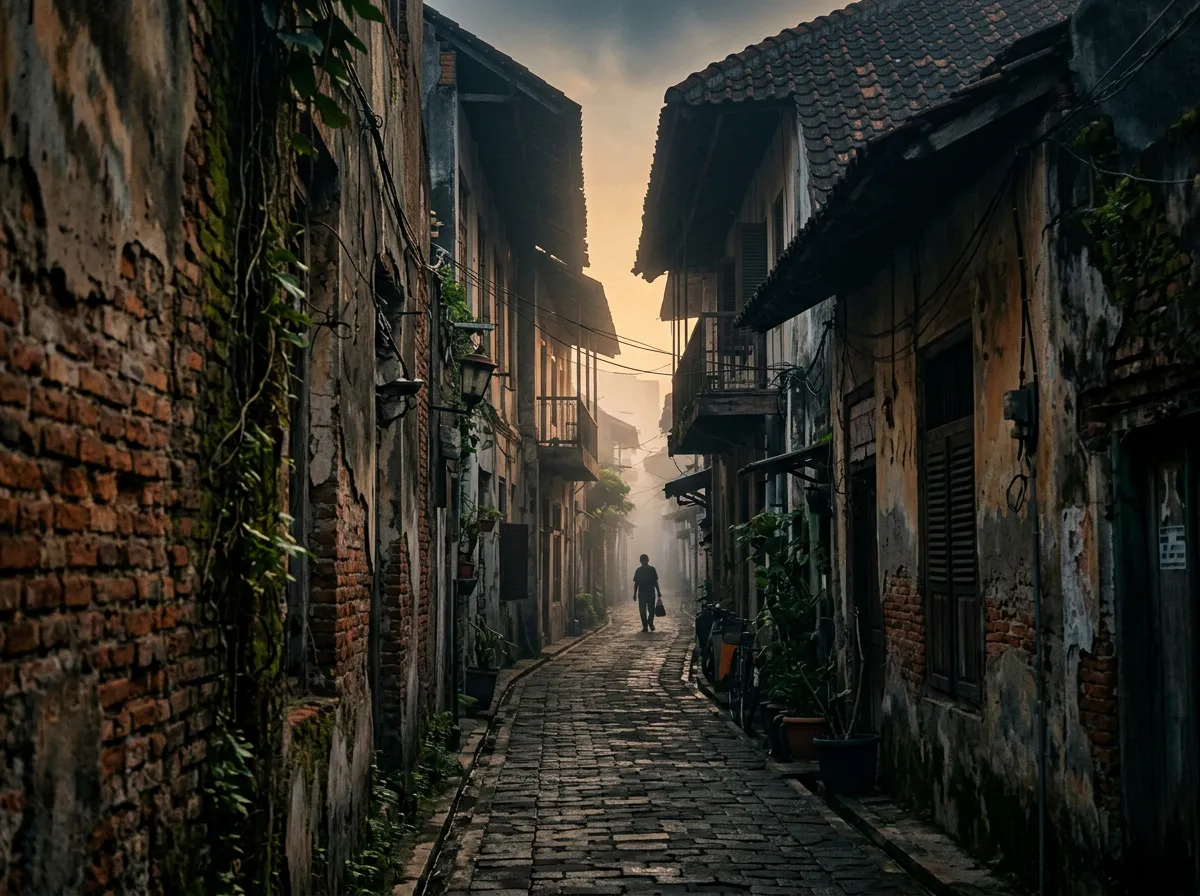
Experiencing Jakarta in mid-2026 is no longer confined to the glass-and-steel skyscrapers of the Sudirman-Thamrin corridor. The urban tourism trend has pivoted toward a more intimate, historical exploration through The Alleyways of Jakarta. This article invites you to step into the concealed lanes of Glodok, Kota Tua, and the hidden corners of Pasar Baru—each harboring deep narratives of the past. Navigating these urban labyrinths offers a raw encounter with fading colonial architecture, legendary heritage coffee shops that have survived generations, and a profound cultural harmony etched into the city's brickwork. It serves as a flawless weekend escape, inviting you to absorb the capital's historical romanticism by simply slowing your pace.
The Labyrinths of Glodok and Kota Tua – A Resilient Romanticism
Stepping into the lanes of Glodok is less of a geographical relocation and more of a sensory catharsis. These narrow alleys operate as living archives that refuse to succumb to time. Weathered walls with peeling paint reveal layers of deep history, where micro-family businesses protect culinary recipes and traditional medicinal remedies that have remained unchanged for over a century.
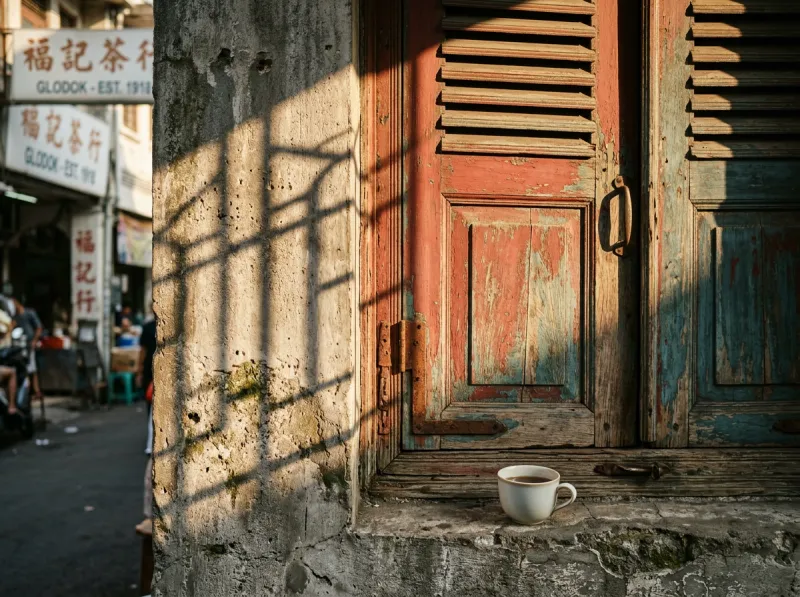
Photo source by SR Digital - Alinear Indonesia (Adobe FireFly – Gemini AI)
Walking slightly northward toward Kota Tua, urban explorers are met with a dramatic contrast between the grand scale of colonial architecture and the intimacy of the back alleys. Behind the sturdy European-style facades lie quiet, forgotten corridors that serve as sanctuaries for the local ecosystem. Here, the long shadows cast by ancestral roofs create a soothing visual aesthetic, offering an intellectual sanctuary where the urban mind can disconnect from daily cognitive demands.
Pasar Baru – The Epicenter of Harmony and Vintage Retail
Pasar Baru presents a entirely different deconstruction of urban space. As one of Jakarta's oldest commercial centers, this district preserves a socio-cultural harmony evident in the daily interactions of high-texture textile merchants, bespoke tailors, and intimate coffee dens hidden behind modern shophouse storefronts.
Meandering through Pasar Baru's alleys fosters a deep appreciation for community resilience. The semi-open architectural design with elongated corridors allows late afternoon breezes to flow organically, liberating visitors from artificial air conditioning and restoring shopping to what it was meant to be: a meditative, social, and deeply mindful activity.

Photo source by SR Digital - Alinear Indonesia (Adobe FireFly – Gemini AI)
Tactical Mobility Integration and Cognitive Restoration
Navigating these historic, winding pathways demands high mobility and flexibility, making it an ideal journey to pair with [City Cycling Guides: Rediscovering Historic Urban Architecture on Two Wheels]. Utilizing a bicycle to traverse between districts allows you to glide seamlessly from the vibrant Chinatown lanes of Glodok to the historical serenity of Kota Tua without breaking the emotional proximity to the rhythm of the streets.
The duality between the physical engagement of cycling and the contemplative quietude of walking through narrow gangways creates a beautifully balanced itinerary. This serves as an effective instrument for internal restoration, positioning the metropolitan city not as a source of chronic stress, but as an open-air classroom that expands one's life perspective.
"Behind the roar of Jakarta’s traffic lies a stillness neatly tucked away in its ancient alleyways, waiting for those who know how to honor time."
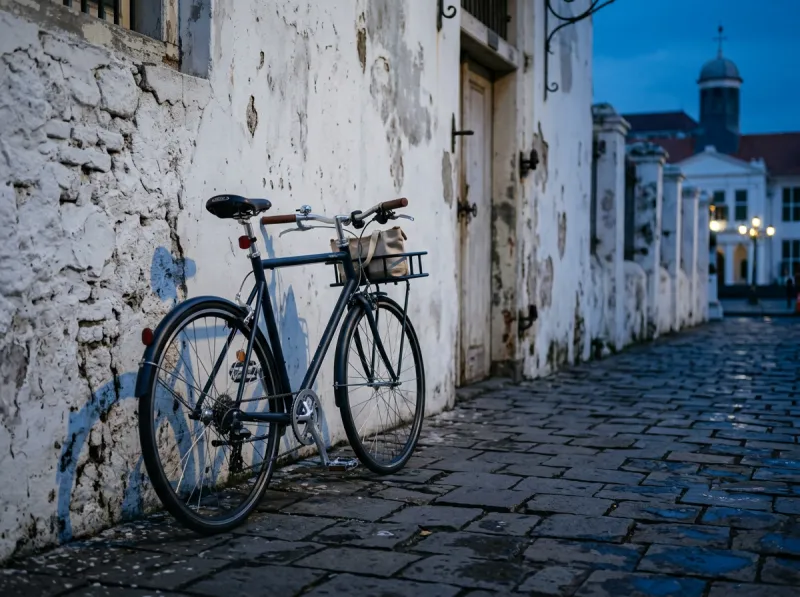
Photo source by SR Digital - Alinear Indonesia (Adobe FireFly – Gemini AI)
Preserving Urban Authenticity Across Generations
Maintaining The Alleyways of Jakarta as a conscious cultural tourism destination requires strict mindfulness regarding the local micro-environment. Exploring these spaces means respecting the privacy and domestic rhythms of communities that have occupied these corridors for generations.
By supporting local micro-vendors, respecting the cleanliness of ancient pathways, and honoring the aesthetic value of fading architecture, we actively contribute to a sustainable local circular economy. A city’s resilience is never measured by its ability to erect new towers, but by how it preserves the soul and memories embedded within its quietest corners.
"Slowing your step in the capital's oldest alleyways is a subtle political act: a refusal to be dictated by mechanical speed, in order to celebrate the purity of human connection."
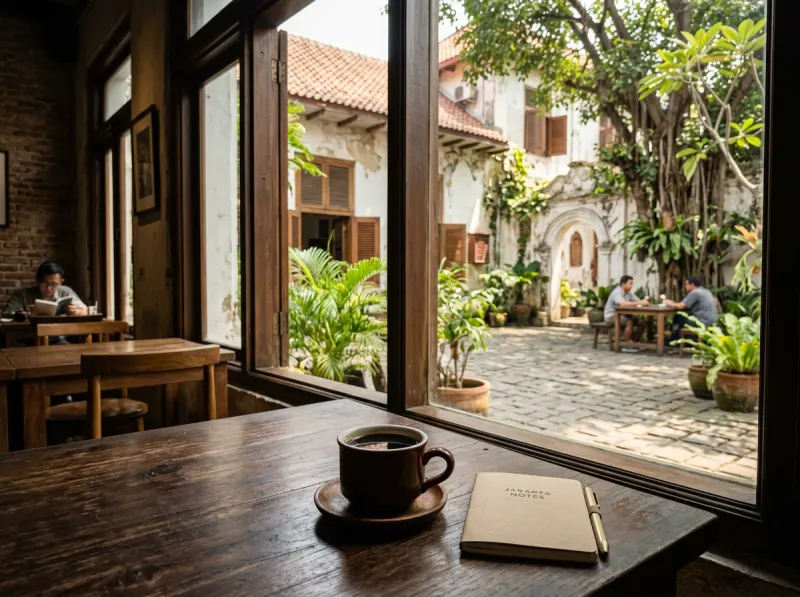
Photo source by SR Digital - Alinear Indonesia (Adobe FireFly – Gemini AI)
WRAP-UP!
A deep exploration of The Alleyways of Jakarta proves that the ultimate luxury in modern urban tourism lies in the authenticity of the experience and the depth of historical connection. Navigating the hidden paths of Glodok, Kota Tua, and Pasar Baru offers a priceless catharsis for urbanites fatigued by uniform commercial structures. Backed by the mobility of integrated cycling routes, this slow exploration morphs into a tangible manifestation of a conscious lifestyle—safeguarding collective urban memory while actively sustaining local socio-cultural ecosystems.
This weekend is to curate a personal, digital-free urban retreat. Silence all device notifications, prepare a cycling route from a trusted city guide, and begin your journey at the dawn of day in Jakarta's historic core. Dedicate at least two hours to wander aimlessly without a rigid agenda through Chinatown's lanes or colonial walkways. Sip a slow cup of coffee at a local heritage establishment, and allow your senses to fully absorb the architectural details and organic human interactions around you. This deliberate practice will restore internal focus, lower cognitive fatigue, and renew the way you value time and space within the metropolitan hustle.
Looking to feature your brand and business through Alinear Indonesia’s Smart Publication & Smart Activation? Share your experience and consult with us today. Click here!



![Alinear Indonesia [Brand/Business Registration] Smart Publication & Smart Activation](https://www.alinear.sr-digital.biz/assets_web/images/qr-codes/3e23e7dab43d2e72854ba48a3a09cf75.jpg)