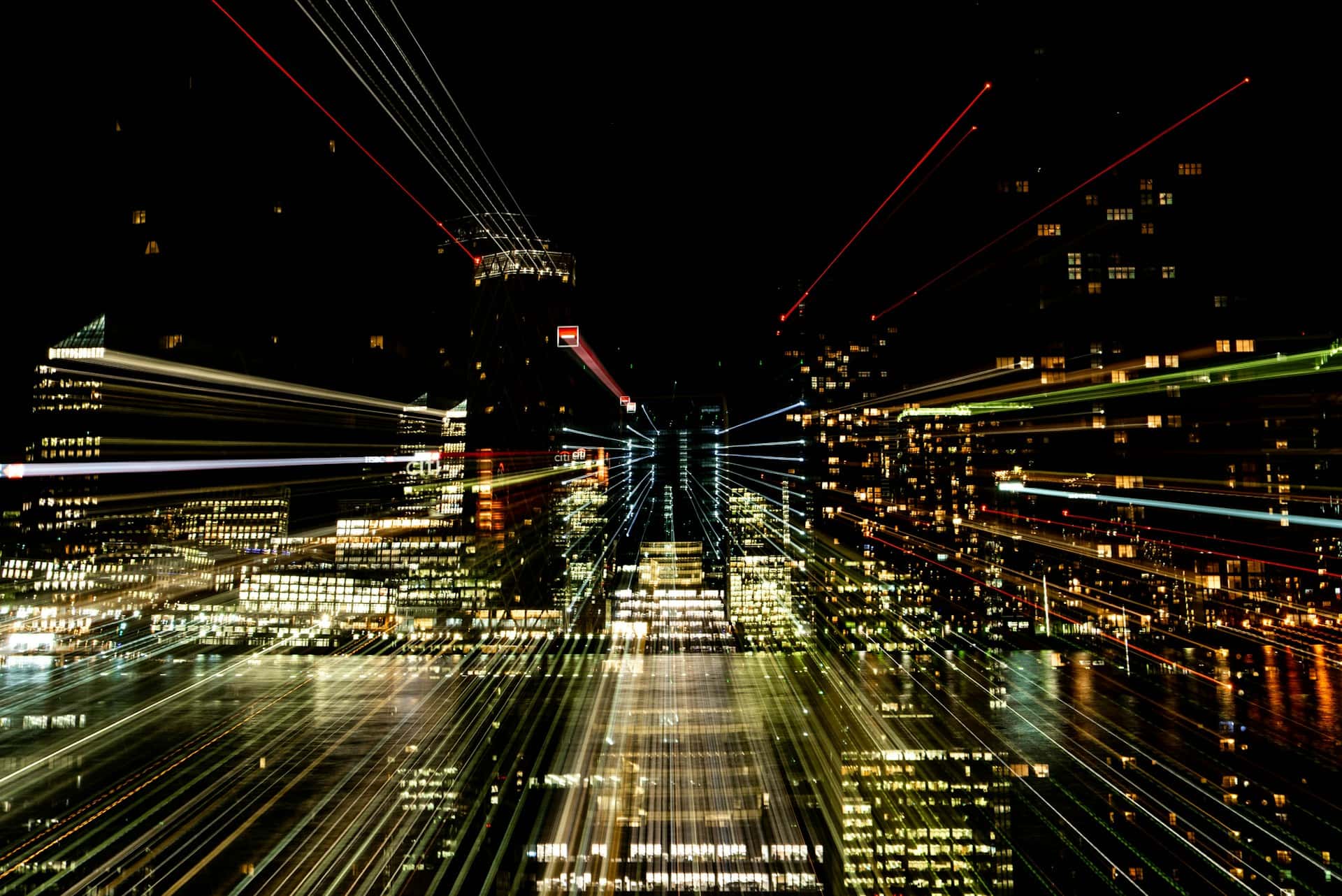

Photo source by Alinear Indonesia Docs. (Adobe FireFly – Gemini AI)
In a visual landscape oversaturated by billions of instant digital images that vanish in seconds behind glowing glass screens, the definition of a valuable piece of art is undergoing a profound structural shift. Viewing the art market through the specialized lens of Vogue Culture, contemporary luxury no longer belongs to flawless, hyper-sharp digital renders. Instead, value is generated by physical presence, material heritage, and a rigorous, hands-on production process.
The clear resurgence of collecting authentic silver-gelatin prints is a direct aesthetic rebellion against this digital impermanence. The modern urban art scene is moving away from treating photography as a mere graphic file fed through a computerized inkjet nozzle. Instead, tastemakers are embracing it as a tangible, light-carved physical artifact built carefully from a calculated dance between light, raw metallic silver, and darkroom patience.
Silver Halide: Why the Chemical Emulsion Remains Unmatched
To understand the exceptional value of these archives, one must look closely at the physical differences between modern digital ink deposits (giclée) and traditional silver suspension methods. A genuine silver-gelatin print is crafted by projecting light through an analog film negative onto a heavy art paper coated with a light-sensitive gelatin emulsion containing microscopic silver halide crystals.
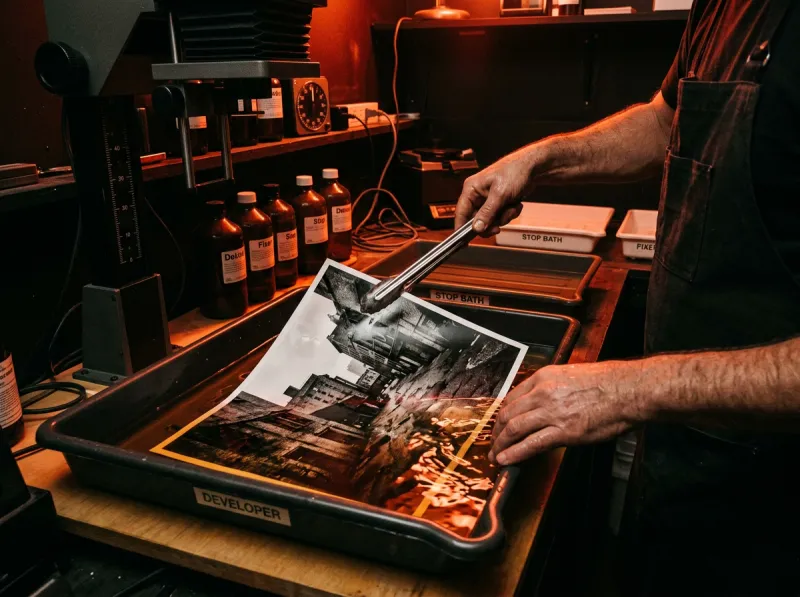
Photo source by Alinear Indonesia Docs. (Adobe FireFly – Gemini AI)
This chemical reaction yields what master printmakers refer to as D-max—the absolute maximum density of black tones. This specific structural attribute delivers a deep, three-dimensional quality that digital machinery cannot match. The physical silver metallic particles embedded directly into the cotton fibers scatter ambient room light dynamically, meaning the artwork visually changes based on the exact angle of the viewer.
The Darkroom Ritual and the Physics of Scarcity
For the collector whose standards match the curators of GQ Culture, the premium value of a print is anchored directly in the human elements of its production. Every single silver-gelatin work is an unrepeatable sequence of tactile choices executed manually under the dim amber glow of a darkroom safelight.
Because every variable—from exposure times and chemical chemistry temperatures to manual hand-shielding techniques (dodging and burning)—is driven entirely by the printmaker’s physical choices, no two prints ever match perfectly. This embedded physical variance elevates the print from a simple duplicate into an original hand-crafted art piece, driving its long-term scarcity market value.
A Historic Aesthetic Asset on the Minimalist Wall
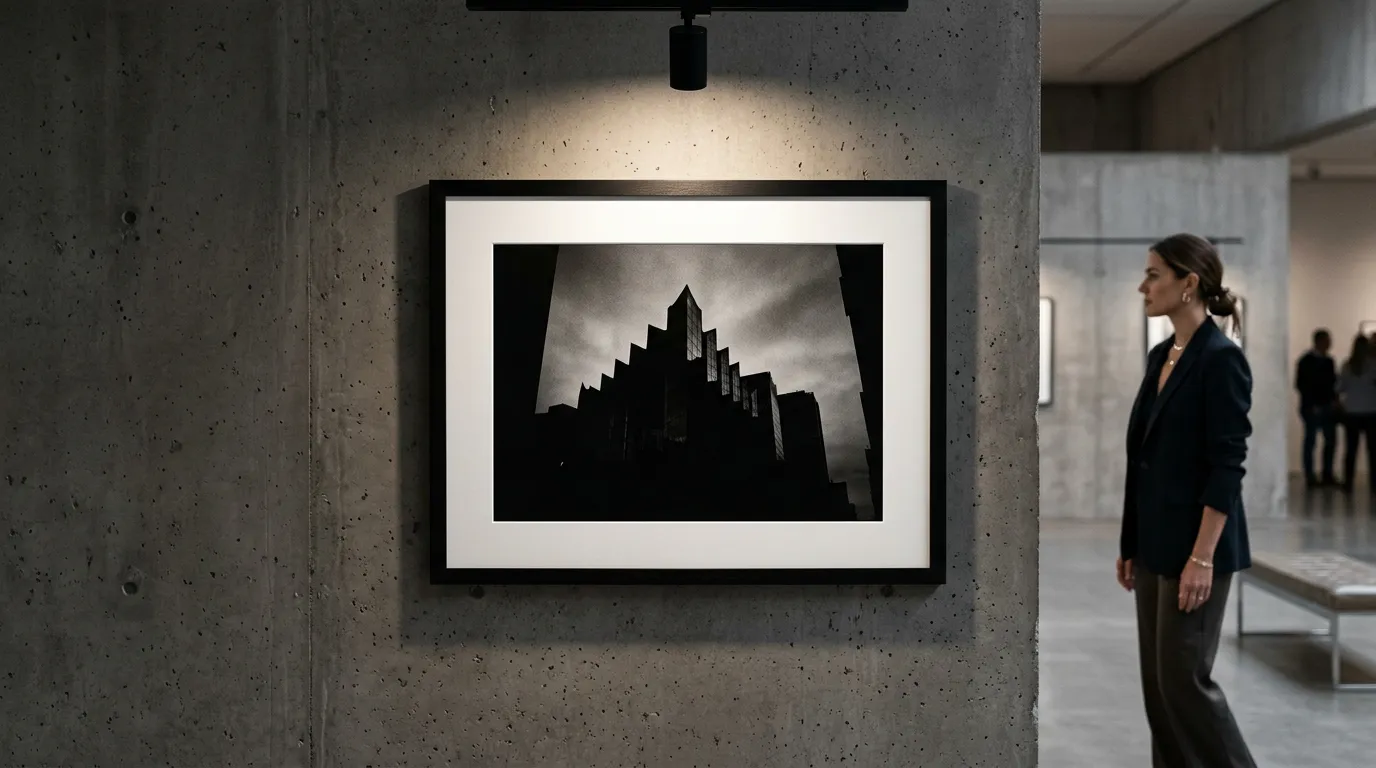
Beyond the romantic subculture and chemical history, this monochrome movement serves an essential role in premium interior architecture. The organic grain structure inherent to silver film negatives produces an incredible visual texture, offering a strong geometric anchor for modern minimalist walls.
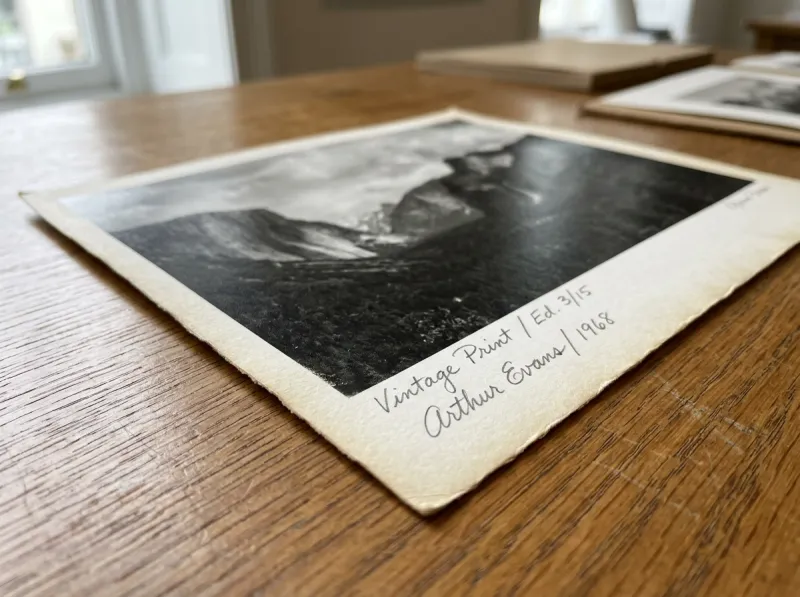
Photo source by Alinear Indonesia Docs. (Adobe FireFly – Gemini AI)
"In a culture completely saturated by instant digital pixels, true luxury is owning an object forged slowly through chemical patience and physical time."
True fiber-based baryta papers utilized in this methodology are structurally engineered to remain inert and pristine for centuries if properly housed. Astute urban collectors recognize that this acquisition represents more than seasonal interior styling; it is a calculated investment into an enduring physical culture asset whose value appreciates as pure analog raw materials become increasingly scarce worldwide.
Vogue Culture Outlook: The Future of High-Craft Analog Portfolios
Analyzing future collection vectors indicates that the rising demand for silver-gelatin assets represents a widespread return to high-craftsmanship objects. In a world where artificial intelligence can render endless immaculate digital pictures instantly, the fine art community rewards works that command intensive physical labor, manual skill, and chronological time.
Collecting hand-developed darkroom photography is far from an act of simple nostalgia. It is a highly strategic, curated movement by an elite urban class determined to own, preserve, and showcase the history of visual expression in its most pristine, physical, and permanent form.

Photo source by Alinear Indonesia Docs. (Adobe FireFly – Gemini AI)
"A silver-gelatin print is not merely a copied image; it is an active layer of real metallic silver capturing the physical memory of light."
WRAP-UP!
The expanding urban subculture surrounding silver-gelatin print collecting confirms a sophisticated turn toward physical authenticity, material depth, and excellent museum-grade archival life. By pairing timeless black-and-white visual dynamics with the inherent scarcity of darkroom printmaking, analog fine art has successfully cemented its status as a premier cultural asset class.
New collectors entering the analog market should prioritize fiber-based prints over mass-market resin-coated variations for museum durability, rigorously verify the artist's signature and manual print edition numbers, and invest exclusively in acid-free museum matting to protect the silver emulsion layer from atmospheric oxidation over time.
Looking to feature your brand and business through Alinear Indonesia’s Smart Publication & Smart Activation? Share your experience and consult with us today. Click here!