

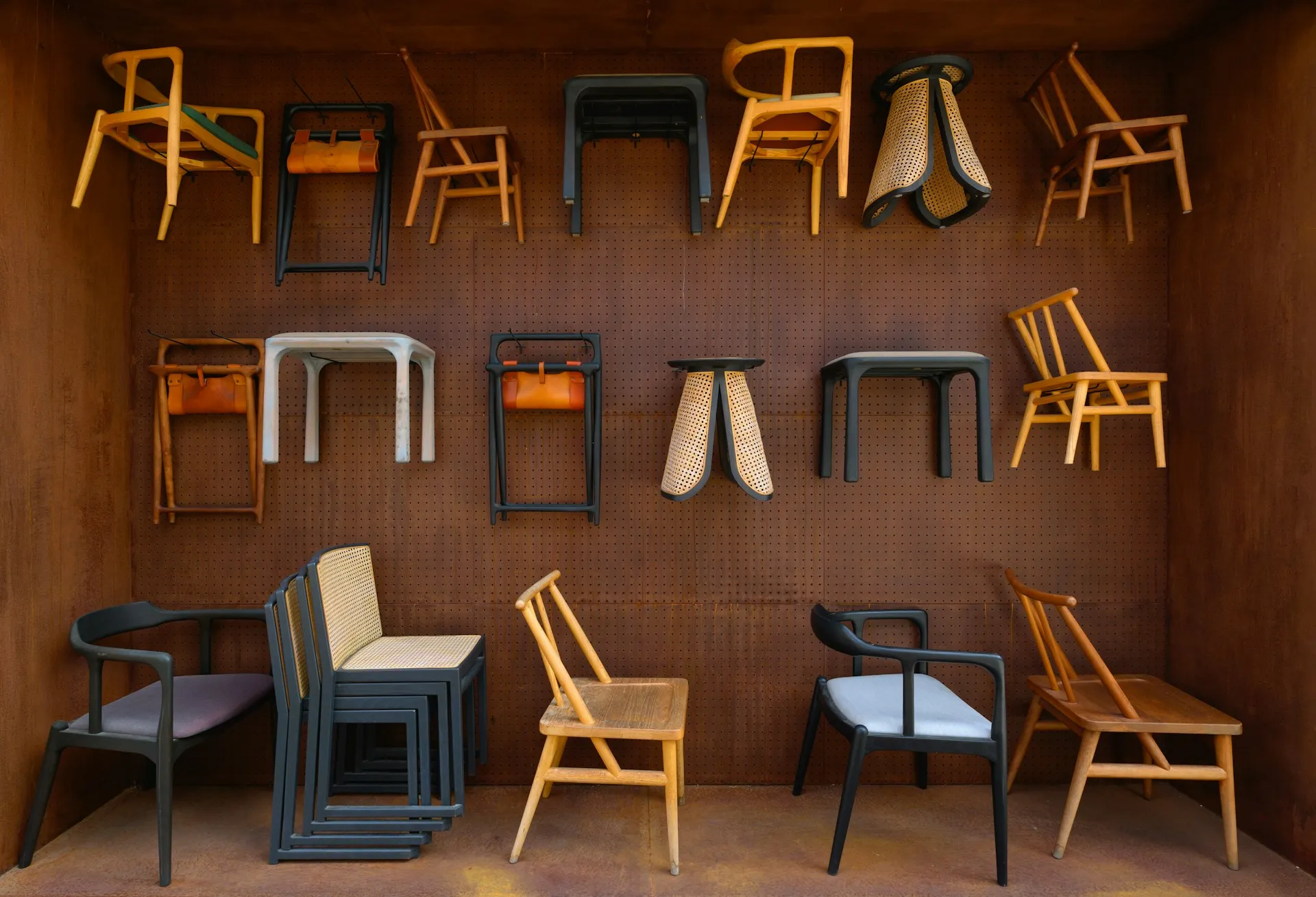

Photo by Declan Sun on Unsplash
Current interior design movements are highlighting a major shift toward historical appreciation, defined by a growing interest in Restored Mid-Century Furniture. At the center of this movement is a specialized focus on hunting authentic Kursi Jengki—a distinctly Indonesian furniture style that emerged between the 1950s and 1960s as a bold creative break from rigid colonial design conventions.
Characterized by their signature outward-slanted tapered legs, dynamic angular backrests, and heavy use of solid teak (kayu jati) or rosewood (sonokeling), these chairs have transitioned from forgotten domestic items into highly prized collectibles. Urban design enthusiasts are increasingly positioning them as core statement pieces within contemporary living rooms, using their sculptural silhouettes to break up the sterile lines of modern minimalist architecture.
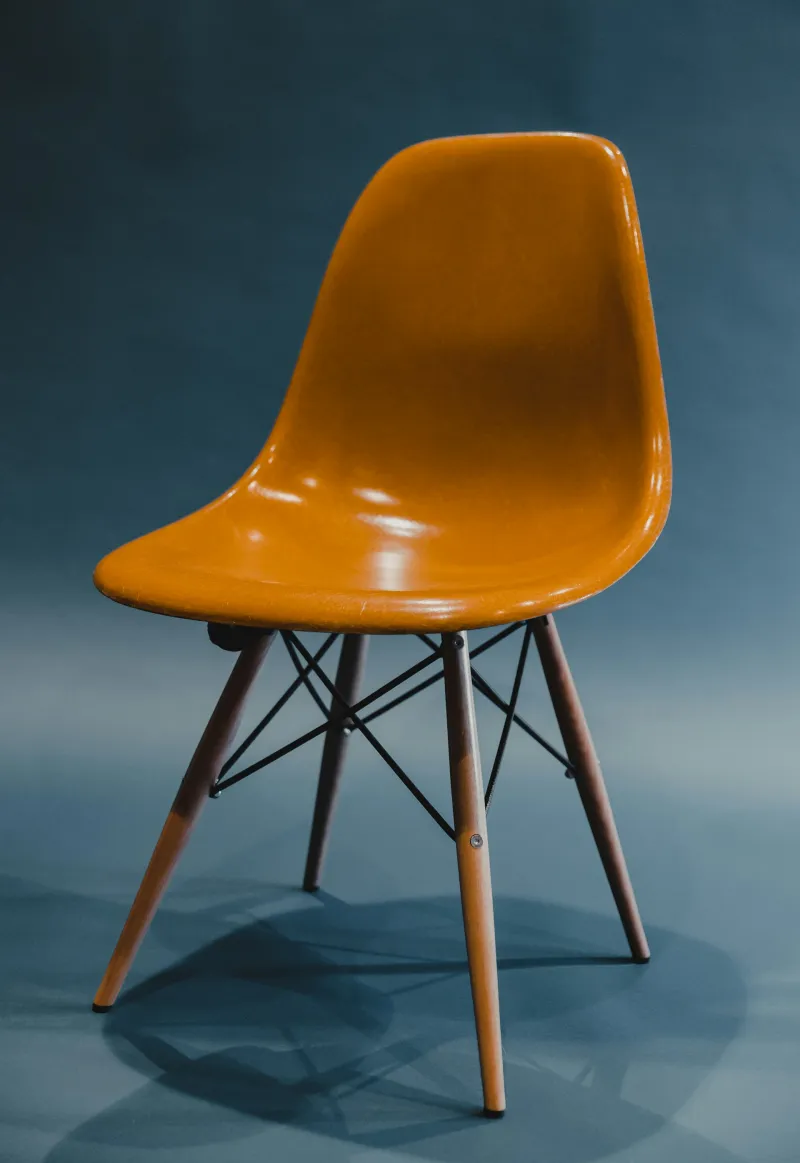
Photo by Jake Nackos on Unsplash
The Meticulous Craft of Patina Preservation
The value of an authentic mid-century collectible relies entirely on the quality of its structural preservation. Sourcing an original Kursi Jengki is merely the initial phase; the definitive transformation happens during a highly specialized, non-invasive restoration process that respects the material's historical narrative.
True restoration rejects thick, artificial synthetic varnishes in favor of heritage conservation techniques. This process involves carefully removing compromised old upholstery layers, reinforcing traditional interlocking wooden joinery (pasak kayu) without using modern metal screws, and finishing the raw timber with premium natural oils. This methodology successfully stabilizes the structural integrity of the wood and restores its deep grain visibility, ensuring the piece retains its prized historical patina rather than looking like a generic factory reproduction.
Circular Consumption and Cultural Continuity
Investing in premium restored furniture represents a conscious choice that extends far beyond simple aesthetics; it serves as a vote for circular consumption models. By reclaiming and repairing mid-century objects, collectors actively interrupt the unsustainable cycle of mass-produced, low-grade furniture built from composite materials designed for short lifecycles.
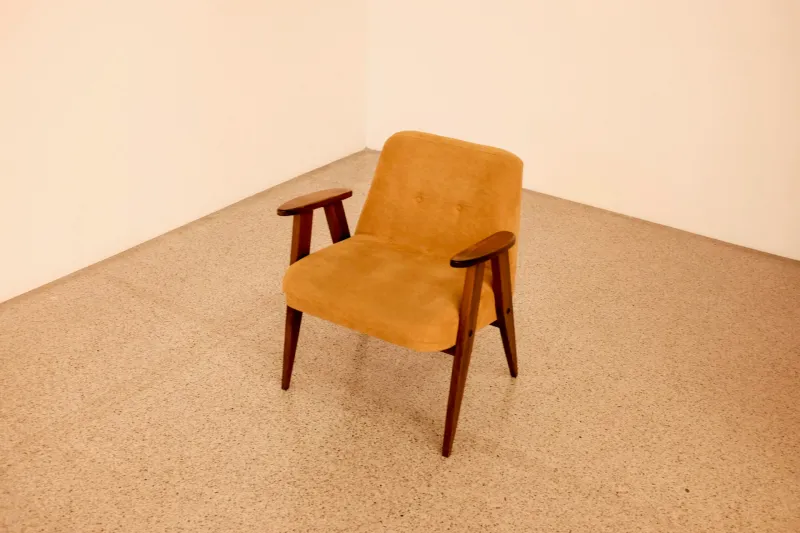
Photo by Lukas Juhas on Unsplash
This yearning for retro architectural lines and historical furniture conservation carries a cultural mindset that aligns perfectly with urban preservation initiatives, such as [Revitalizing an Old Warehouse into a Creative Hub]. Both movements share a core philosophy: honoring heritage design by updating its utility for modern spaces. Displaying a restored Kursi Jengki reinforces the idea that historic local design possess a timeless structural honesty capable of anchoring modern living spaces.
"The Kursi Jengki is far more than a vintage seat from a bygone era; it is a micro-architectural manifesto proving that honest, localized design can cross generations while remaining effortlessly elegant."
Architectural Manifestos for the Modern Home
Integrating heritage design elements into a modern layout bridges historical artisan craft with forward-thinking interior aesthetics.
"True luxury is not found in flawless factory replicas, but in the enduring grain of restored old-growth teak that has quietly witnessed history."
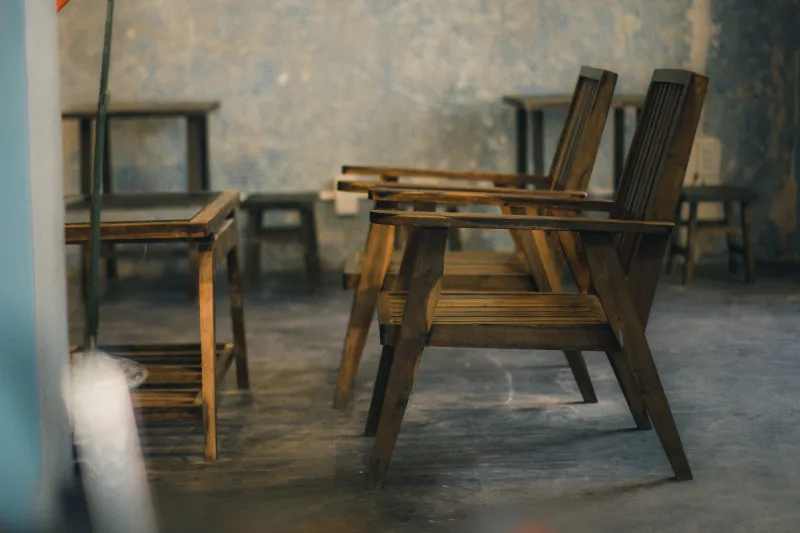
Photo by Taan Huyn on Unsplash
WRAP-UP!
The rediscovery of the Kursi Jengki confirms that mid-century Indonesian design holds a permanent place in the global interior landscape. Through careful, sustainable restoration practices, these solid teak pieces offer collectors an ideal blend of historical character, structural durability, and sculptural beauty. Ultimately, adopting restored furniture is a powerful way to celebrate local design heritage while practicing a circular, eco-conscious lifestyle that values quality over disposable trends.
For interior architects, design collectors, and modern homeowners looking to incorporate authentic neo-vintage elements, start by connecting with verified vintage pickers and specialized furniture restorers. Evaluate potential pieces by examining the underside joinery to verify original wooden peg construction and solid teak authenticity over veneer. Opt for natural oil finishes to safeguard the wood's longevity, and pair the completed chair alongside clean, minimalist elements to let its historic silhouette serve as the primary visual anchor of your room.
Looking to feature your brand and business through Alinear Indonesia’s Smart Publication & Smart Activation? Share your experience and consult with us today. Click here!




![Alinear Indonesia [Brand/Business Registration] Smart Publication & Smart Activation](https://www.alinear.sr-digital.biz/assets_web/images/qr-codes/3e23e7dab43d2e72854ba48a3a09cf75.jpg)