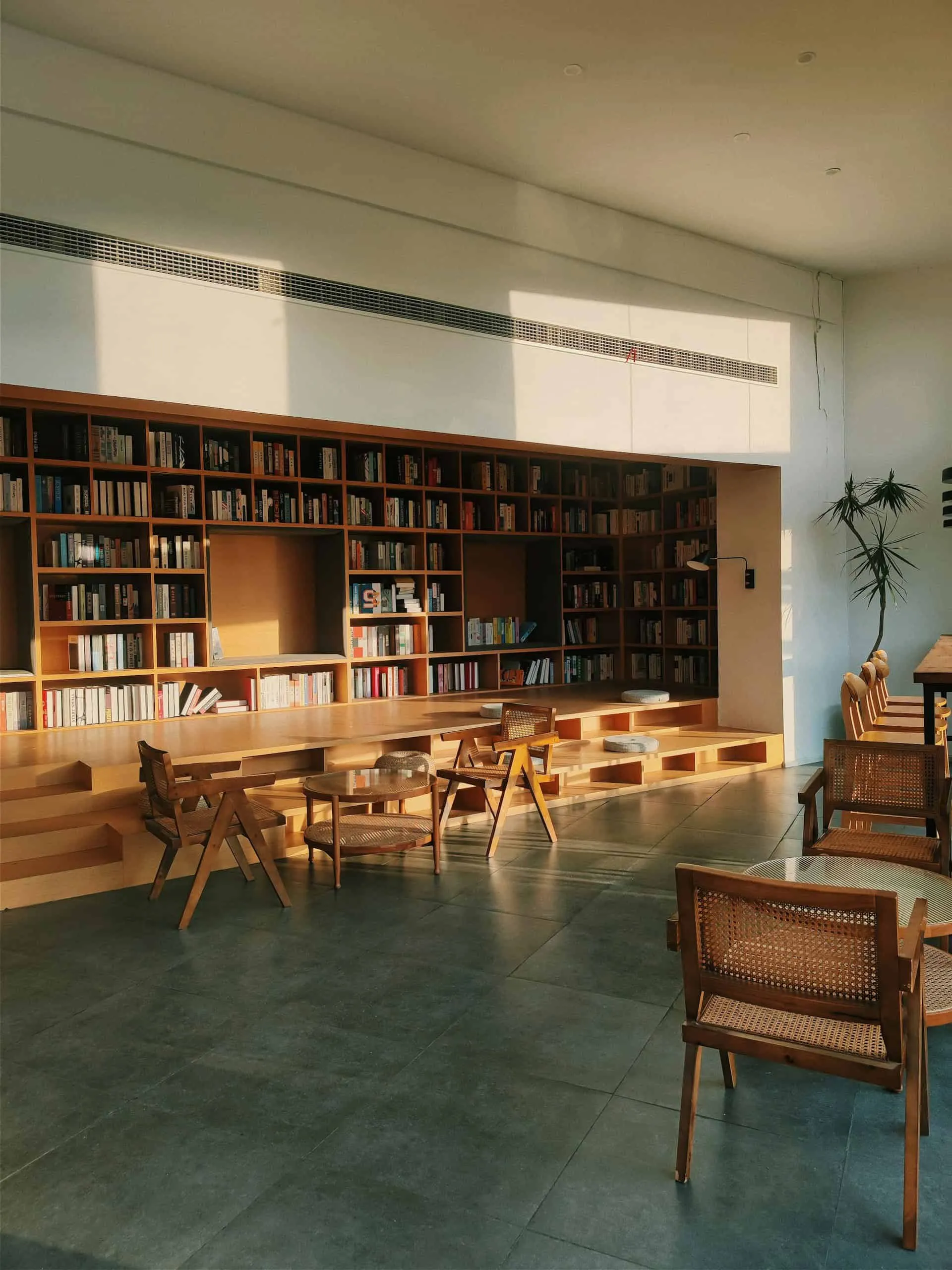

Photo by George Dagerotip on Unsplash
The Dynamics of Urban Agility
With the permanence of hybrid work, a heightened focus on holistic wellness, and the increasing scarcity of urban land, the demand for adaptive living spaces has become critical. The modern home is no longer a collection of static, single-purpose rooms; every square meter must perform double—or triple—duty.
The concept of the Multi-Functional Room, powered by modular design and transformable furniture, is the intelligent solution to maximizing utility without sacrificing a sense of openness. It is a space that functions as a focused executive office in the morning, evolves into a serene yoga studio by afternoon, and transitions into a sophisticated guest lounge by evening.
This adaptive approach is the physical manifestation of Mindful Living, where your environment actively recalibrates to support your changing priorities throughout the day.
The Philosophy of Modular Fluidity – Adaptive design focuses on potential rather than physical boundaries.
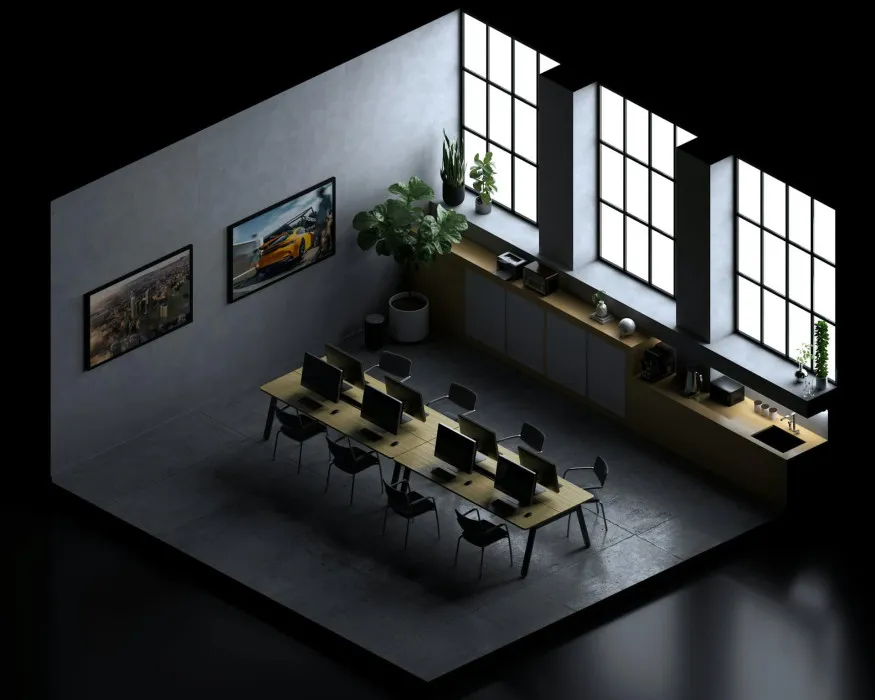
Photo by taufiq triadi on Unsplash
1. Vertical Spatial Optimization
Modular systems reclaim the often-neglected vertical plane. Built-in shelving and adjustable storage units allow you to conceal clutter while maintaining a sharp, minimalist aesthetic.
2. Zoning Through Flexible Boundaries
In an open-plan layout, functional separation is achieved through visual cues rather than permanent walls. Sliding partitions, double-sided open bookshelves, or lightweight screens (crafted from wood or bamboo) offer privacy on demand.
3. Seamless Transitions
The hallmark of superior transformable furniture is the ease of transition. Whether it’s a dining table that folds into a slim wall console or a sofa that converts into a premium guest bed, the mechanism must be effortless—enabling a complete room metamorphosis in seconds.
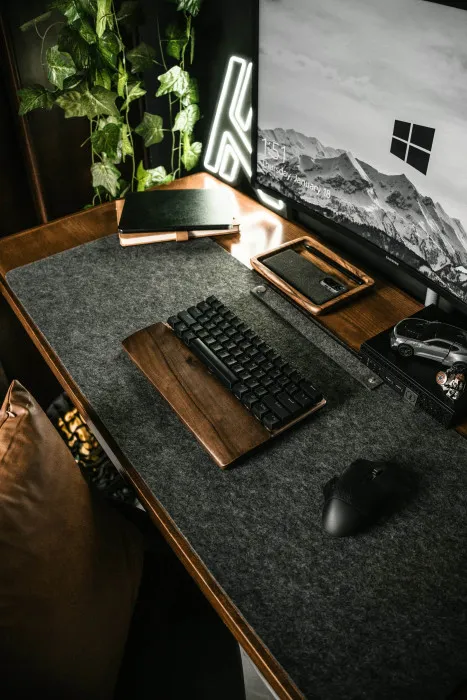
Core Elements for the Adaptive Interior – Key components required to curate a high-performance multi-functional space.
•• Convertible Workstations: Desks that fold flush against the wall or height-adjustable surfaces that transition from a professional standing desk to a low-profile coffee table.
•• Mobility via Caster Wheels: Utilizing hidden casters on armchairs, side tables, or storage units allows for rapid layout reconfiguration—instantly clearing the floor for meditation or social gatherings.
•• Activity-Specific Smart Lighting: Intelligent lighting systems that adjust intensity and color temperature to reflect the room’s current utility: crisp, invigorating white for deep work, and soft, amber hues for evening decompression.
•• Discrete Integrated Storage: Storage must be invisible and omnipresent—integrated beneath bed frames, inside ottomans, or as window-side cabinetry—to eliminate visual noise during functional transitions.

Photo by Marcel Strauß on Unsplash
Materiality and Local Modularism – Integrating organic textures into high-tech modularity.
1. Artisanal Rattan Partitions
Utilizing local rattan or bamboo screens provides a weightless, breathable texture (aligning with the Japandi aesthetic) that is easily moved to create temporary zones.
2. High-Strength Lightweight Woods
For transformable units, the use of lightweight yet durable timber ensures that furniture can be easily manipulated by a single person, enhancing the room's agility.
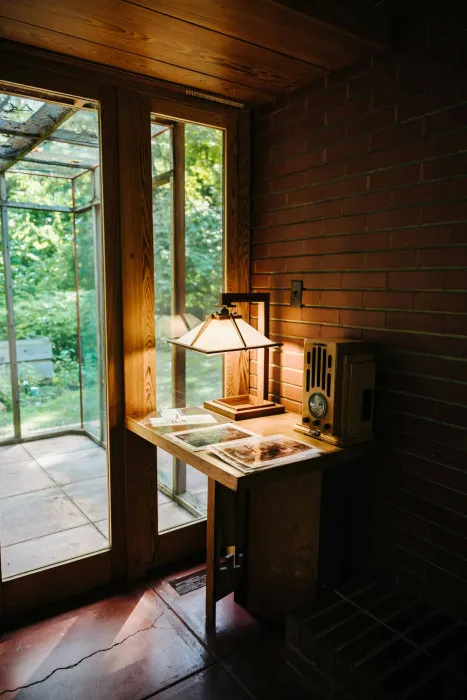
Photo by Peter Thomas on Unsplash
WRAP-UP! – Design That Embraces Your Lifestyle
The Multi-Functional Room is the intelligent architectural response to the challenges of modern living. It is about removing the sense of sacrifice and finding joy in flexibility.
By investing in modular furniture and adaptive design, you aren't just saving space; you are engineering an environment that supports every facet of your modern life—from a high-velocity career to personal soul-searching.
What dual-purpose synergy does your living space need most right now (e.g., Home Office + Yoga Studio)?
"Luxury in the modern city is no longer measured by square footage, but by spatial potential. Modular design allows you to possess three rooms within a single footprint, without ever needing to move."



![Alinear Indonesia [Brand/Business Registration] Smart Publication & Smart Activation](https://www.alinear.sr-digital.biz/assets_web/images/qr-codes/3e23e7dab43d2e72854ba48a3a09cf75.jpg)