

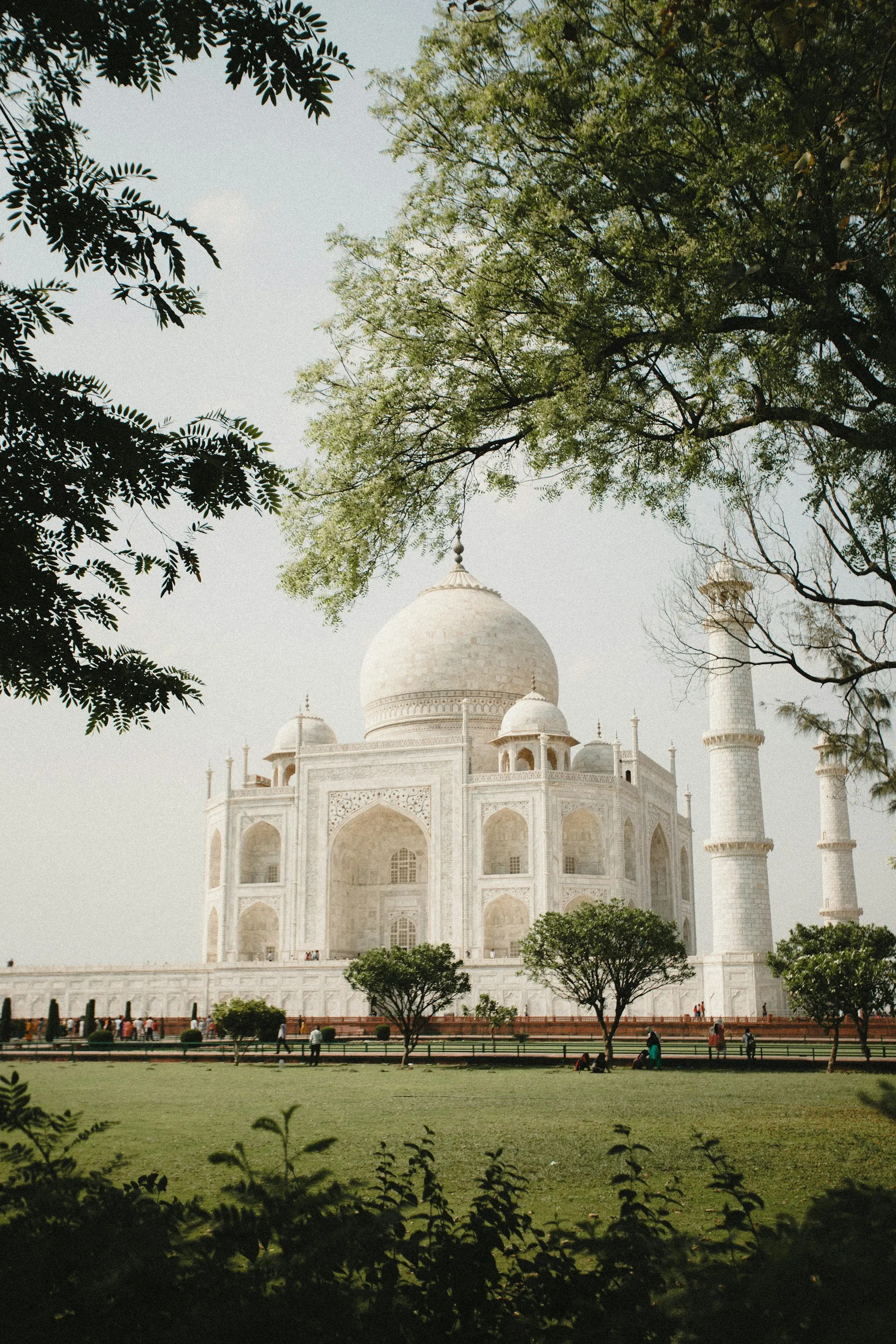

Photo by Hanan Edwards on Unsplash
The trend in urban travel is shifting toward a more intimate and profound direction through a phenomenon known as Micro-Anthro Tourism (micro-anthropological travel). Instead of crowding large-scale modern destinations, curated travelers are increasingly seeking out living spatial narratives within historic urban enclaves. Exploration within this cultural corridor offers a unique experience of traversing time, observing how traditions, architecture, and social structures that have spanned generations remain organically preserved amidst the forces of modernization.
This approach focuses on deep interaction with spaces that often escape the maps of mainstream tourism. For lovers of urban adventure, understanding these hidden layers of culture provides a fresh perspective on how a community's identity can endure and adapt without losing its historical roots.
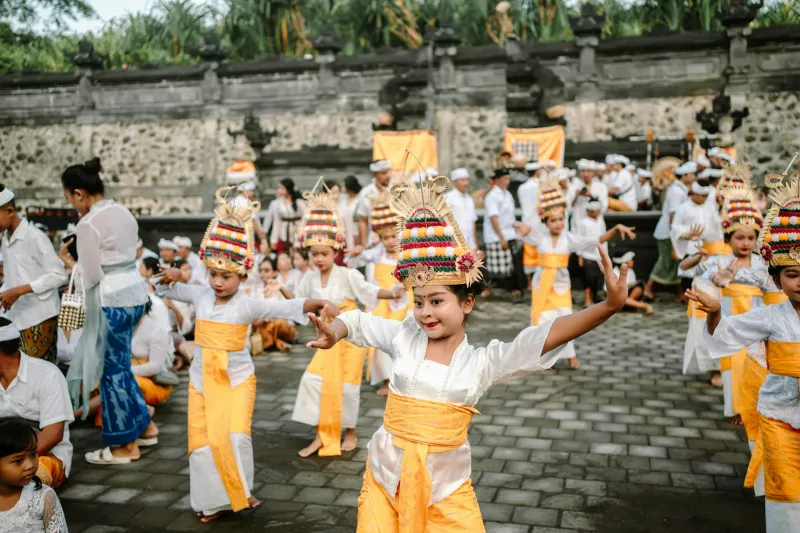
Photo by Eyestetix Studio on Unsplash
Living Hybrid Architecture: Documenting Structures That Endure
The primary focus of micro-anthropological exploration is observing massive wooden stilt houses that blend local vernacular aesthetics, exterior colonial influences, and distinct internal spatial layouts tailored to the socio-cultural needs of their inhabitants. The most fascinating characteristic of these buildings lies in their status as living structures rather than dead museums.
These physical structures are active residences maintained consistently by the fifth or sixth generation of the same lineage. Exploring these architectural corridors allows observers to see firsthand how ancient timber, intricate carvings, and the organization of domestic space act as a living historical archive, reflecting the peaceful cultural acculturation that occurred in the past.
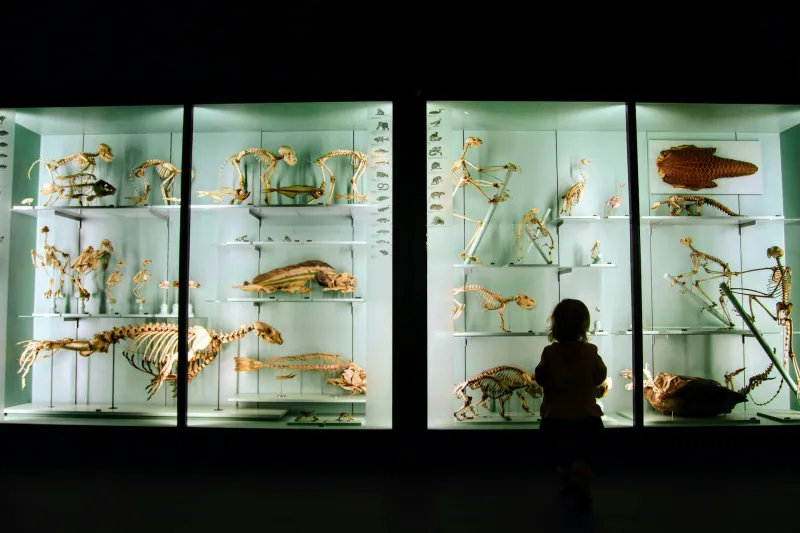
Photo by Simon Infanger on Unsplash
The Geography of Social Space: Blurring the Boundaries of Public and Private
Walking through the narrow alleys within a historic settlement offers a transparent view of how public and private spaces merge harmoniously. The spatial design of these traditional neighborhoods frequently positions communal living spaces on open verandas.
It is on these verandas that community elders and local residents gather to interact, creating a tangible representation of a social structure that places mutual interaction and the welcoming of guests as foundational values. A spatial geography of this nature demonstrates that environmental architecture functions not merely as physical shelter, but rather as a social bridge that reinforces cohesion and solidarity among residents.
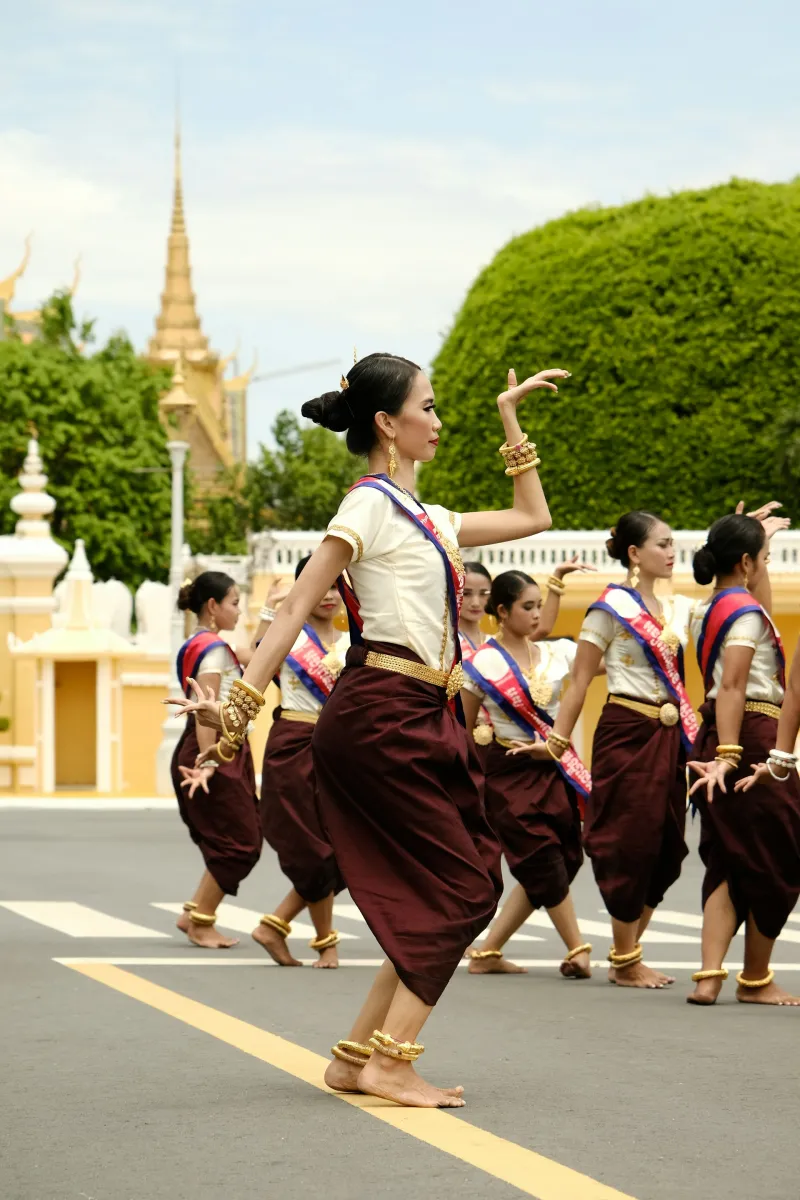
Photo by Siborey Sean on Unsplash
The Curation of Domestic Flavors: Preserving Non-Commercial Culinary Heritage
An inseparable part of this anthropological journey is the appreciation of traditional cuisine cooked based on ancient family recipes, which are intentionally kept from mass commercialization on online delivery platforms. These dishes are prepared using conventional methods that safeguard the authenticity of their flavor profiles.
"True exploration is not about discovering new landscapes, but about viewing old spaces through a clearer cultural lens."
Enjoying a serving of spiced coffee infused with warm aromatic cardamom alongside authentic, seasoned rice dishes within the atmosphere of a classically designed home delivers a profound cultural sensory experience. These domestic culinary practices serve as an element of identity preservation, where every aroma and flavor carries a historical narrative of migration, trade, and taste adaptation that has unfolded over centuries.
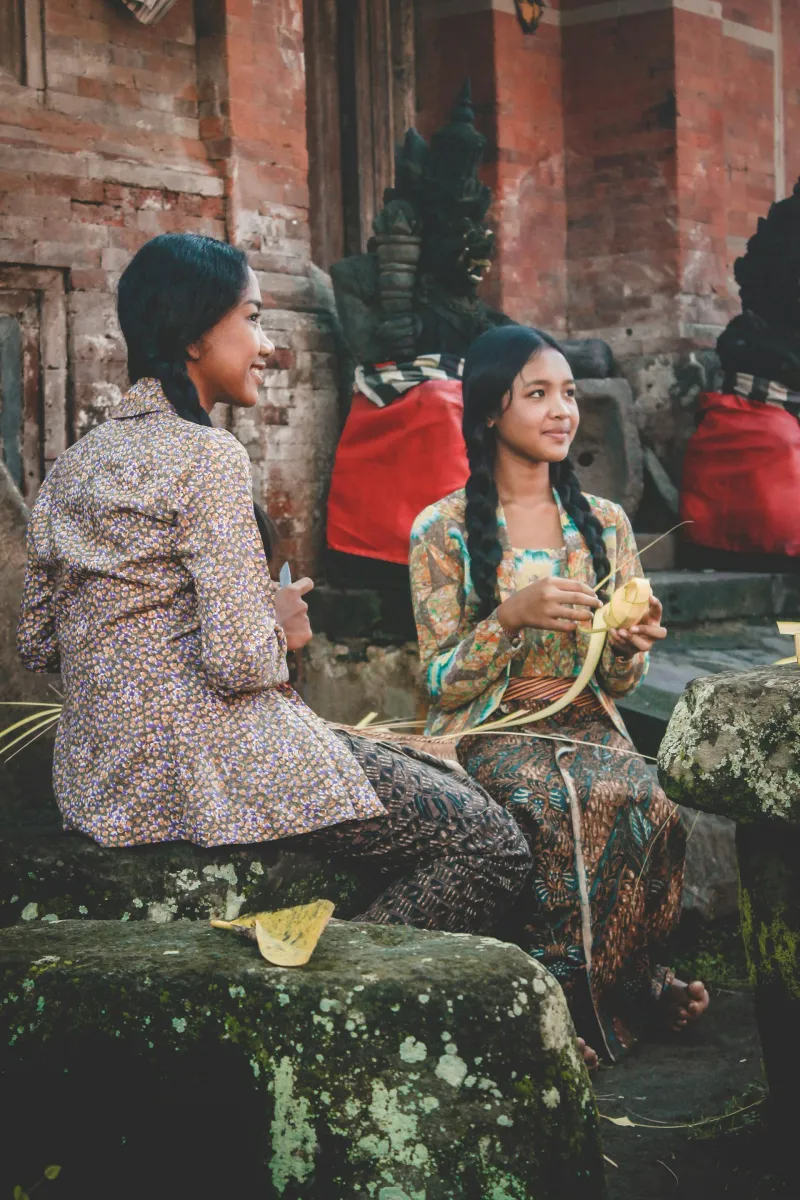
Photo by Cok Wisnu on Unsplash
Three Tactical Approaches to Navigating Micro-Anthropological Tourism
To transform these historical spaces into a structured anthropological learning map for travelers, there are three tactical approaches that can be implemented independently or by local community drivers:
–– Adopt a Pedestrian Exploration Lens (Slow Travel)
The beauty of micro-narratives cannot be captured from behind the glass of a high-speed vehicle. Navigating narrow alleys on foot allows the senses to catch small details—from the aroma of home cooking and the sound of residents chatting on verandas, to the fine joinery of historical timber architecture.
–– Map Spaces Through Visual Documentation and Cultural Journals
Appreciation for hybrid architecture and communal spaces deepens when translated into travel journals or visual sketches. By mapping these hybrid elements, an urban traveler actively trains their cognitive sensitivity to respect the material history laid out before them.
–– Build Dialogues That Respect Community Privacy
Micro-anthro tourism positions people as primary subjects, not objects of display. Initiating light dialogues with locals regarding the oral history of their homes must be conducted with a respectful attitude, without violating the boundaries of domestic privacy that anchor their daily comfort.
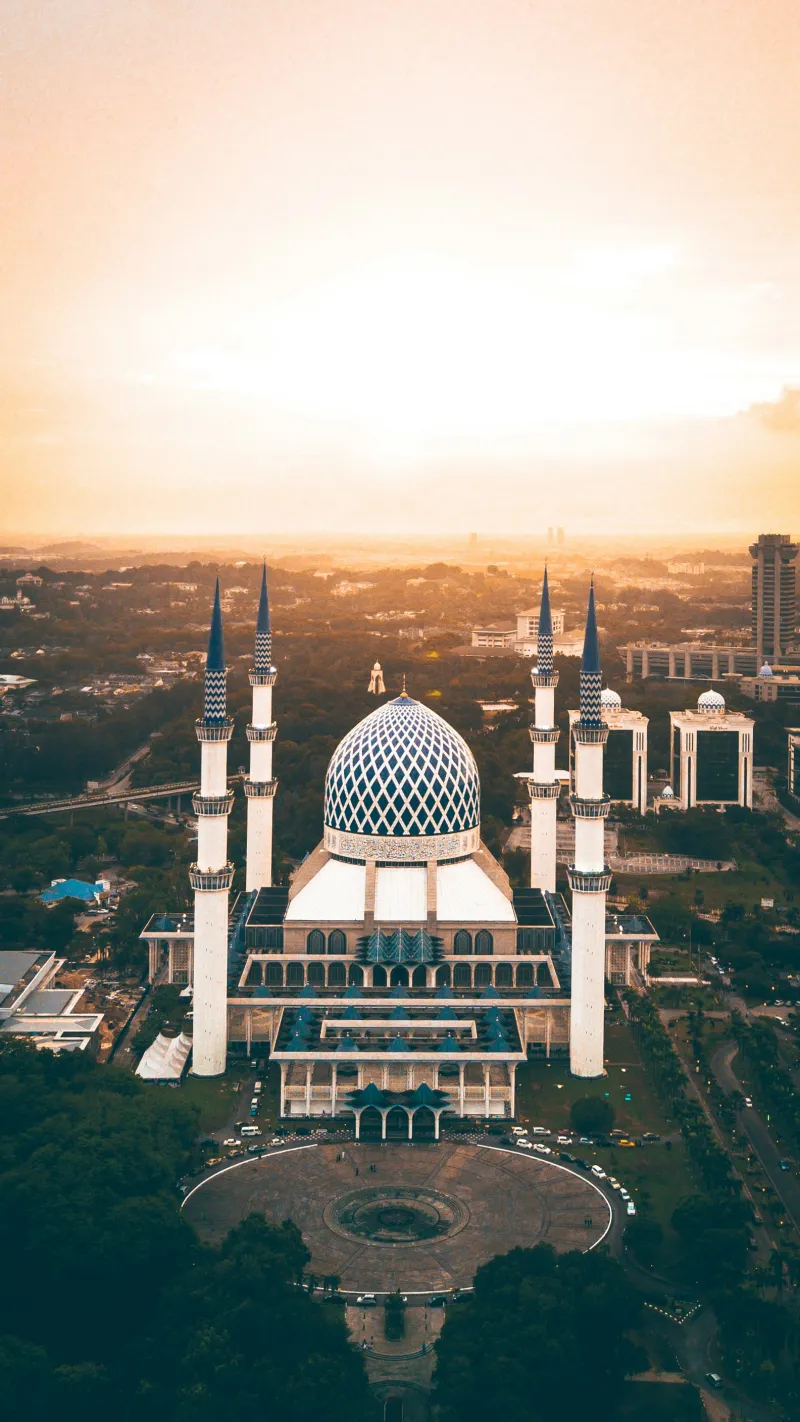
Photo by Fahrul Azmi on Unsplash
"When a house remains inhabited by the same lineage across generations, architecture ceases to be mere shelter and becomes a living heirloom."
WRAP-UP!
Micro-Anthro Tourism demonstrates that the greatest appeal of an urban space lies not in its physical grandiosity, but in the intimacy of the human narratives within it. Through the observation of hybrid architecture, interactions in communal spaces, and the preservation of flavor in domestic kitchens, explorers can understand the essence of cultural resilience operating organically amidst modern dynamics [Cultural Immersion].
An initial step of exploration can begin by identifying historical residential pockets within your surrounding urban environments. During a visit, prioritize walking or utilizing eco-friendly modes of transportation to respect the local rhythm of life, and initiate light conversations with residents to understand the oral histories that keep the space alive.
Looking to feature your brand and business through Alinear Indonesia’s Smart Publication & Smart Activation? Share your experience and consult with us today. Click here!



![Alinear Indonesia [Brand/Business Registration] Smart Publication & Smart Activation](https://www.alinear.sr-digital.biz/assets_web/images/qr-codes/3e23e7dab43d2e72854ba48a3a09cf75.jpg)