



The rapid adoption of artificial intelligence in the modern professional landscape frequently traps organizations into prioritizing technical training alone (hard skills). However, business leaders across urban corporate hubs are beginning to recognize a massive systemic deficit among emerging professionals: the loss of intangible skills such as business intuition, elite negotiation etiquette, and the ability to read the unspoken dynamics of a boardroom.
To bridge this expanding chasm, the concept of Mentorship Evolution steps forward, reviving traditional apprenticeship frameworks anchored in long-term, direct professional relationships. When technical execution can be easily automated by intelligent systems, interpersonal intelligence and situational sharpness become the ultimate differentiators determining a professional's value in the global market.
Strategies for Building a Modern Traditional Apprenticeship Ecosystem
Successfully transferring highly abstract capabilities demands a non-traditional educational structure that transcends standard classroom formats. Three tactical strategies can be deployed by forward-thinking organizations to bring back the true essence of traditional apprenticeship.

Photo by Vitaly Gariev on Unsplash
–– The Shadowing Method in High-Stakes Decision-Making
The most effective method for transferring abstract expertise is through immersive shadowing. Allow high-potential junior talent into critical executive meetings not to act as note-takers, but as entirely passive observers. Directly witnessing how a senior executive manages conflict, exercises emotional restraint, or pivots a stalled negotiation provides empirical lessons that no digital training module can replicate.
–– Reflective Dialogue Post-Meeting
A successful traditional apprenticeship model thrives on casual, bi-directional evaluations. Carve out a brief window immediately following a major meeting to deconstruct the event with your junior talent. Inquire about what they captured from the room's behavioral dynamics, then pull back the curtain on the strategic rationale behind your executive decisions. This active reflection incrementally sharpens their business instincts.
–– Cultivating a Culture of Long-Term Trust
The deep evolution of a mentor-mentee relationship demands a genuine commitment of time from C-suite and upper management. Organizations that successfully embed this architecture create an incredibly powerful anchor for talent retention. Junior employees no longer view themselves as mere operational line-workers; instead, they feel meticulously prepared as the rightful successors to the corporate leadership baton.
Business Intuition: Why Digital Modules Fall Short
Many corporate entities mistakenly assume that leadership competencies can be neatly unbundled into on-demand video courses or brief e-learning modules. Subtle micro-skills—such as recognizing an adversary's shifting body language, calculating the exact psychological moment to lower a bid, or parsing the unvoiced tensions vibrating in a room—can only be absorbed through direct, recurring exposure to real-world scenarios.
This situational intelligence is fundamentally non-linear, relying heavily on cultural context and fluid human psychology. Through the constant proximity offered by a traditional apprenticeship ecosystem, junior professionals subconsciously internalize the mindset, communication tempos, and mental resilience of their mentors when confronting genuine corporate crises.

Photo by Ben Spray on Unsplash
Mentorship Protocols for Senior Executives
Stepping into a bimbingan role within the Mentorship Evolution framework requires a fundamental shift in perspective for senior executives. Mentors must step away from acting as rigid task overseers and embrace the role of experience facilitators. When integrating junior talent into strategic initiatives, provide them with a psychologically safe environment to observe without the crushing weight of immediate operational performance pressures.
A vital protocol to maintain is cognitive transparency; a mentor must be entirely willing to break down the mechanics behind difficult executive calls, including detailing past missteps that shaped their current corporate wisdom. This open channel accelerates the professional maturity of the mentee.
"Technology can replicate systems perfectly, but it will never duplicate how a seasoned leader builds trust and wins a high-stakes boardroom."
Three Frameworks for Measuring the Success of Non-Technical Knowledge Transfer
To track the return on investment of time and energy poured into these guidance initiatives, management can evaluate three developmental indicators:
•• Analytical Sharpness Under Pressure
Emerging talent demonstrates the capacity to avoid panic during disruptions, delivering rational, structured solutions that account for long-term organizational risks rather than just short-term fixes.
•• Autonomy in Managing Low-to-Mid Tier Negotiations
Mentees begin to accurately read the hidden agendas of third parties, executing persuasive communication strategies without requiring constant, direct hand-holding from senior leaders.
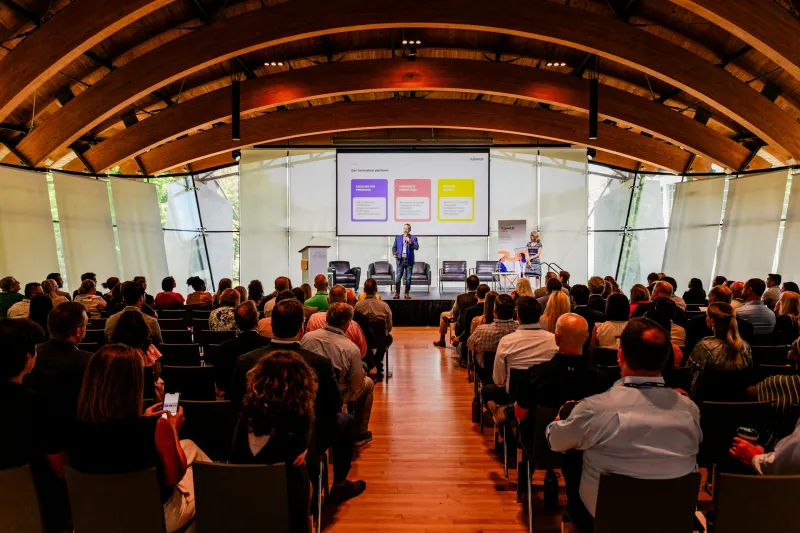
Photo by Kari Bjorn Photography on Unsplash
•• Internal Retention and Loyalty of High-Potential Talent
A measurable drop in voluntary turnover rates across business units practicing this ecosystem, paired with a heightened sense of ownership regarding the firm's future succession plan.
"The finest investment a corporation can make is not the fastest software update, but the deliberate hours an executive dedicates to shaping the soul of their successor."
WRAP-UP!
The rise of the Mentorship Evolution movement reaffirms that the foundational bedrock of business remains deeply human. By reintegrating traditional apprenticeship mechanics that prioritize proximity, direct observation, and reflective dialogue, organizations do more than save endangered intangible skills; they fortify a resilient, loyal leadership pipeline ready to steer through the complexities of tomorrow's commercial landscape.
Starting next week, identify one high-potential professional within your team, invite them to attend your next high-level strategic alignment meeting as a passive observer, and dedicate a fifteen-minute block afterward to kickstart a transformative journey of knowledge transfer.
Looking to feature your brand and business through Alinear Indonesia’s Smart Publication & Smart Activation? Share your experience and consult with us today. Click here!



![Alinear Indonesia [Brand/Business Registration] Smart Publication & Smart Activation](https://www.alinear.sr-digital.biz/assets_web/images/qr-codes/3e23e7dab43d2e72854ba48a3a09cf75.jpg)