










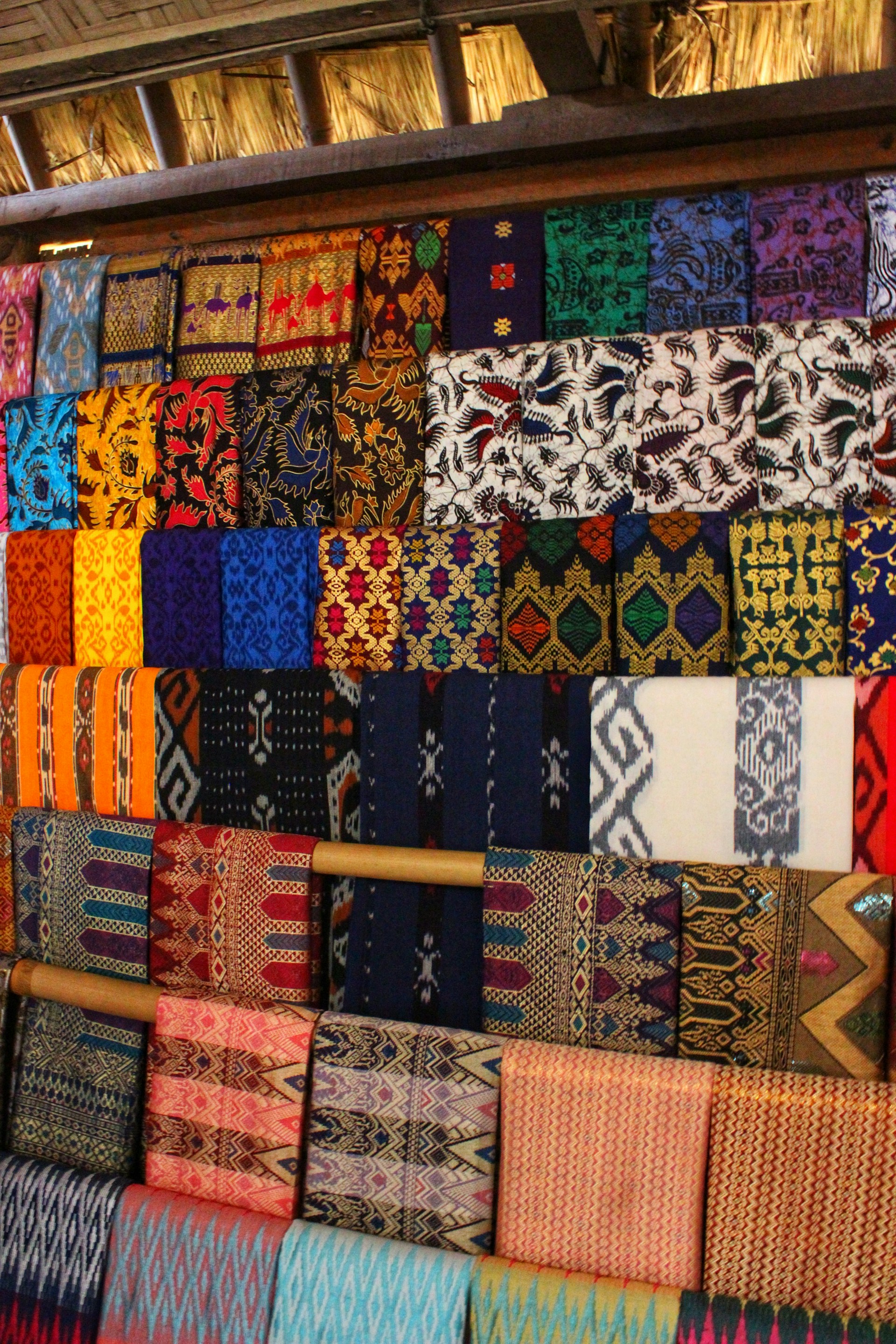
"Why traditional textiles are not merely fashion commodities, but living archives that store the history, prayers, and biological sovereignty of our ancestors."
Photo by Syaoky Zakarya on Unsplash
In the midst of the fast-paced and uniform flow of mass garment production, there exists a world that moves in a profoundly different rhythm: the world of Heritage Textiles. In various corners of the Indonesian archipelago, from the mountains of Timor to the coasts of Java, women artisans still sit faithfully behind their backstrap looms or traditional weaving machines (ATBM), uniting strand after strand of thread in a harmony of meditation. This is not just an economic activity; it is an ancient form of highly sophisticated technology. Traditional textiles are products born of absolute patience; a single piece of cloth can take months, or even years, to complete, making it the purest antithesis to the environmentally destructive culture of fast consumption.
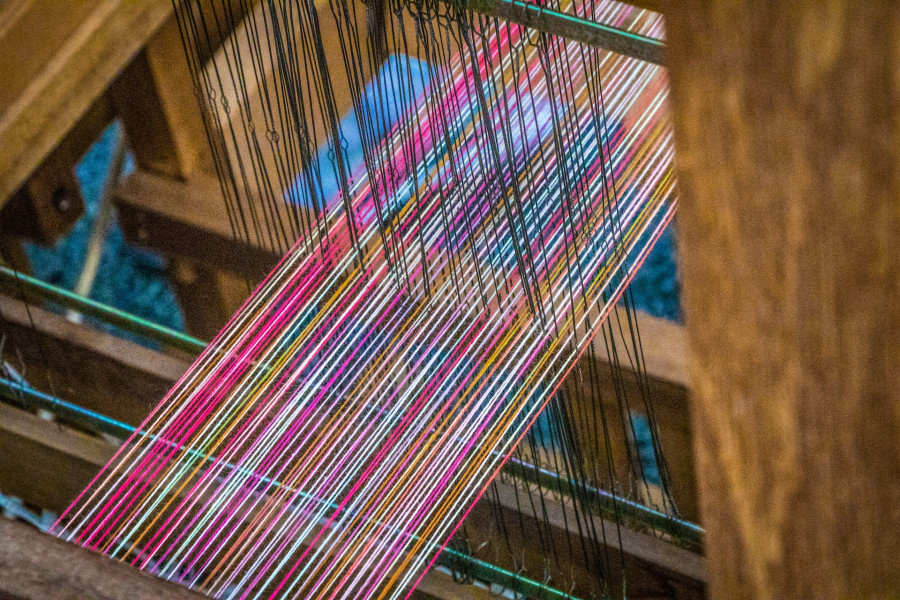
Photo by Lawrence Macaron on Unsplash
The most mesmerizing aspect of this craft is its environmental sovereignty through the use of natural dyes. Our ancestors have long understood the secrets of nature: the Indigofera tinctoria plant to produce the blue of ocean depths, sappan wood for fiery red gradations, soga bark for warm earthy browns, and noni roots for golden yellows. This dyeing process is not instantaneous; the threads must be soaked, dried, and dipped repeatedly to achieve honest pigmentation. The use of these natural dyes is evidence of biological wisdom, where every color produced does not pollute the groundwater but instead returns to nature in a balanced cycle.
"A piece of handwoven cloth is a manuscript; every thread is a sentence that tells the story of the relationship between humans and the universe."
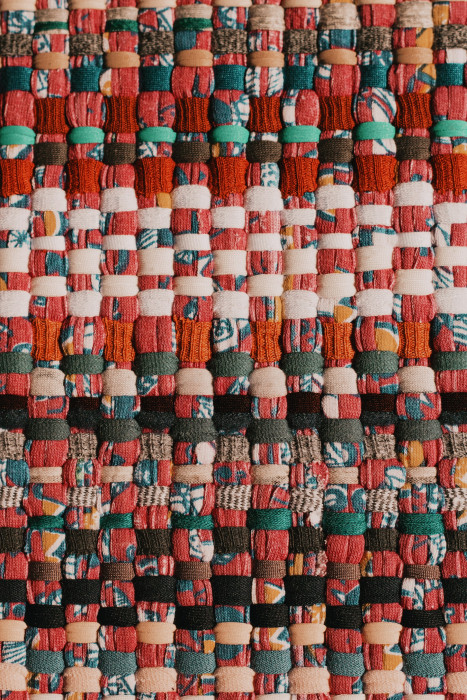
Photo by Alecsander Alves on Unsplash
Textiles as Archives and Visual Manuscripts
Technically and philosophically, every woven motif has specific rules, castes, and meanings. These motifs are often symbols of protection, prayers for fertility, or forms of respect for the forces of the universe. Understanding textiles means learning to read a visual manuscript. In every pull of the warp and weft threads, there is a mathematical precision and a geometric logic passed down orally from generation to generation. No computer print can match the human "imperfection" that actually gives life to handwoven fabrics.
In the modern era, valuing traditional fabric means valuing human time and the dignity of labor. Every piece of cloth holds an emotional and historical "weight" that cannot be replicated by any digital printing machine. When we touch the texture of a woven fabric, we are actually touching the collective memory of a tribe or community. These cloths are silent witnesses to customary rituals, births, marriages, and funeral ceremonies. It is an identity that transcends mere clothing function; it is the sovereignty of a nation’s character.
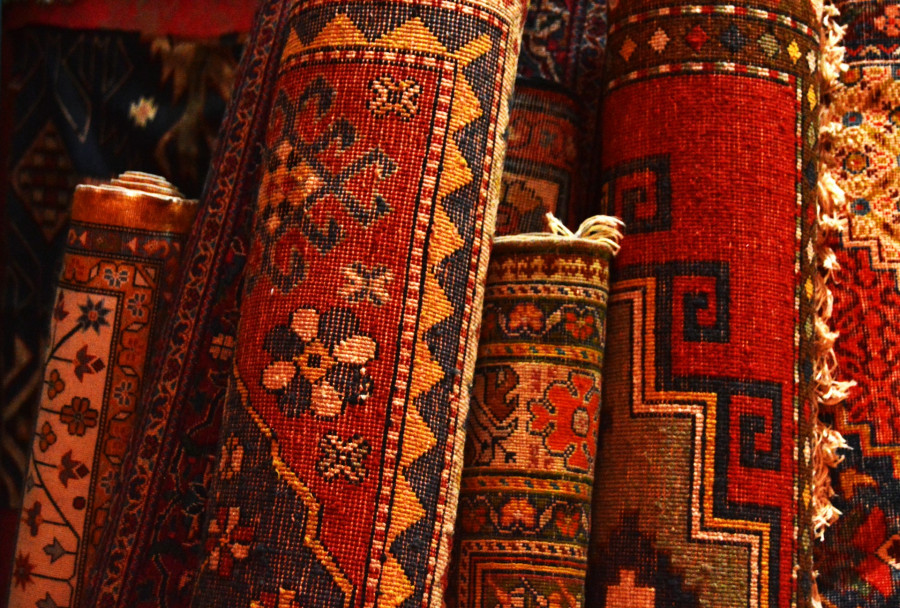
Photo by Robert Levonyan on Unsplash
Preserving the Ecosystem Behind the Threads
Preserving this heritage means protecting the entire ecosystem that surrounds it. Without a healthy and guarded forest, we lose the source of natural color pigments. Without strong indigenous communities, we lose their technical and philosophical knowledge. Wearing and collecting authentic traditional textiles is a political act to support cultural sustainability and local economies. It is an effort to reclaim our identity amidst the current of global uniformity that often forgets historical roots.
Traditional textiles are the identity we wear—a physical reminder that we are rooted in a land rich in stories and wisdom. In the hands of artisans, these threads are not just plant fibers or cotton; they are strands of memory that continue to live, breathe, and endure through space and time. Valuing these textiles is how we ensure that the voices of the past remain heard clearly in the future.
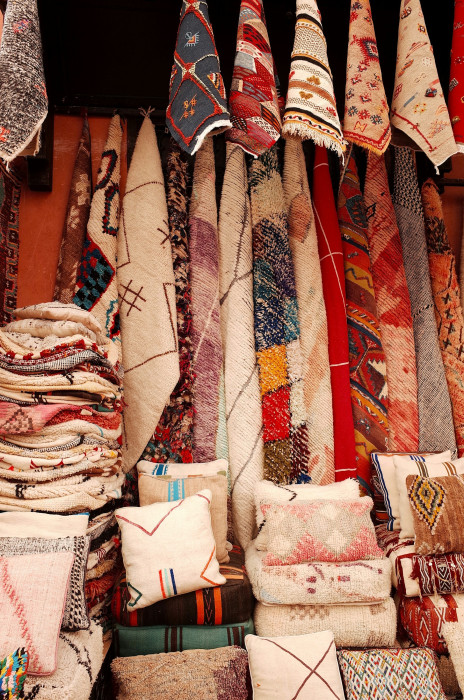
Photo by Janice Liao on Unsplash
"Wearing traditional textiles is our way of embracing history; a tribute to the hands that weave prayers into every motif."
WRAP-UP!
Traditional textiles are intellectual and aesthetic treasures that reflect the biological sovereignty and cultural grandeur of the archipelago. Start building your textile collection with honesty; buy directly from artisans or local communities. Learn the stories, the names of the motifs, and the origins of the colors, so that you are not just wearing a piece of cloth, but you are also sustaining the breath of a civilization.