

Photo by Alexey Demidov on Unsplash
Amidst a civilization that constantly dictates to us to accumulate material goods as a symbol of success, a calm yet powerful counter-current emerges: minimalism. Minimalism is not just an aesthetic trend prioritizing empty spaces or monochromatic color palettes. Deeper than that, it is an inner architecture, a conscious practice to separate the essential from the mere noise. In a world of "more," minimalism dares to offer the philosophy of "enough" as the new standard of happiness.
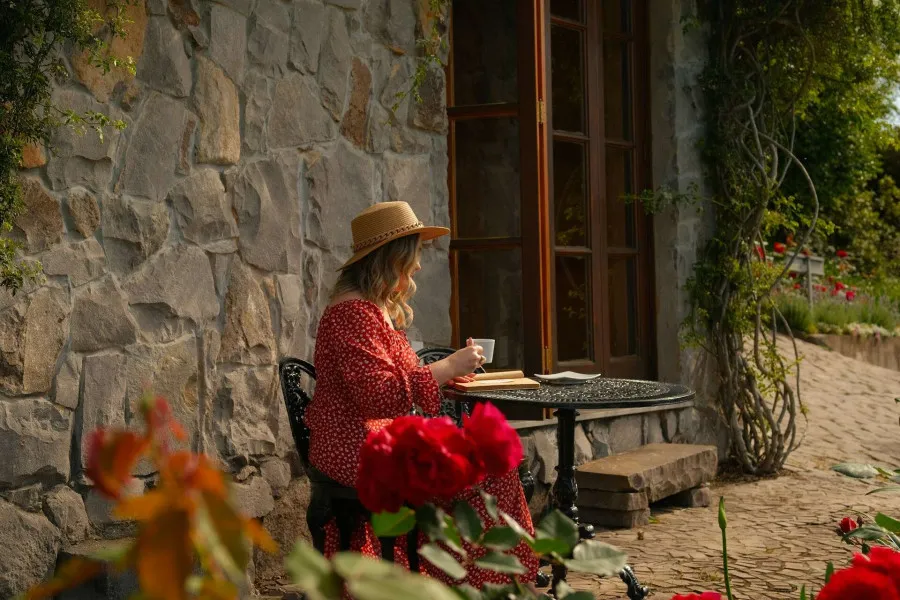
Photo by Caroline Badran on Unsplash
Why does our physical environment so significantly affect our mental state? Psychologically, every object we own is actually an "anchor" for our attention. A desk cluttered with useless papers, clothes in a closet unused for years, even devices filled with meaningless notifications—everything demands a portion of our cognitive energy. This phenomenon is often called visual clutter, which subconsciously triggers an increase in cortisol, the stress hormone. By detoxifying our space, we are actually curating our own mental load. Spaciousness grants the mind permission to wander, create, and most importantly, rest with quality.

Photo by Perry Merrity II on Unsplash
Minimalism teaches us to be strict gatekeepers of our attention. In today's attention economy, the ability to focus on one thing is the ultimate luxury. Essentialism invites us not to do many things superficially, but to do fewer things with extraordinary depth. This applies to careers, hobbies, and social interactions. We learn to say "no" to commitments that do not align with our core values, ensuring we have energy reserves for the things that truly stir our souls.

Photo by Ulises Guareschi Corvetto on Unsplash
One of the greatest paradoxes of a minimalist life is that by having less, we actually feel wealthier. This wealth is not measured by bank balances or asset counts, but by the quality of experiences. A minimalist tends to invest in things that time cannot take away: knowledge, perspective-shifting travels, and deep human relationships. They understand that the joy of buying a new object lasts only momentarily due to hedonic adaptation, while the memory of a meaningful conversation under the twilight glow will last a lifetime.

Photo by Vitaly Gariev on Unsplash
Starting a minimalist life does not have to be radical or overnight. It begins with a simple question every time we interact with an object or commitment: "Does this add value to my life? Does this help me become the best version of myself?" The process of letting go often feels heavy because humans tend to attach their identity to material things. However, when we realize that our self-worth is not determined by what we own, but by who we are and how we treat others, that is where true freedom begins. Minimalism is a journey back home to the purest self, without unnecessary extra burdens.
"Don’t let your possessions own you; release unnecessary burdens so you can go further."
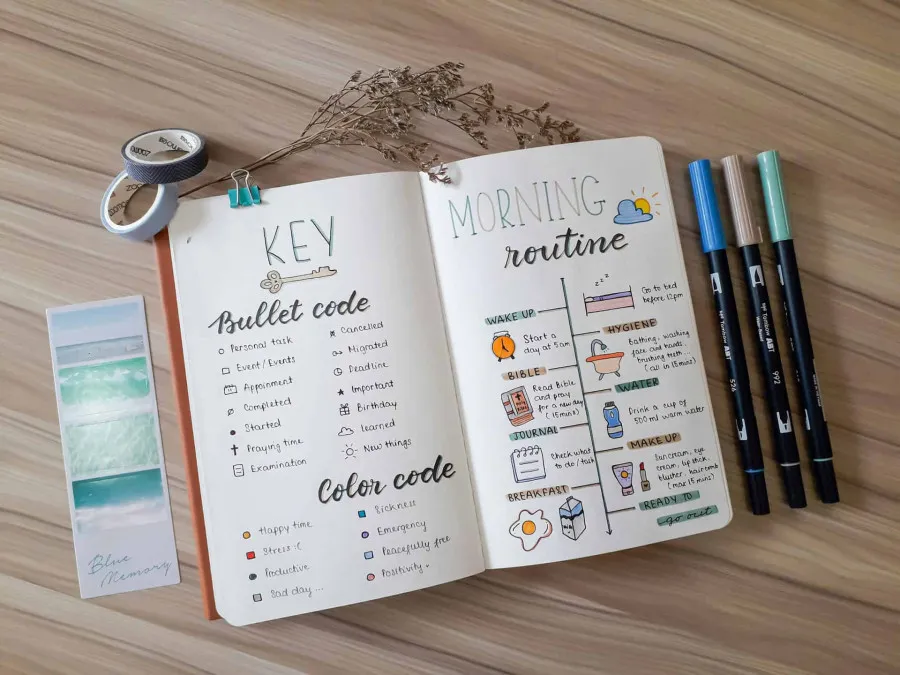
Photo by Ngo Ngoc Khai Huyen on Unsplash
WRAP-UP!
Minimalism is a tool, not the goal. The ultimate goal is freedom—freedom from stress, freedom from the sense of lack, and the freedom to live an authentic life.
Advice: Start in the smallest corner of your home today; feel the relief as one empty space is created, then apply the same to your daily schedule.
Pick up one item around you right now that no longer serves a purpose, release it with gratitude, and feel the new space created within your mind.
![Alinear Indonesia [Brand/Business Registration] Smart Publication & Smart Activation](https://www.alinear.sr-digital.biz/assets_web/images/qr-codes/3e23e7dab43d2e72854ba48a3a09cf75.jpg)