

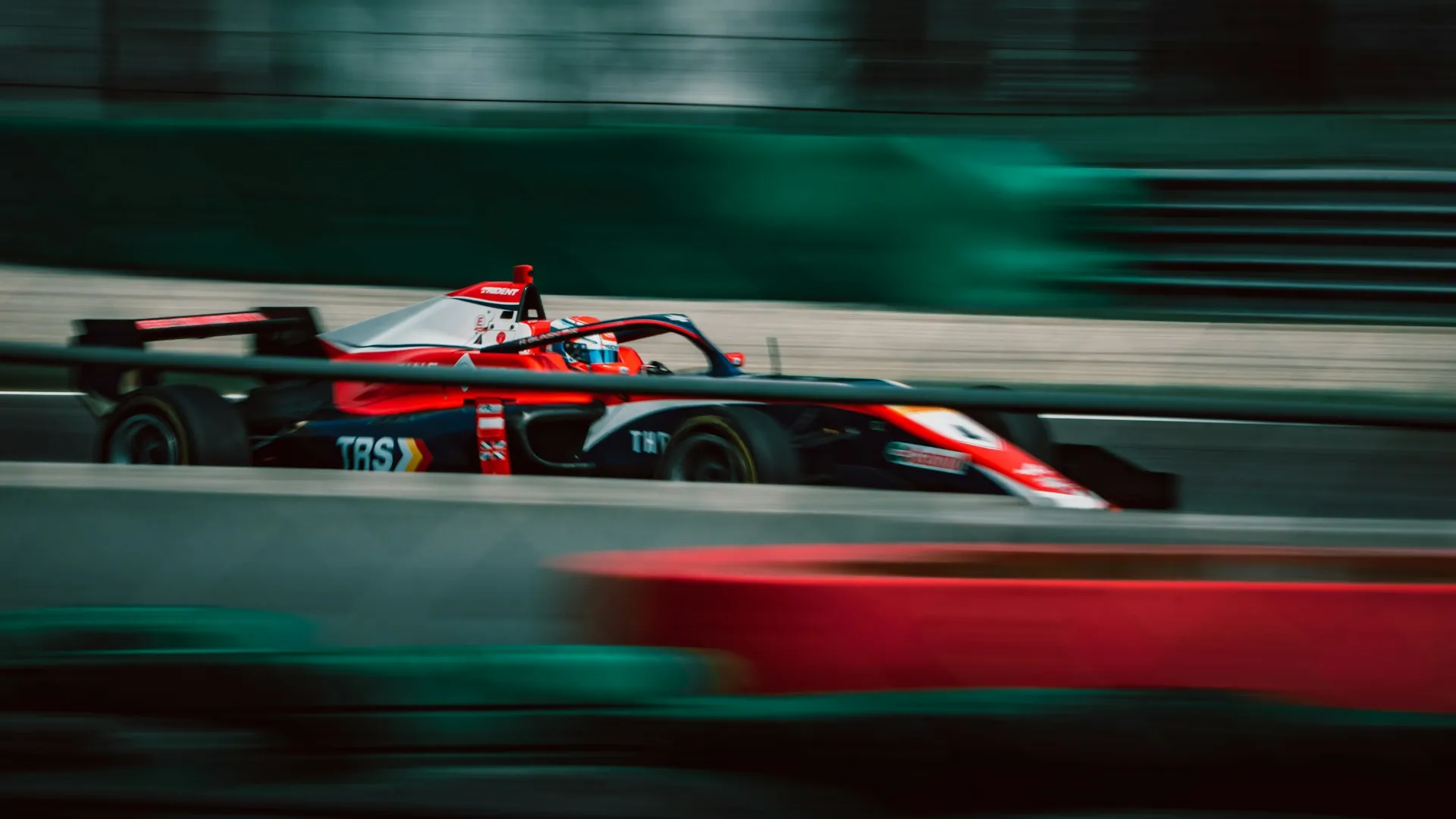

Photo by Isaac Maffeis on Unsplash
The global motorsport landscape is currently witnessing the opening chapters of a new Formula 1 era—unquestionably the most crucial transition in its modern history. Far from a standard calendar change, this season serves as the ultimate real-world test for the radical 2026 regulations, a mechanical and architectural overhaul unseen in over a decade.
For high-end automotive enthusiasts, team investors, and collectors of speed, F1 is no longer merely an exhibition of raw driver talent. The pinnacle of motorsport has evolved into an elite chess match to master entirely new laws of physics, energy conversion efficiencies, and high-stakes political maneuvers between automotive titans.
The 2026 Chassis Architecture: Engineering a Nimbler Beast
Observing the silhouettes of the machinery on the grid this season, one immediately notices a significant shift in visual proportions. The FIA has deliberately reduced the footprints of these cars to favor agility and closer racing. Two defining mechanical changes define the new exteriors:
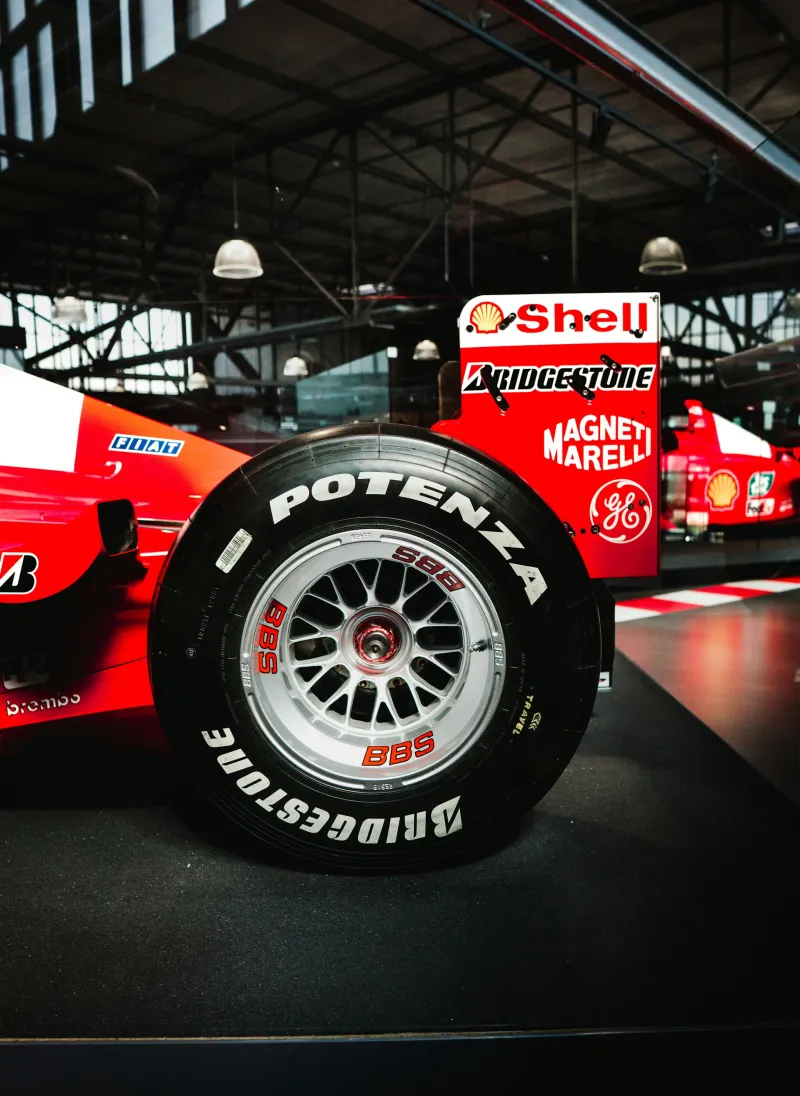
Photo by Niklas Du on Unsplash
•• More Compact Dimensions (Nimble Car Concept)
The total width of the cars has been trimmed from 2 meters to 1.9 meters, while the maximum wheelbase has been drastically shortened from 3.6 meters down to 2.8 meters. Furthermore, minimum weight targets have dropped by 30 kilograms, returning a sharp, responsive handling character to the cars through tight corners.
•• Active Aerodynamics (Active Aero)
This is the ultimate game changer. Cars are now equipped with synchronized front and rear wing flaps that adjust automatically mid-race. The system operates across two primary profiles: Z-mode deploying maximum downforce for high-speed cornering stability, and X-mode dropping wing angles to minimize drag for maximum straight-line top speeds.
This structural shift was engineered to facilitate organic overtaking and closer track battles, reducing the grid's historic reliance on conventional DRS (Drag Reduction System) zones.
The Hybrid Power Unit War: A 50-50 Energy Split and Sustainable Fuel
Beneath the engine covers lies a mechanical revolution that forced engineers to redesign propulsion baselines from the ground up. While the foundational architecture of the 1.6-liter V6 Turbo engine remains, the surrounding Energy Recovery System (ERS) has seen an astronomical performance leap.
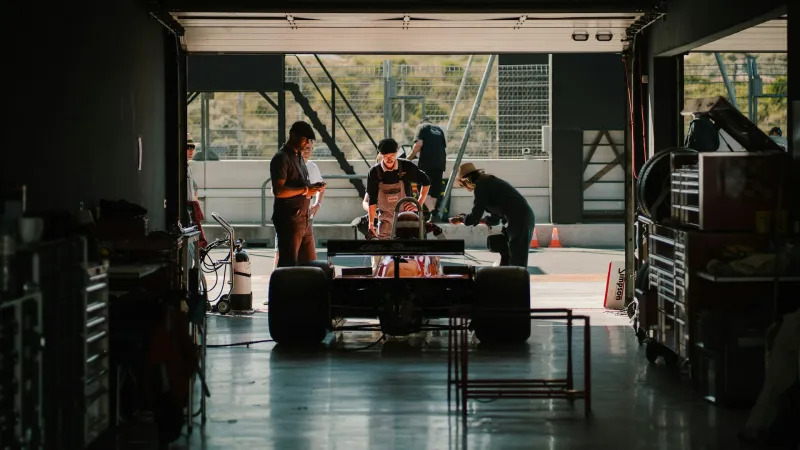
Photo by Marc Kleen on Unsplash
The intricate MGU-H unit (which harvested energy from turbo exhaust gases) has been entirely abolished to rein in astronomical development costs. In its place, the electric burden falls squarely onto a heavily upscaled MGU-K unit, whose output has nearly tripled to 350 kW. This configuration produces a balanced power distribution: 50% derived from the internal combustion engine (ICE) and 50% pulled directly from the hybrid battery cell.
Complementing this engineering leap is F1’s transition to 100% sustainable fuel (synthetic hydrocarbons). This shift signals a massive message to the broader global automotive industry: extreme, high-end performance and environmental sustainability can seamlessly coexist within a singular mechanical framework.
A Disrupted Competitive Hierarchy: The Fall of Absolute Dominance
The opening rounds of the season have clearly proven one definitive thesis: the era of monotone, single-team dominance is officially dead. Radical regulatory overhauls inherently reward engineering foresight while ruthlessly punishing delayed adaptations to new physical variables. This competitive shift is most apparent at the front of the grid, where McLaren and Ferrari have emerged as the most prepared forces in mastering active aerodynamic integration. By pairing responsive active wing articulation with lightweight chassis platforms, both iconic teams have created cars with phenomenal high-speed corner stability, claiming early leadership of the 2026 world championship race.
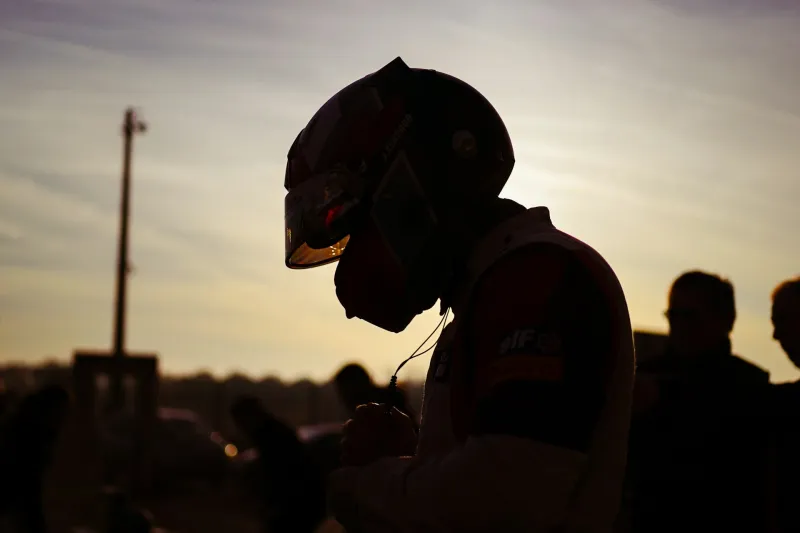
Photo by Mathias Dargnat on Unsplash
Conversely, Red Bull Racing finds itself facing a harsh reality check in this transitional phase. Navigating the departure of several vital engineering minds late in the previous regulation cycle has taken a clear toll on their ambitious internal power unit program, Red Bull Powertrains. Their maiden power units are working overtime and experiencing early reliability issues when pitted against legacy manufacturers who possess decades of standalone engine development expertise.
Meanwhile, Mercedes is mounting a steady recovery from behind, relying heavily on their immense technical heritage. The Silver Arrows focused their primary innovation cycle on thermal efficiency and exceptional MGU-K deployment management. Consequently, their cars look increasingly lethal during the second half of Grand Prix distances, leveraging superior battery longevity as rival teams begin to encounter thermal clipping.
"The 2026 regulations didn't just alter the rulebook; they shattered established empires to force automotive engineers to bow before pure energy efficiency."
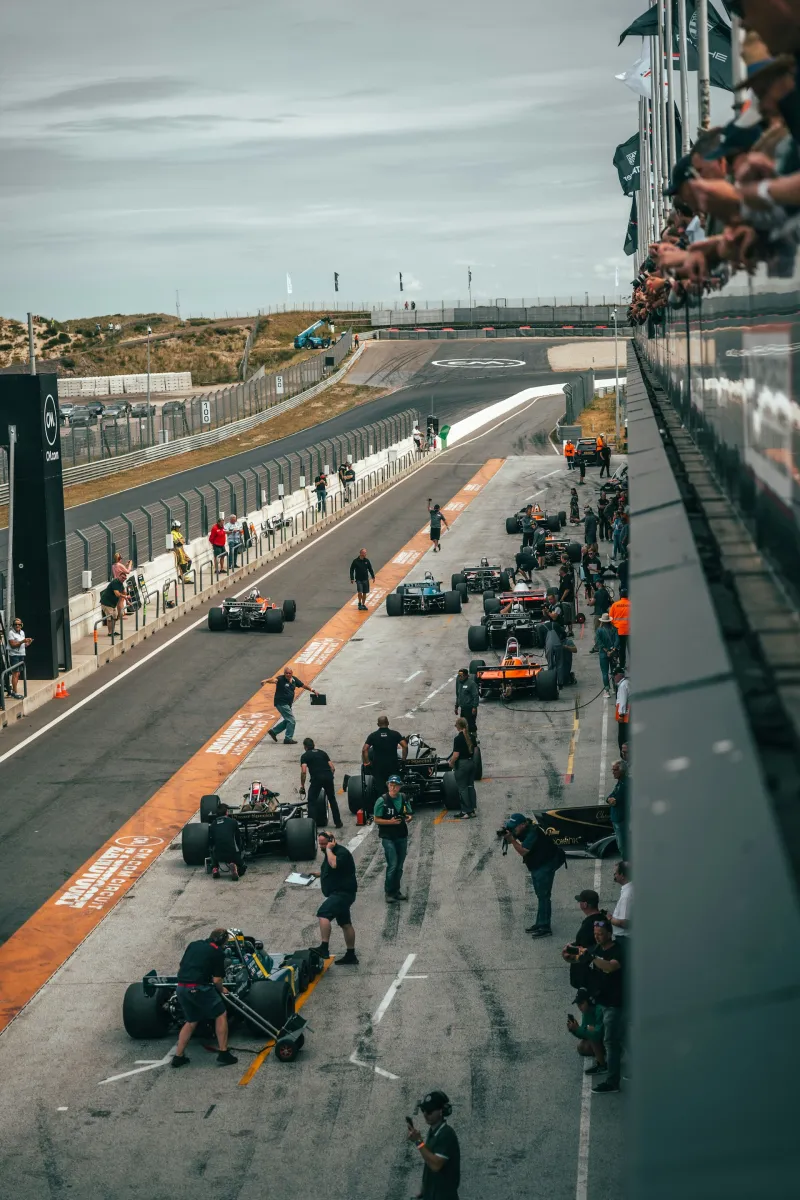
Photo by Marc Kleen on Unsplash
This competitive dynamic is further intensified by the Audi factor, the grid's highly anticipated new challenger. The German giant's full entry as a complete works outfit has altered paddock politics just as much as it has changed technical projections. While Audi remains in an aggressive, steep learning phase to catch the performance curve, their presence confirms that the commercial prestige and technical value of modern Formula 1 have reached an all-time high.
Luxury, Horology, and the Elite Lifestyle of the Paddock
Formula 1 has never been confined to the asphalt boundaries of the track; it remains the absolute zenith of high-end social status and global luxury. Surrounding the circuits, the exclusive Paddock Club lounges have transformed into high-stakes corporate boardrooms populated by global dignitaries, cultural icons, and international CEOs.
This prestige is highlighted by the elite horological alliances strapped to the wrists of drivers and team principals alike. From Richard Mille pushing boundaries with ultra-light composite racing engineering, to Rolex serving as the definitive global timekeeper, and TAG Heuer dropping highly sought-after collectible timepieces, F1 continues to be the ultimate space where billion-dollar enterprises, cutting-edge tech, and elite lifestyle metrics merge flawlessly.
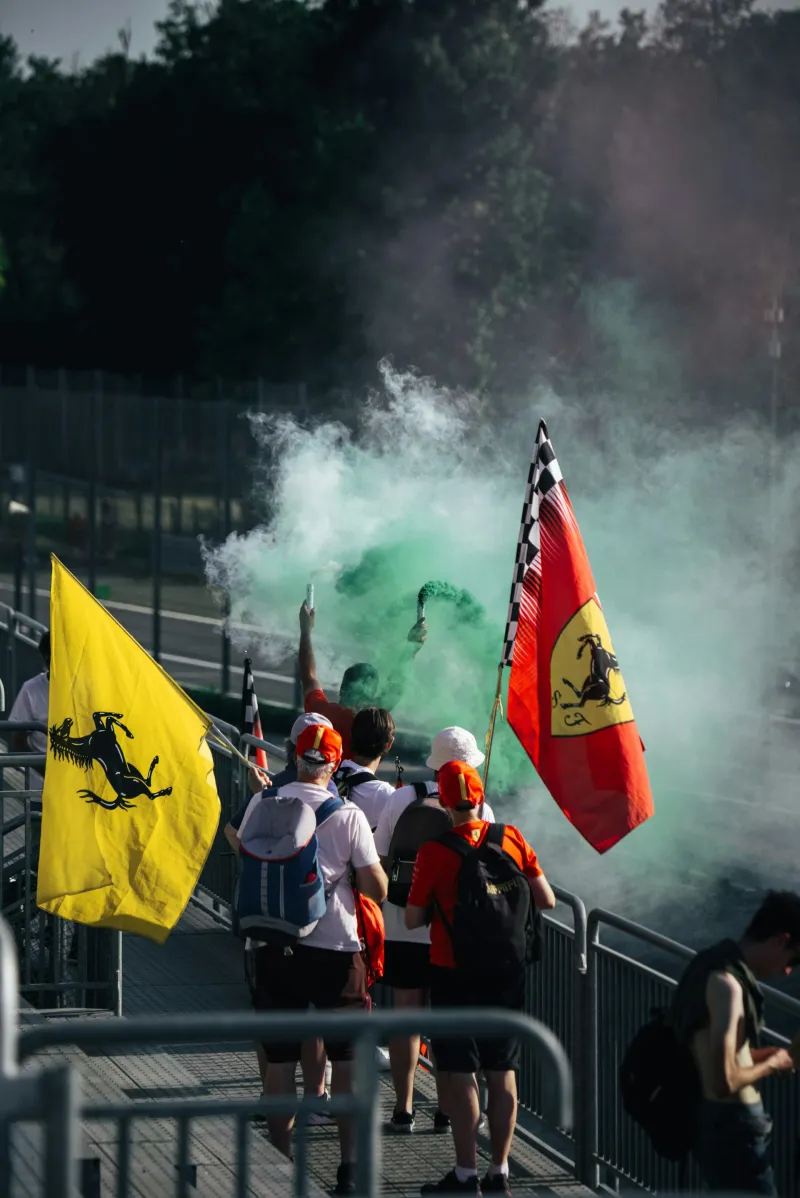
Photo by Enrico Miglioranza on Unsplash
"While drivers fight for milliseconds out on the asphalt, international deals that shape global industries are locked down inside the absolute privacy of the Paddock Club."
WRAP-UP!
The dawn of Formula 1's new era under the 2026 mandates proves that this championship remains the most valid incubator for global automotive technology. With the removal of the MGU-H and the dramatic elevation of the MGU-K, the teams that master energy harvesting and tactical deployment over a race distance will govern this new motorsport landscape.
To appreciate this transitional season to its fullest, pivot your focus toward how drivers deploy X-mode on long straights, and watch how battery deployment strategies dictate the crucial shifting of momentum during the final, high-stakes laps of the race.
Looking to feature your brand and business through Alinear Indonesia’s Smart Publication & Smart Activation? Share your experience and consult with us today. Click here!









![Alinear Indonesia [Brand/Business Registration] Smart Publication & Smart Activation](https://www.alinear.sr-digital.biz/assets_web/images/qr-codes/3e23e7dab43d2e72854ba48a3a09cf75.jpg)