

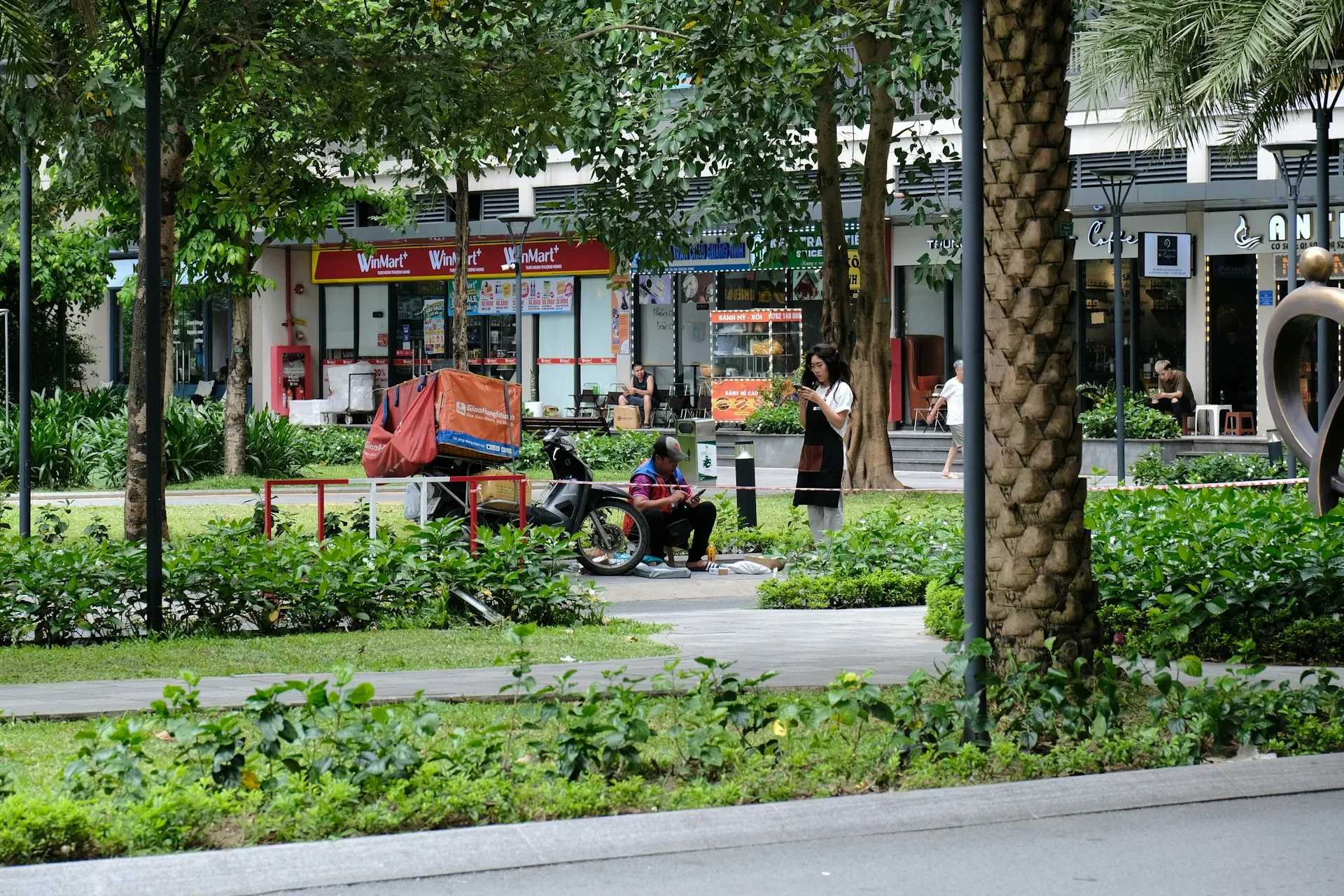

Behind the reflective glass facades and towering concrete structures of modern central business districts, a quiet yet powerful social transformation is taking root. In a fast-paced environment typically characterized by endless corporate workflows and digital devices, a progressive community movement is rewriting the rules of metropolitan living through the expansion of Community Gardens.
These green sanctuaries are intentionally reclaiming neglected urban spaces. Spanning across underutilized land parcels, skyscraper rooftops, and leftover pedestrian zones, white-collar professionals and local city residents are stepping away from their monitors to co-create dynamic, collective agricultural hubs.
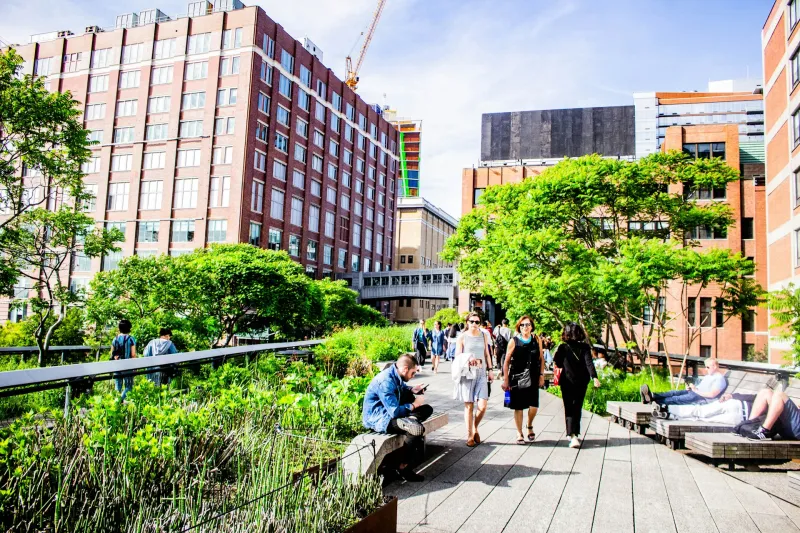
Photo by Simon Bak on Unsplash
Cultivating Edible Frameworks in High-Density Zones
Developing functional agricultural projects within the core of a dense financial district requires creative space management and low-impact farming methods. Because traditional vast soil fields are entirely non-existent, these urban cultivators use modern engineering solutions to seamlessly blend farming into high-rise architecture.
Using sophisticated automated hydroponic rigs and nutrient-rich organic vertical gardens, these sites maximize minimal floor footprints to secure steady yields of everyday fresh produce. Participants actively plant, monitor, and harvest crisp varieties of loose-leaf lettuce, heritage ranti tomatoes, and an array of aromatic cooking herbs. By taking responsibility for every stage of the growing cycle, city dwellers gain a clear understanding of food origins while converting dead corporate architectural spaces into thriving, productive ecosystems.
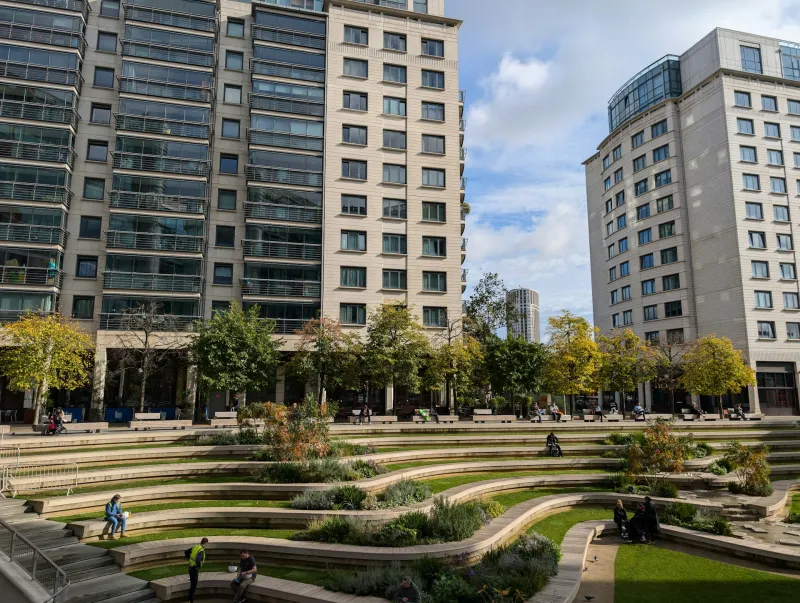
Photo by Artem Manchenkov on Unsplash
Sowing the Antidote to Digital Isolation
The true value of these community garden networks expands far beyond the physical weight of the vegetables harvested. This movement has evolved from a simple green hobby into a crucial platform for genuine, face-to-face human interaction, enabling people to build deeper relationships with their surrounding environment.
Working together in a shared garden offers an essential mental relief for modern professionals, standing as a vital antidote to the challenges discussed in [Digital Loneliness and Physical Community Solutions]. Getting your hands dirty in real soil alongside neighbors breaks down the invisible barriers of hyper-connected office environments. It builds an organic support network where shared labor replaces superficial digital messages, closing the gap between isolated professionals and creating a healthier, grounded city culture.
"In a hyper-connected urban ecosystem that demands non-stop digital productivity, planting seeds alongside your neighbors is the most radical way to grow back our basic human connection."
Cultural Manifestos for the Urban Soul
Reclaiming urban spaces for communal agriculture shifts our focus back to what truly matters—reconnecting with the earth and each other.
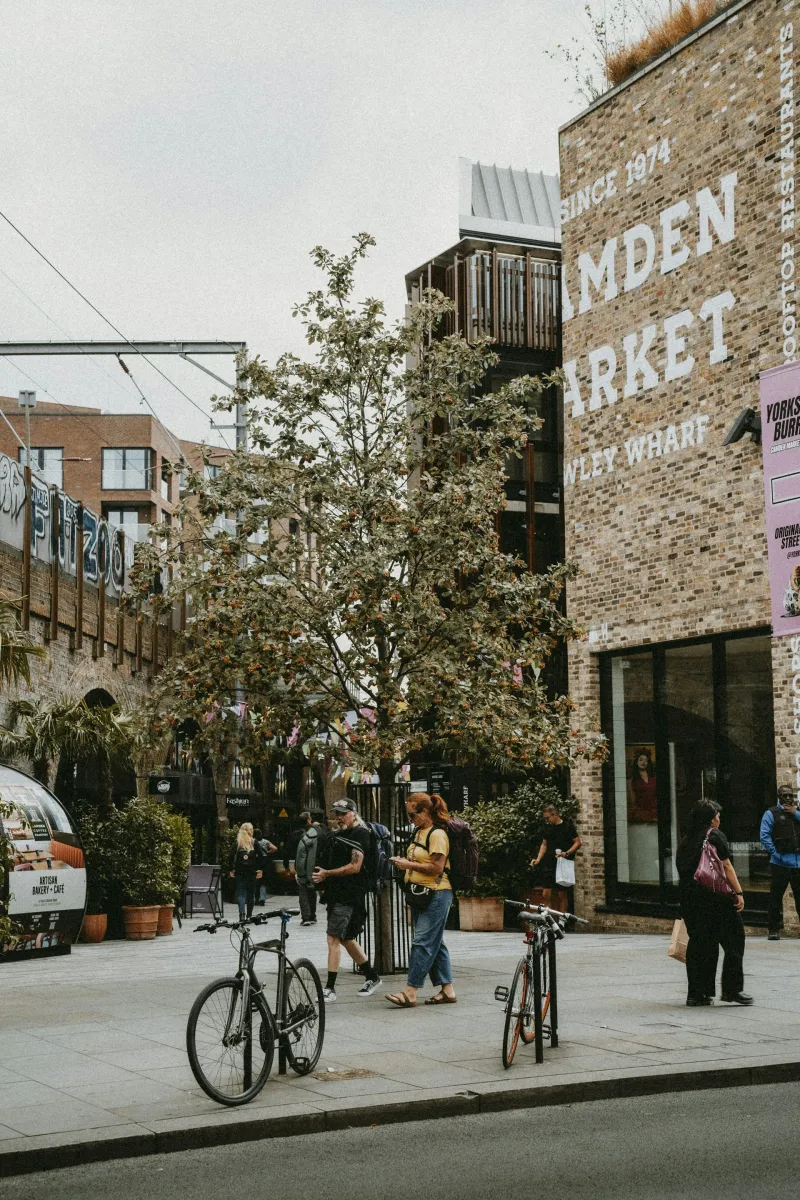
Photo by Fabrizio Coco on Unsplash
"The ultimate value of an urban garden isn't measured by the tonnage of its harvest, but by the strength of the community that builds it beneath the shadow of giant corporate towers."
WRAP-UP!
The growth of community farming initiatives throughout metropolitan commercial centers demonstrates that modern cities need more than just smart technologies to thrive—they require dedicated spaces for human connection. By converting empty concrete surfaces into green, shared spaces, these professional agricultural projects prove that community wellness and sustainable design go hand in hand. Ultimately, tending a garden in the middle of a financial district shows that city spaces can be reimagined to cultivate deep relationships, continuous joy, and a healthier lifestyle for everyone involved.
For commercial property managers, urban community leaders, and corporate wellness directors looking to set up shared agricultural spaces, start by conducting an infrastructure safety review of empty rooftop areas to check structural weight capacities and access paths. Choose scalable hydroponic systems or modular vertical garden walls that integrate smoothly into current plumbing and drainage setups. Most importantly, organize regular planting workshops to bring building tenants together, creating open invitations that turn these urban oases into welcoming hubs for collaborative teamwork and true stress relief.
Looking to feature your brand and business through Alinear Indonesia’s Smart Publication & Smart Activation? Share your experience and consult with us today. Click here!



![Alinear Indonesia [Brand/Business Registration] Smart Publication & Smart Activation](https://www.alinear.sr-digital.biz/assets_web/images/qr-codes/3e23e7dab43d2e72854ba48a3a09cf75.jpg)