

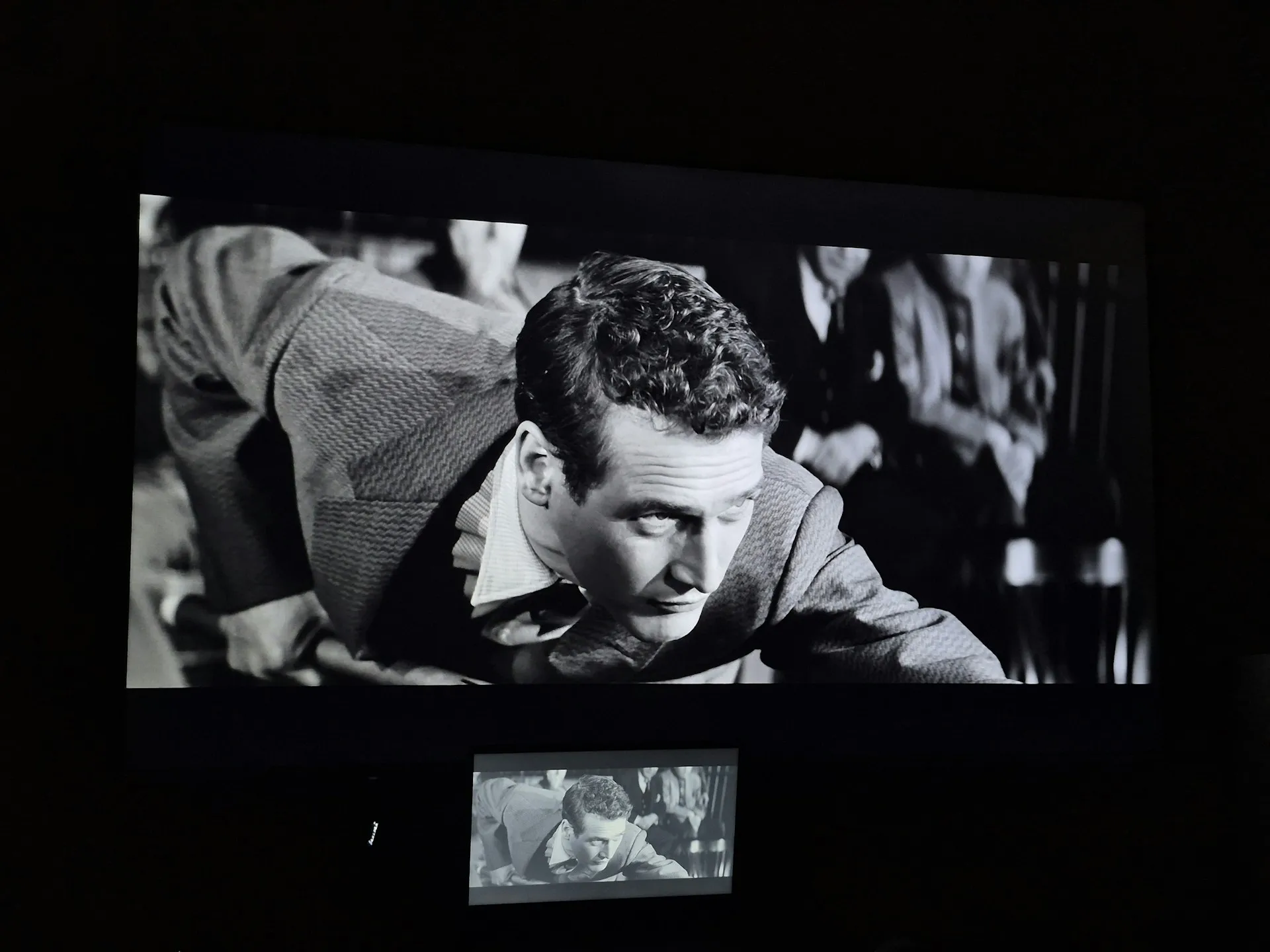

While mainstream commercial megaplexes are continually packed with franchises boasting cutting-edge computer-generated imagery (CGI), a quiet alternative cinema movement within urban hubs is purposefully moving in the opposite direction. Several independent screening rooms and cultural centers have established a consistent calendar of Classic Film Screenings, systematically reintroducing audiences to foundational black-and-white masterpieces from global and national golden eras.
This curated programming draws significant enthusiasm from film purists and modern cinephiles who seek deep narrative resonance and unadulterated visual aesthetics. As movie-going increasingly feels like a passive consumption of digital pixels, these micro-cinemas serve as vital preservation chambers for the authentic art of storytelling.
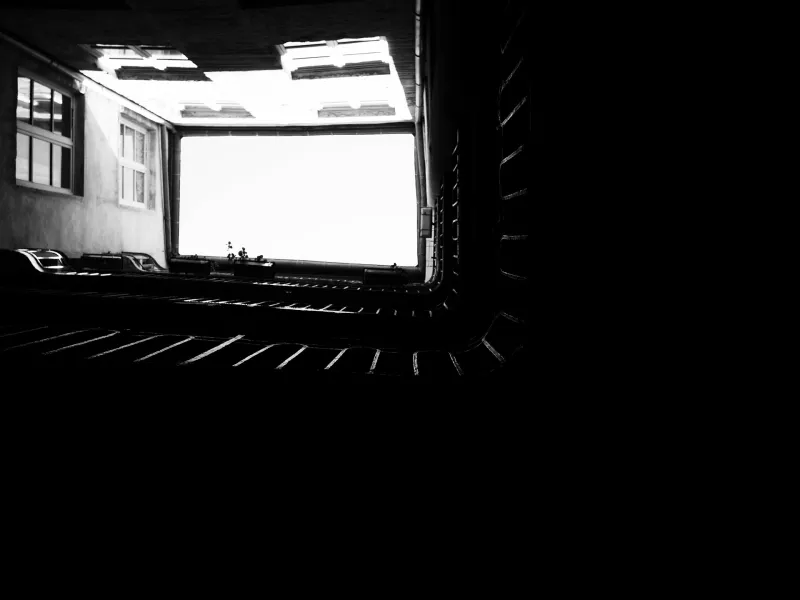
The Multifaceted Allure of Black-and-White Masterpieces
The sustained interest in classic monochrome cinema within alternative screening spaces is built upon distinct structural qualities that digital multiplexes rarely foster. Three essential pillars define the uniqueness of this archival experience:
–– A Deep Appreciation for the Power of Light and Shadow
Free from the vibrant distractions of modern color palettes, black-and-white film strips away excess to force the audience to confront the core fundamentals of cinematography. Viewers are exposed to raw masterclasses in light-and-shadow interplay (chiaroscuro), meticulous frame compositions, and the subtlest micro-expressions of an actor's face. Witnessing historical works by legendary directors teaches a profound visual lesson in how complex human emotions can be fully broadcasted entirely through gradients of gray.
–– A Living, Vibrant Space for Post-Screening Dialectics
Attending a screening at an alternative cinema is an intellectual experience that extends far beyond the moment the house lights go up. Every classic presentation is almost universally tethered to a live, interactive post-screening panel featuring film critics, cultural historians, or archival scholars. This dedicated dialectic environment is exactly what urban audiences crave, allowing them to collectively dissect the socio-political contexts under which the film was originally manufactured.
–– An Intimate, Unified Communal Environment
Operating with strictly limited seating capacities, alternative theaters offer a level of spatial intimacy that large multiplexes cannot provide. Sharing an unhurried room with fellow cinephiles who value complete silence, focused viewing, and artistic integrity fosters a high level of respect for the exhibition craft, proving that the true magic of the silver screen remains entirely resilient.
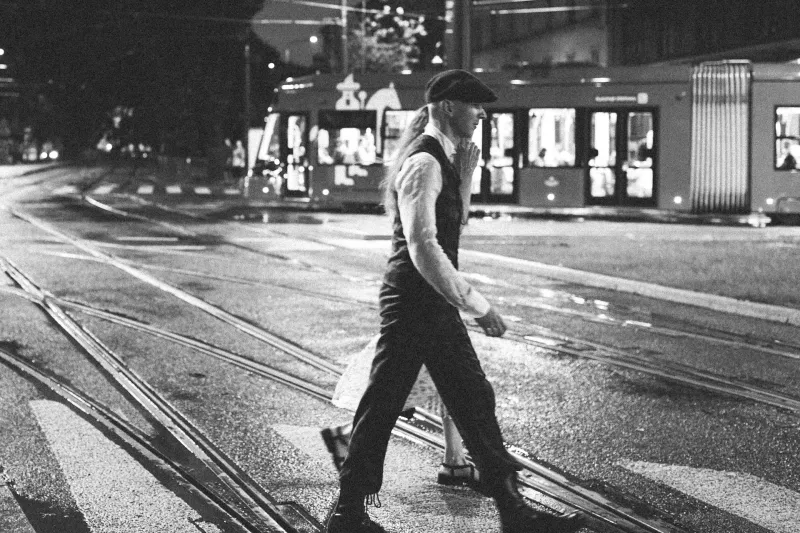
Photo by Ugur Arpaci on Unsplash
The Mechanics of Chiaroscuro
The technical resilience of black-and-white cinema rests heavily on its forced reliance on structural contrast. Without color to differentiate background planes from human subjects, directors and cinematographers are required to construct depth through intense geometric lighting. The implementation of chiaroscuro—the dramatic juxtaposition of extreme light and deep shadow—transforms the flat cinematic frame into a highly texturized, dimensional psychological map.
Every shadow cast across a character's face functions as an explicit narrative device, signaling moral ambiguity, internal conflict, or impending tragedy. For the urban viewer over-saturated by flat, hyper-saturated digital lighting setups, this stark tonal discipline offers a refreshing and technically complex palette that demands active visual decoding.
A Cinephile's Code of Conduct for Alternative Screening Spaces
Navigating the ecosystem of independent, community-driven cinemas requires a shift in consumer habits compared to standard mall theater visits. Because these spaces are run with limited infrastructure and a deep reverence for the media archive, arriving well ahead of the scheduled showtime is essential—not only to secure optimal seating in smaller rooms but to absorb the curatorial notes often distributed prior to the screening.
Absolute silent attentiveness during the playback is non-negotiable; within an intimate room, the rustle of food packaging or the glare of a smartphone screen immediately fractures the delicate atmospheric spell cast by an older film print. Finally, audiences are highly encouraged to stay for the post-show panel, as entering the open floor discussion completes the intended cycle of alternative film exhibition.
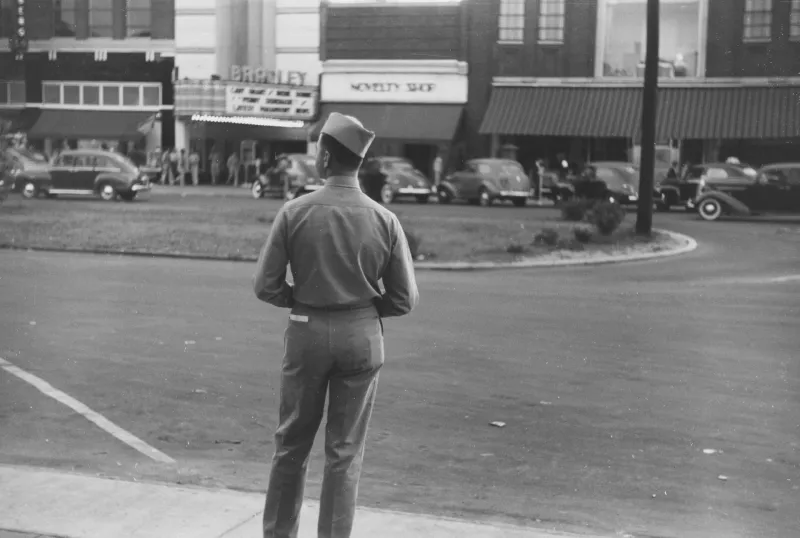
Photo by The New York Public Library on Unsplash
"When you strip a frame of all its color, you do not lose detail; you gain an uncompromised view of the architecture of human emotion."
When engaging with legacy black-and-white cinema within a modern analytical framework, contemporary viewers can assess historical works through three objective parameters:
•• Innovations in Camera Movement and Framing Constraints
Evaluate how the director bypassed the physical limitations of early, bulky camera rigs to invent unique panning techniques, deep-focus depths, or tracking shots that laid the groundwork for modern visual vocabulary.
•• Socio-Political Coding and Subversive Subtexts
Analyze how filmmakers working under strict state censorship boards or economic constraints embedded subtle allegories, costume choices, or metaphorical dialogue to critique the societal institutions of their era.
•• Preservation Quality and Translatability of the Master Print
Observe the grain structure, contrast stability, and restorative preservation work evident in the print. A well-restored archive allows the contemporary observer to witness the exact textures intended by the cinematographer decades ago.
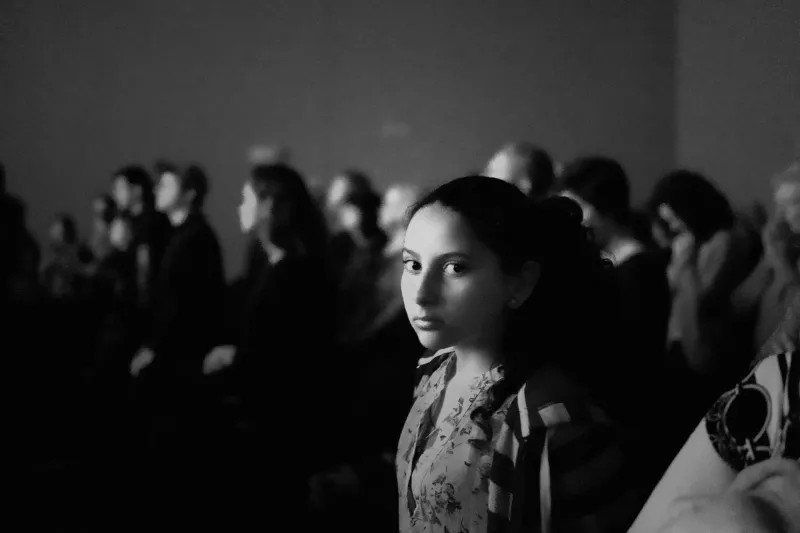
Photo by Justice Amoh on Unsplash
"Alternative cinemas do not merely play older films; they rescue the act of watching movies from passive consumption and return it to a shared intellectual ritual."
WRAP-UP!
The quiet triumph of Classic Film Screenings across alternative urban cinemas reveals a collective desire for cinematic substance over superficial digital spectacle. By championing the structural beauty of black-and-white storytelling, providing platforms for rigorous post-screening debate, and protecting the sanctity of the communal room, these independent spaces ensure that the foundational artistry of the moving image remains a living, breathing component of modern lifestyle.
Swap your standard streaming routine this weekend for a seat at an independent theater or cultural center screening room. Immerse yourself in the stark, beautiful world of monochrome cinema, and participate in the post-show dialogue to reconnect with the pure roots of global film art.
Looking to feature your brand and business through Alinear Indonesia’s Smart Publication & Smart Activation? Share your experience and consult with us today. Click here!


![Alinear Indonesia [Brand/Business Registration] Smart Publication & Smart Activation](https://www.alinear.sr-digital.biz/assets_web/images/qr-codes/3e23e7dab43d2e72854ba48a3a09cf75.jpg)