

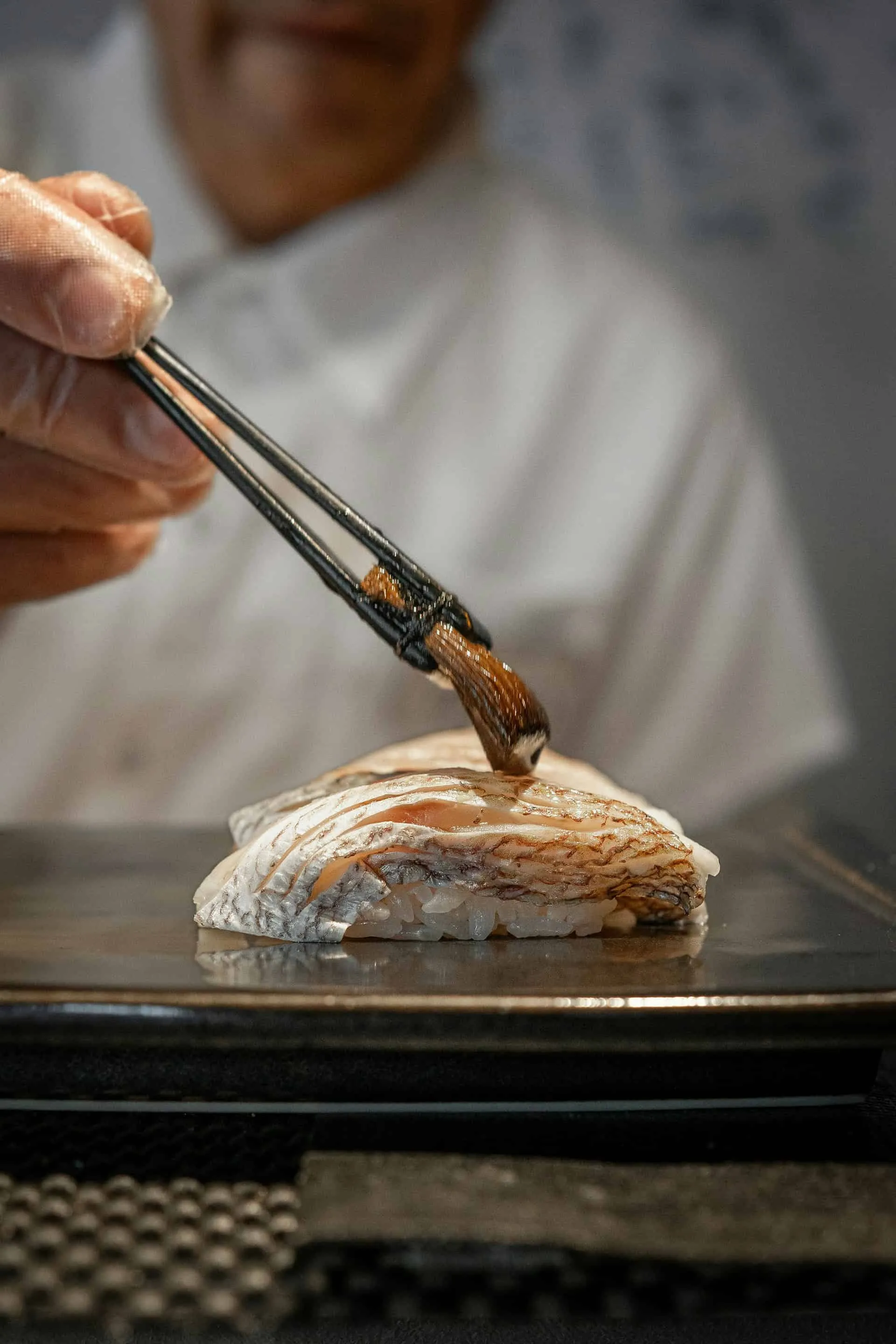

Photo by Alexandra Tran on Unsplash
The world of Japanese cuisine in 2026 has moved beyond simply serving fresh fish over vinegared rice. We are now witnessing the rise of "Hyper-Seasonal Edomae," a philosophy that emphasizes not just freshness, but optimal aging and the precision of highly specific catch times.
Unlike conventional sushi available year-round, 2026 trends demand full transparency regarding Japan's "micro-seasons," divided into 72 small seasons (shun). This means the type of fish served at an omakase table can change every week, following natural migration and the most accurate ocean current temperatures. This creates a flavor experience that cannot be replicated at any other time of the year.

Photo by Anastasiia T. on Unsplash
"Modern sushi is no longer just a dish; it is a narrative of the ocean's honesty and the precision of time trapped within a slice of fish."
Technically, top-tier itamae (sushi chefs) are adopting advanced Ikejime techniques assisted by neural sensor technology to ensure fish meat quality remains at the highest cellular level from the moment of catch. However, the most disruptive aspect is the implementation of "Blue Ocean Ethics."
Given the challenges of climate change, the 2026 sushi industry prioritizes "less popular" fish species that have abundant populations. These are processed using traditional smoking (shime) and fermentation techniques to extract umami levels equal to bluefin tuna. Sushi consumption is no longer about flaunting material wealth, but a form of appreciating responsible marine biodiversity.
Presentation aesthetics have also shifted toward sensory minimalism. The use of Akazu (red vinegar from long-fermented sake lees) gives the rice (shari) a distinctive brownish hue, creating a flavor balance that is more complex and earthy compared to ordinary white vinegar.
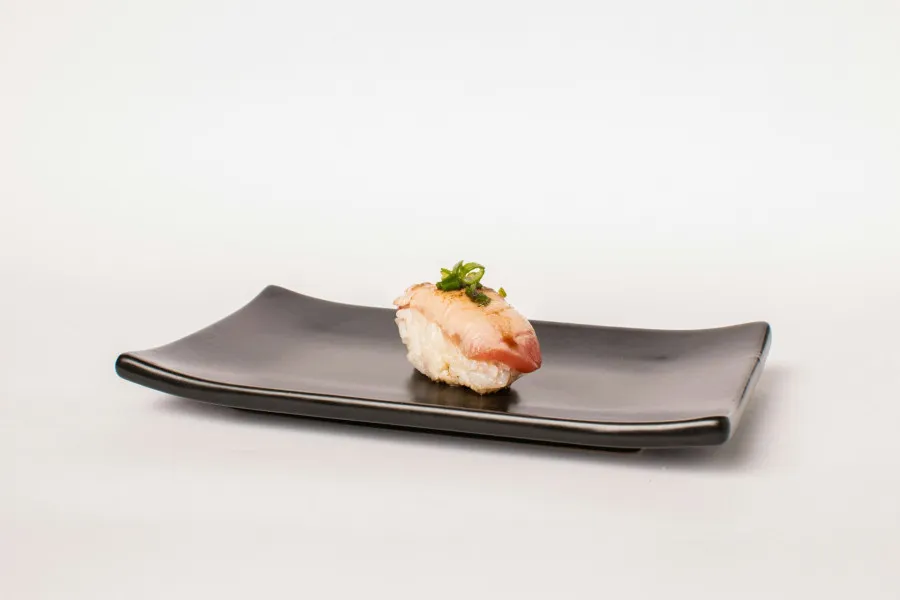
Photo by Juan Francisco Pineda Lopez on Unsplash
In leading restaurants, the interaction between chef and guest is no longer just about service; it is about education regarding the origin of every component—from the type of wood used for the rice tub (hangiri) to the source of the water used to cook the rice.
"True deliciousness is not found in price scarcity, but in the depth of the connection between humans, time, and the marine ecosystem."
Sushi in 2026 is a cognitive ritual. It reconnects humans with the rhythm of the ocean through small pieces filled with integrity and respect for nature.

Photo by Giorgio Trovato on Unsplash
WRAP-UP!
Hyper-seasonal Edomae teaches us that patience and following nature's rhythm are the best secret ingredients in culinary arts. When enjoying Omakase, try asking the chef about the current shun (micro-season) to understand why a specific fish was chosen for this week.
Looking to feature your brand and business through Alinear Indonesia’s Smart Publication & Smart Activation? Share your experience and consult with us today. Click here!
![Alinear Indonesia [Brand/Business Registration] Smart Publication & Smart Activation](https://www.alinear.sr-digital.biz/assets_web/images/qr-codes/3e23e7dab43d2e72854ba48a3a09cf75.jpg)