

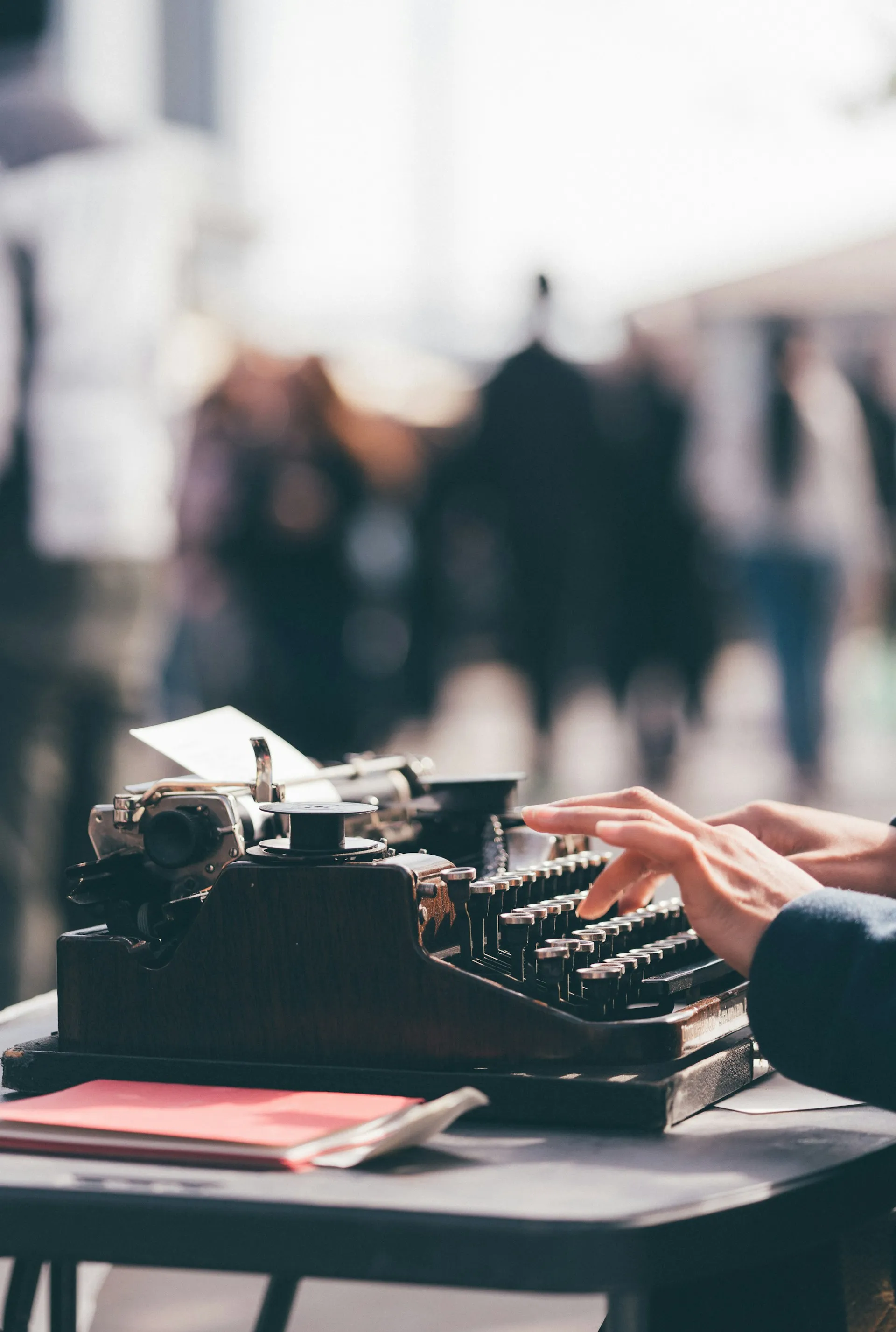

Photo by Thom Milkovic on Unsplash
While digital note-taking applications and virtual touchscreens offer limitless speed, an authentic hobbyist community is intentionally slowing down the pace. The Typewriter Journals movement is experiencing a significant surge among young urbanites and antique collectors alike. Choosing to document daily logs, personal reflections, or short poetry on a heavy mechanical typewriter restores a vital physical element and cognitive depth to writing—qualities that often dissolve during frictionless digital input.
This shift signals a broader cultural desire to disconnect from the frantic pace of online existence. By selecting an analog mechanism that demands deliberate human effort, individuals are redefining journaling from a quick administrative chore into a slow, meditative ritual of self-expression.
Sensory Symphonies: The Auditory and Tactile Magic of Mechanical Typing
The core appeal of using a vintage typing machine lies in the rich sensory feedback generated by its internal iron mechanics. Every single letter strike requires a distinct, physical allocation of human energy. The rhythmic, sharp clicking sound of the typebars hitting the platen and the resonant, nostalgic ring of the mechanical bell at the end of a line (carriage return) produce an incredibly satisfying tactile performance.
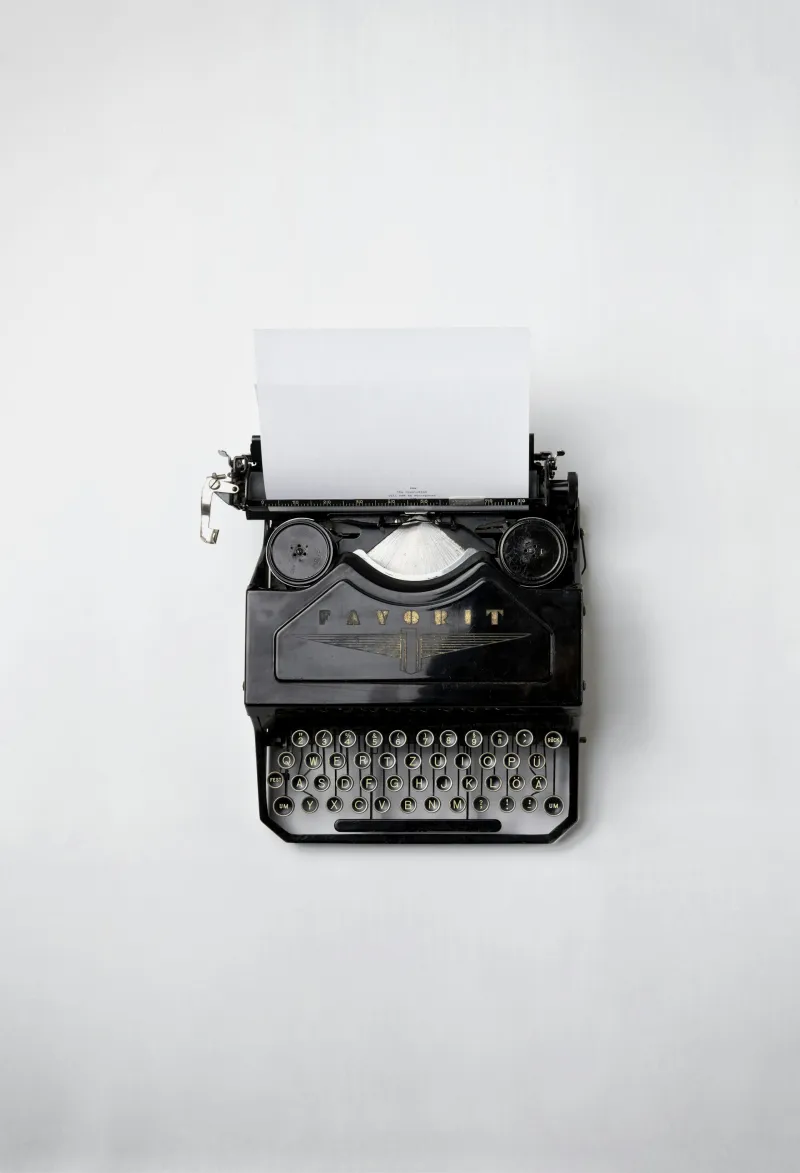
Photo by Florian Klauer on Unsplash
This multi-sensory environment transforms writing from an abstract relocation of thoughts into a highly engaging physical art form. The solid resistance of each key forces a stronger connection between the author’s hand and the evolving page, providing a grounding experience that glass screens simply cannot replicate.
Uninterrupted Focus: Training Mindfulness by Removing Digital Interference
Drafting thoughts on a physical sheet of paper guarantees absolute liberation from the persistent intrusion of chat notifications, emails, or the constant temptation to switch application tabs. A typewriter establishes an unyielding environment of uninterrupted focus.
Because there is no backspace button, the machine forces the writer to pause and contemplate words deeply before pressing a key. Knowing that every typographical error will remain permanently stamped onto the paper encourages a deep state of situational awareness and mindfulness. Rather than typing rapidly and editing endlessly, creators learn to accept imperfections, breathing an organic honesty into their personal archives.
Imperfect Visual Artifacts: The Lasting Value of Carbon and Fiber
The visual output of a manual typewriter carries a highly distinct, deeply personal character that contrasts sharply with the uniform perfection of digital typography. The slightly uneven alignment of letters, the organic fading gradients of a well-worn carbon ink ribbon, and the raw texture of heavyweight paper combined give each journal entry its own graphic fingerprint.
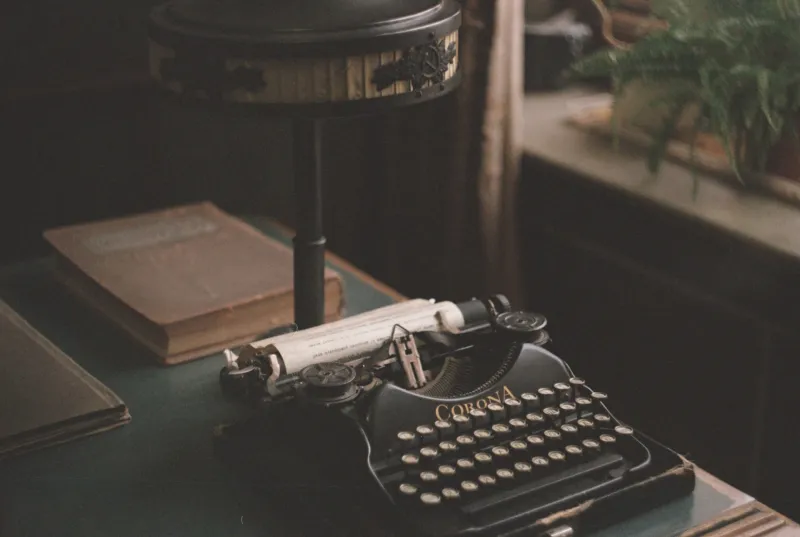
Photo by Daria Kraplak on Unsplash
These typed pages develop into authentic, physical memorabilia that carry high sentimental and aesthetic value. Over time, a completed manual journal feels far more intimate, substantive, and archival than an infinite list of plain text files buried silently inside a cloud storage server.
"A digital document saves your exact words, but an analog typewriter page captures the physical weight, rhythm, and presence of the moment you thought them."
Steps to Start an Analog Typewriter Journal
To smoothly integrate the practice of manual typewriter journaling into your modern lifestyle routine, consider utilizing these three fundamental principles:
•• Source a Serviced Portable Mechanical Typewriter
Begin your journey by acquiring a fully functional, serviced model from a reputable antique collector or specialized restoration workshop. Opt for compact, portable vintage variants, as their lighter carriage mechanisms and simpler maintenance requirements are ideal for daily domestic journaling.
•• Establish a Fixed, Phone-Free Creative Station
Set up a dedicated writing desk where your typewriter sits ready for use, completely free from laptops, smartphones, or tablets. Creating a strict digital-free boundary ensures that when you sit down, your cognitive focus transitions instantly into an analog mindset.
•• Embrace Typographical Errors as Part of the Narrative
Resist the urge to throw away pages or obscure errors heavily with correction fluid when a mistake occurs. Learn to view strikeovers and typos as honest, visual indicators of your real-time thought process, adding to the unique historical texture of your personal journal.
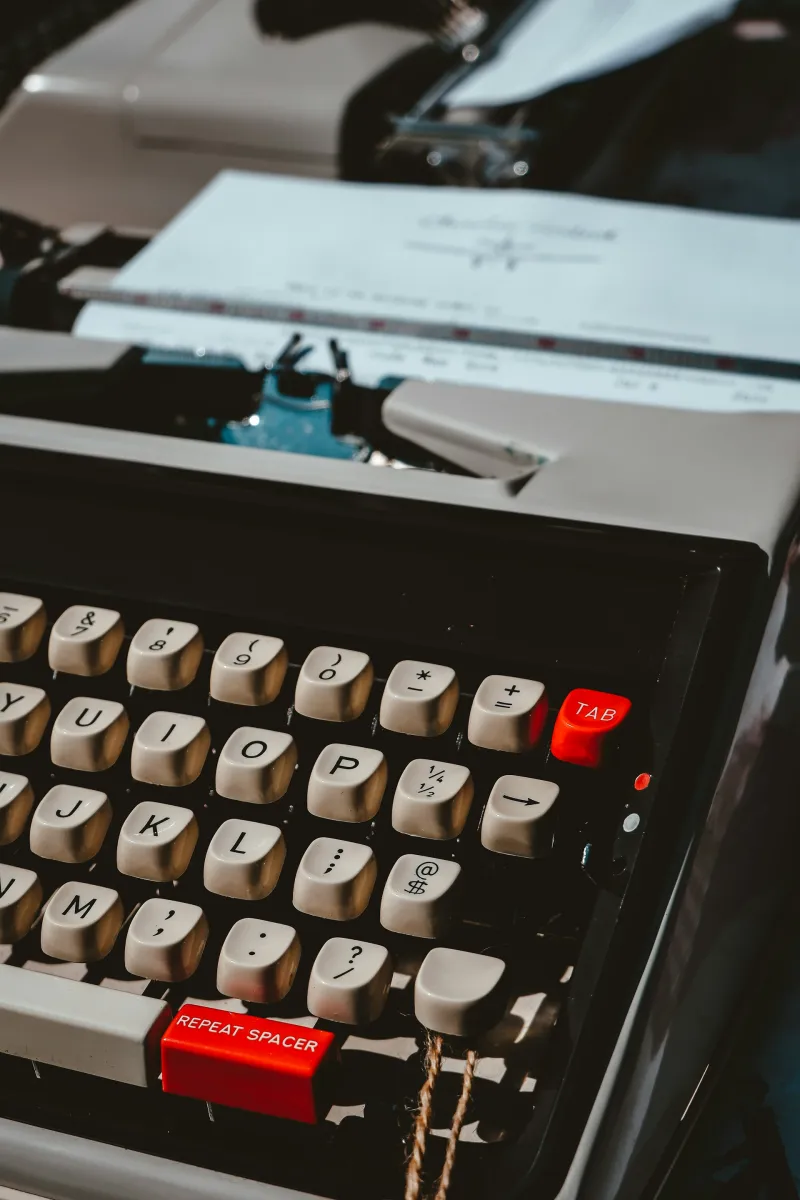
"In a world dominated by instant deletions and edits, typing on a vintage machine is a brave embrace of your permanent, beautiful imperfections."
WRAP-UP!
The rising popularity of Typewriter Journals serves as a powerful reminder that human creativity thrives when it interacts with the tactile boundaries of the physical world. The high level of trust and emotional value placed in vintage typing mechanisms proves that the future of personal reflection does not rely on smarter algorithms, but on cultivating quiet spaces, sensory engagement, and raw, uninterrupted focus [Pop-Culture Appreciation].
Begin exploring this rewarding hobby by visiting independent antique markets, local restoration clubs, or specialized vintage enthusiasts in your area. Select a machine that fits your visual taste, secure a fresh ink ribbon, and dedicate fifteen minutes each evening to typing out your thoughts on paper to experience this grounding mental detox firsthand.
Looking to feature your brand and business through Alinear Indonesia’s Smart Publication & Smart Activation? Share your experience and consult with us today. Click here!


![Alinear Indonesia [Brand/Business Registration] Smart Publication & Smart Activation](https://www.alinear.sr-digital.biz/assets_web/images/qr-codes/3e23e7dab43d2e72854ba48a3a09cf75.jpg)