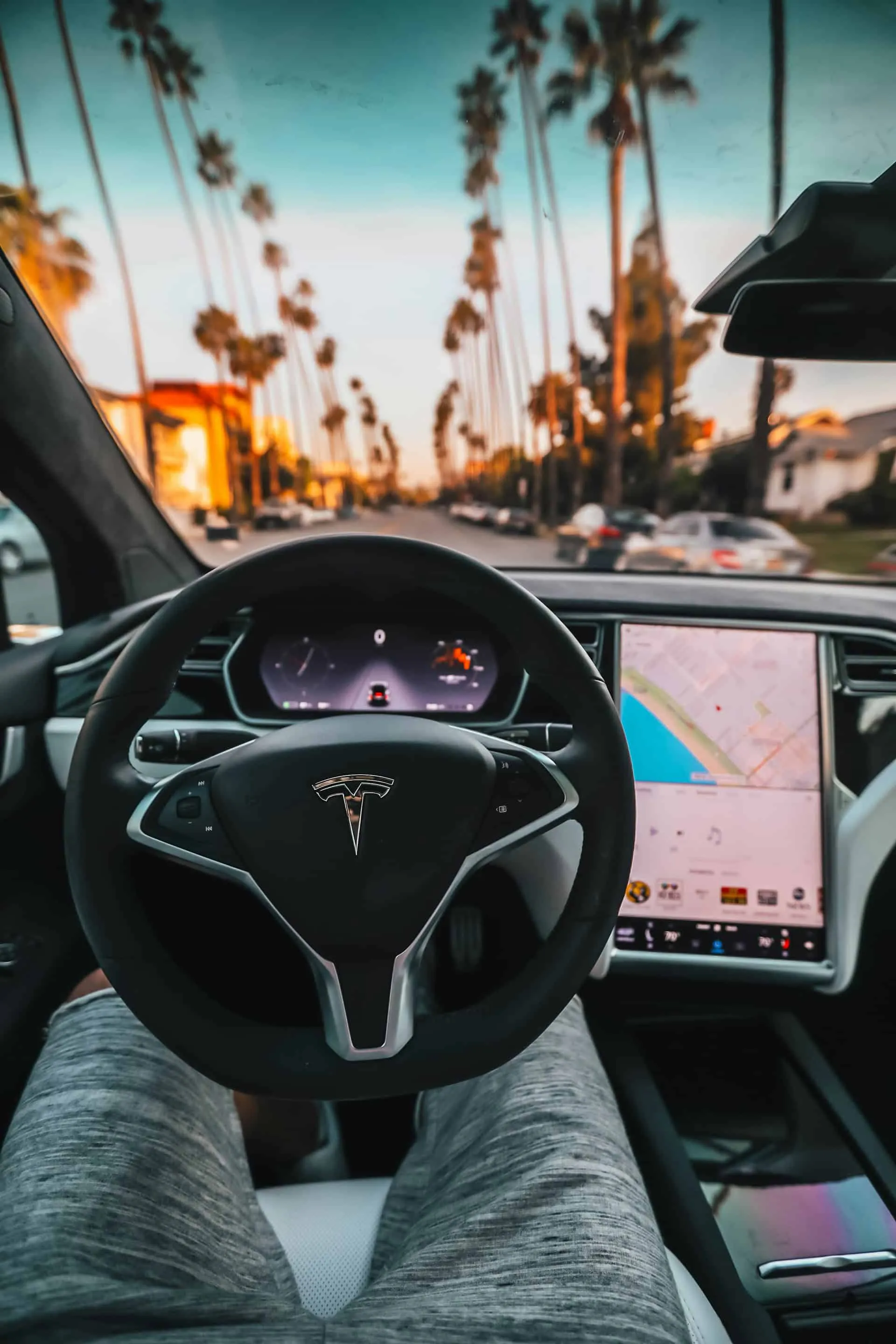

Photo by Roberto Nickson on Unsplash
As the control of the steering wheel shifts from human hands to Artificial Intelligence algorithms, we face a complex web of Self-Driving Ethics. This is no longer just a matter of sophisticated sensors or precise GPS mapping; it is a fundamental question of life and law: who is responsible when an incident occurs on the highway? Is it the software developer, the sensor provider, or the vehicle owner sitting as a passenger?
This discussion is not merely technical; it is a moral debate over how a machine should make decisions in critical situations involving human lives. In 2026, the standardization of algorithmic ethics has become the key to broad public acceptance of autonomous technology. Without an agreed-upon ethical foundation, this innovation remains a daunting prospect for society.
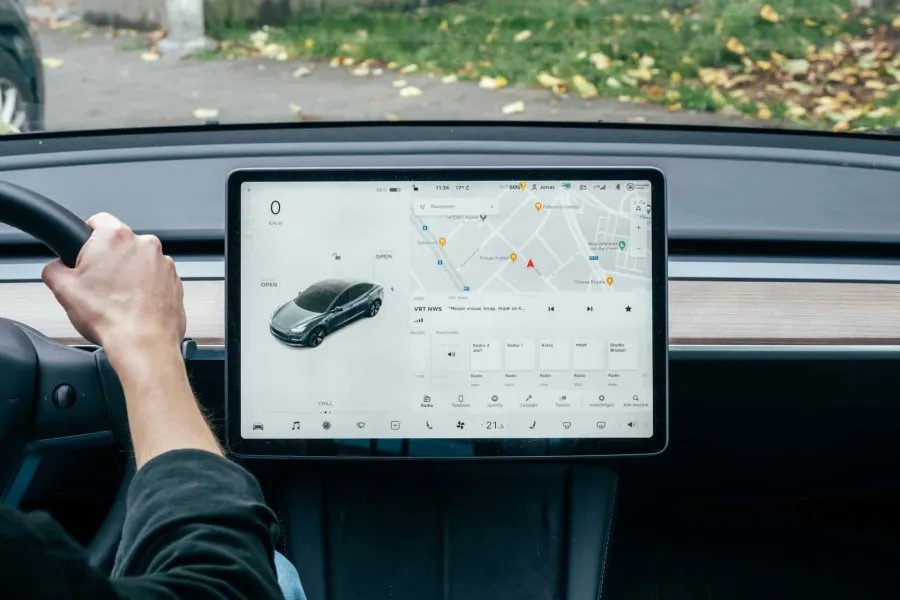
Photo by Jonas Leupe on Unsplash
Transparency and Accountability as Core Pillars
Transparency in programming code and manufacturer accountability are the primary pillars in building public trust. We are moving toward an era where road safety no longer relies on limited human reflexes—which are often compromised by fatigue or emotion—but on logic that has been tested millions of times in digital simulations.
However, legal certainty is required to protect the rights of road users. The ethics of autonomous vehicles demand that we redefine the concepts of "fault" and "negligence." In conventional law, negligence is tied to a human subject. In an autonomous world, we must ensure that technological progress is always grounded in deep humanitarian principles, ensuring future mobility remains safe, fair, and responsible.

Photo by Erik Mclean on Unsplash
"In an autonomous world, the steering wheel of the future is not moved by hands, but by the moral values we embed into every line of code."
The "Trolley Problem" on the Highway
One of the greatest challenges in Self-Driving Ethics is programming a machine to handle "impossible choices," often referred to as The Trolley Problem. How should an AI choose if an accident is unavoidable? Should it prioritize the safety of the passengers or the pedestrians?
Answering these challenges requires cross-disciplinary collaboration between engineers, philosophers, and government regulators. The goal is to create algorithms that are "fair" and consistent. The stability of this technology is measured not just by how rarely it errors, but by how humanely it responds to even the most inhuman situations.

Photo by Gabe Pierce on Unsplash
The future of autonomous transport is about creating a more civilized system. By eliminating human error, we have the potential to save thousands of lives every year. However, the journey there requires the courage to establish clear legal boundaries for tech giants.
We must not allow technology to evolve in a moral vacuum. Every line of code written to move a driverless vehicle must reflect our commitment to public safety. This is the true form of responsible innovation: where sophistication never leaves basic human ethical values behind.
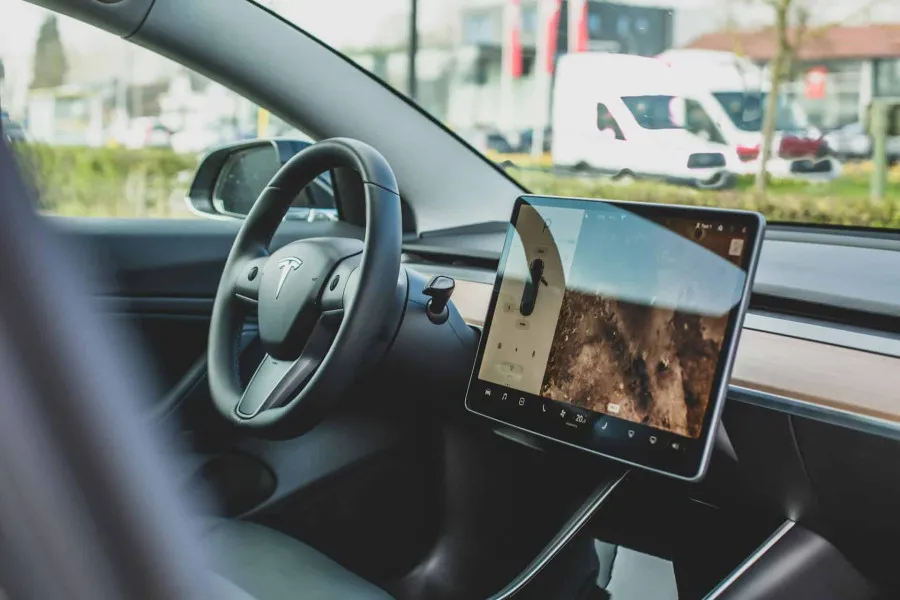
Photo by Bram Van Oost on Unsplash
"True safety does not stem from technology that never makes mistakes, but from technology designed to always be accountable for its decisions."
WRAP-UP!
The ethics of autonomous vehicles are the foundation of future transportation. By establishing clear legal responsibilities and moral standards, we can welcome the era of driverless mobility with a sense of security and trust.
Looking to feature your brand and business through Alinear Indonesia’s Smart Publication & Smart Activation? Share your experience and consult with us today. Click here!

![Alinear Indonesia [Brand/Business Registration] Smart Publication & Smart Activation](https://www.alinear.sr-digital.biz/assets_web/images/qr-codes/3e23e7dab43d2e72854ba48a3a09cf75.jpg)