











"When Jakartans rediscover the meaning of physical proximity and social solidarity within a one-kilometer radius."
Photo by Fahrul Razi on Unsplash
Amidst the increasingly impersonal and exhausting pace of urbanization, Jakarta in 2026 is witnessing the birth of a socio-cultural phenomenon known as "Neo-Localism." This is not merely a romantic movement to return to traditional roots, but a conscious effort by urban dwellers to create micro-community ecosystems based on geographical proximity and shared functional values.
If previously city identities were defined by broad professions or social status, Neo-Localism draws more intimate boundaries: residential neighborhoods, small alleys in South Jakarta, and apartment clusters in West Jakarta. This phenomenon emerges as an antithesis to digital fatigue and the fundamental human need for physical interaction that has a direct impact on the immediate surroundings.
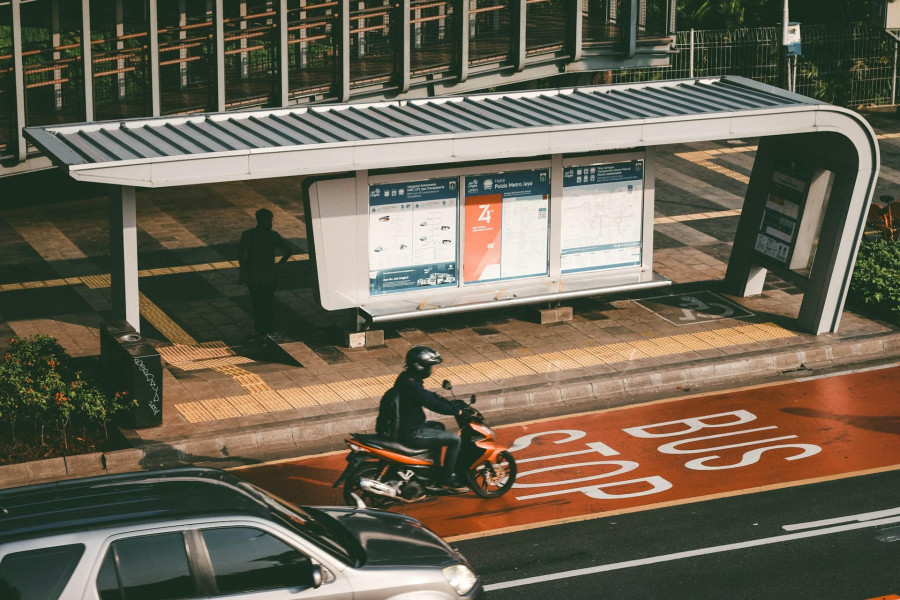
Photo by Pradamas Gifarry on Unsplash
"Becoming a world citizen begins with caring for the one-kilometer radius around where we live."
Structurally, Neo-Localism triggers the birth of a circular economy on a small scale. We see the emergence of "micro-markets" where residents exchange services and products without relying on complex global supply chains. The relationship between a local coffee shop owner and the apartment residents above is no longer just a cold economic transaction, but part of a social support system.
Sociological data shows that communities applying neo-local principles tend to have higher resilience to crises because they possess strong social capital. This revival is also driven by carbon footprint awareness; consuming what is available nearby is no longer just a "green" lifestyle choice, but an ethical necessity for the future of the planet.

Photo by Nico Wijaya on Unsplash
In terms of spatial planning, this movement encourages the emergence of more inclusive "third spaces." Small pocket parks or public open spaces managed independently by the community become new epicenters of activity. Here, social class boundaries often dissolve as the primary focus shifts to collective environmental well-being.
"The Jakarta of the future is not about soaring megastructures, but about a network of mutually reinforcing micro-communities."
Neo-Localism teaches us that being a savvy global citizen starts with how well we understand and contribute to our immediate environment. It is an evolution of the urban lifestyle seeking meaning in proximity—a real step toward a more humane, inclusive, and decentralized Jakarta.
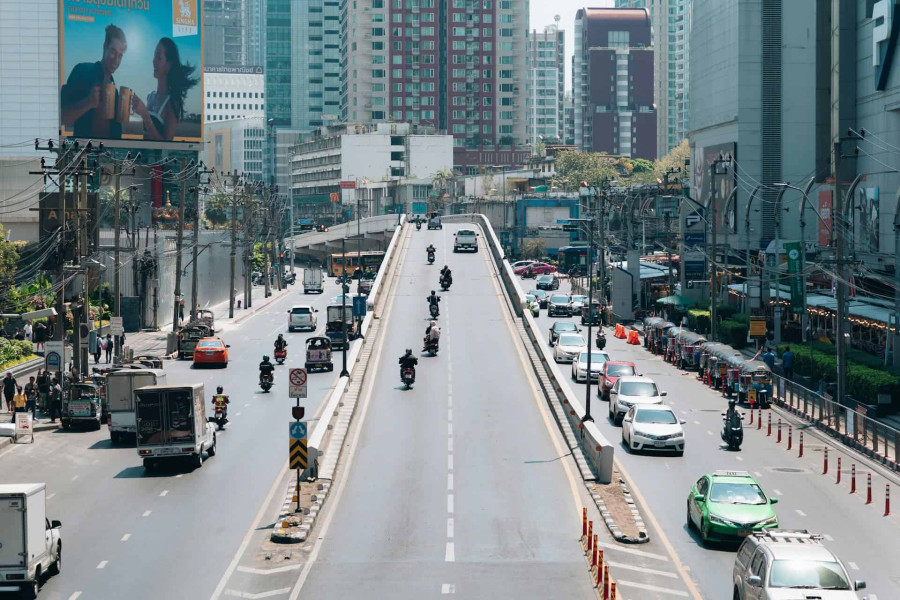
Photo by Alvin Satrio Wibowo on Unsplash
WRAP-UP!
The true strength of a city lies in the organic bonds at the most basic level: neighbors and local surroundings. Try spending time this weekend visiting SMEs or public spaces within a 1 km radius of your home; start building your own local connections.
Looking to feature your brand and business through Alinear Indonesia’s Smart Publication & Smart Activation? Share your experience and consult with us today. Click here!