


Photo source by SR Digital - Alinear Indonesia (FireFly – Gemini AI)
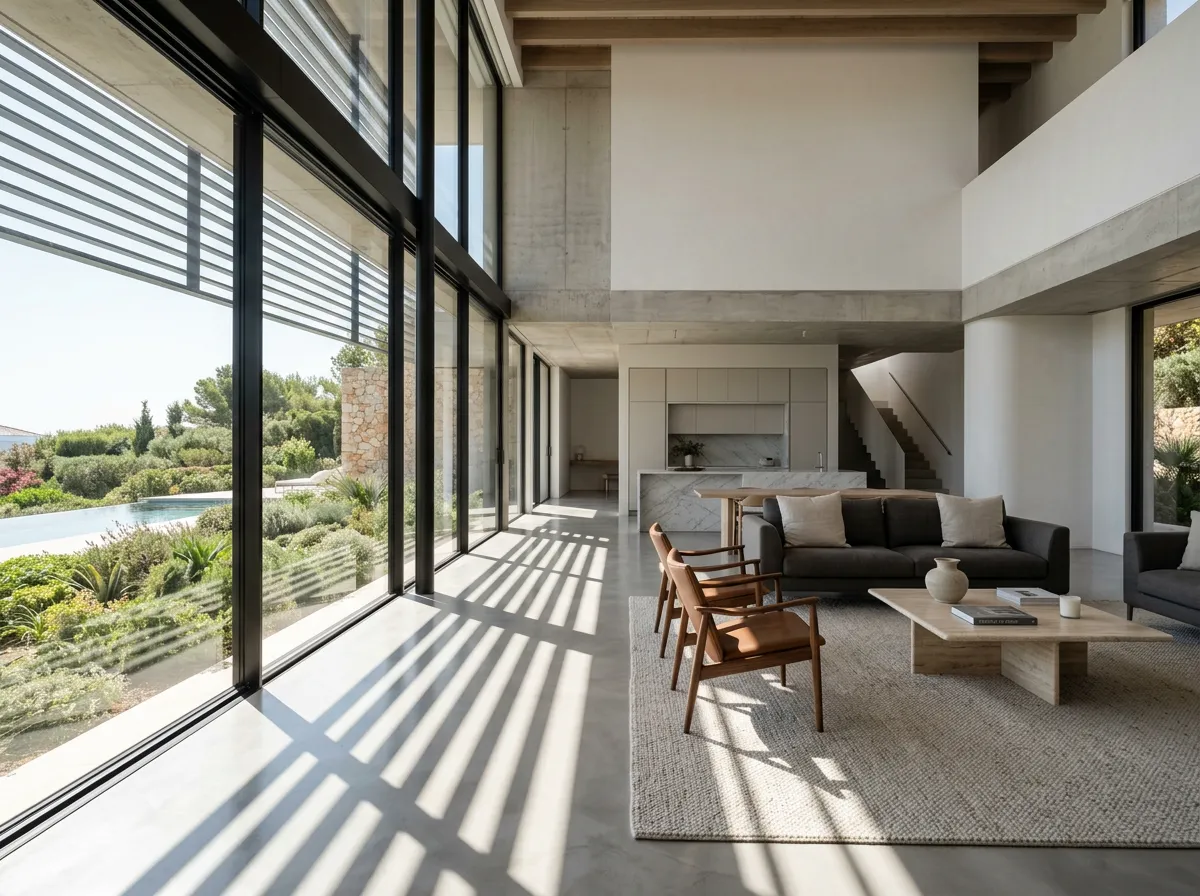
The evolution of modern interior architecture is undergoing a foundational realignment where spatial luxury is no longer evaluated by dense ornamental additions or heavy, closed furniture configurations. Instead, the current design paradigm centers on how built environments actively dialogue with natural external conditions through Natural Light Optimization. This approach shifts focus from static indoor decoration to a fluid architectural system that treats natural sunlight as a living, fundamental component of the home's structure.
This movement steps away from traditional sealed-box floor plans that isolate interior spaces from their surroundings, requiring constant artificial assistance to remain functional. By prioritizing advanced environmental layouts, designers treat natural light as an active spatial asset rather than an unpredictable weather variable. When sunlight is guided deep into a floor plan, the building envelope behaves like a responsive ecosystem. The resulting rooms feel instantly wider, healthier, and visually dynamic, fundamentally altering how residents experience indoor living.
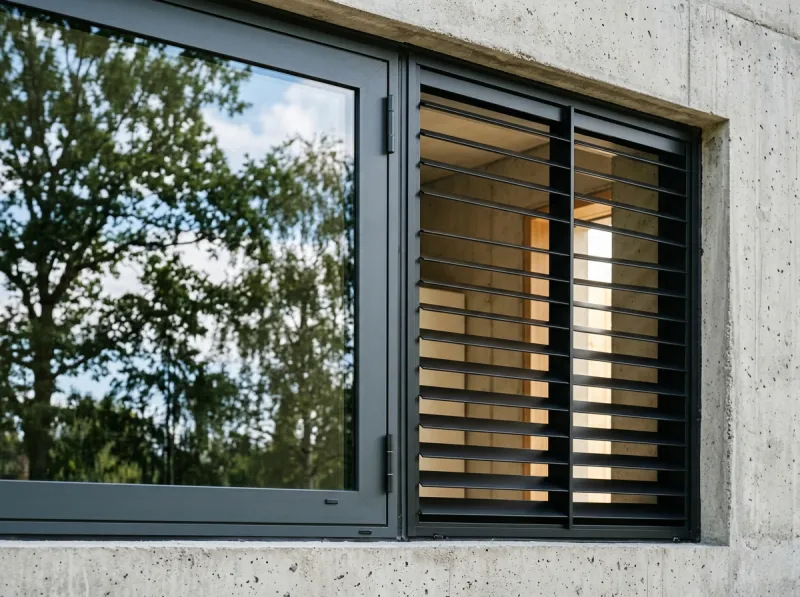
Photo source by SR Digital - Alinear Indonesia (FireFly – Gemini AI)
Passive Solar Engineering and Thermal Mitigation Mechanics
Harvesting clean natural light without converting interiors into high-temperature green chambers demands precise technical execution across the building envelope. Floor-to-ceiling windows provide maximum light entry, but they must be paired with spectrally selective reflective glass coatings. This chemical glazing formulation allows high visible light transmission (VLT) while blocking thermal infrared radiation, ensuring that light enters but heat is actively rejected at the perimeter.
To further refine the incoming light path, contemporary exterior ventilation louvers are installed at calculated angles to diffuse harsh direct rays into soft, balanced, ambient illumination. These structural steps work together to eliminate deep, dark corners without creating uncomfortable hotspots. By managing the solar orientation of the glass facades, indoor spaces remain brightly lit through daylight hours while keeping internal temperatures cool and stable, completely removing the need to power overhead lighting grids.
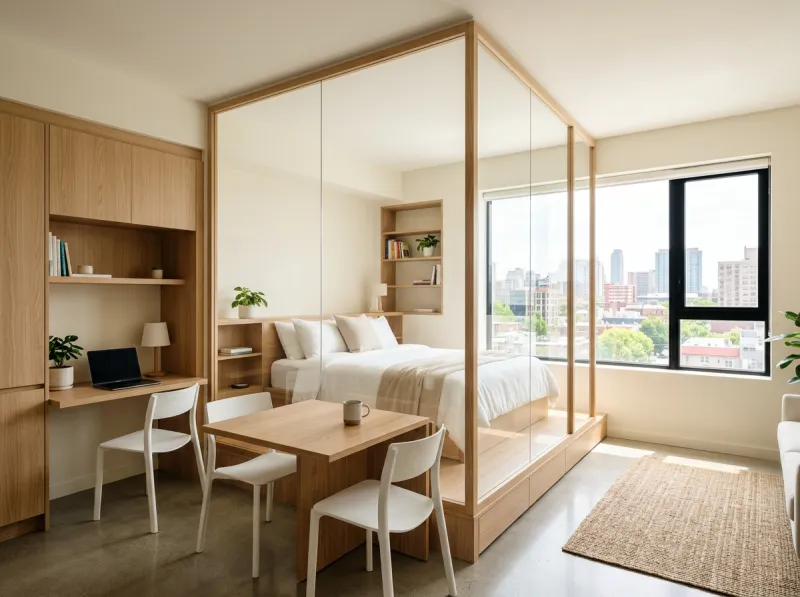
Photo source by SR Digital - Alinear Indonesia (FireFly – Gemini AI)
Resolving Volume Constraints in Micro-Scale Residential Layouts
Integrating high-performance daylight routing systems serves as a critical baseline framework to resolve spatial constraints within [Compact Living: Micro Apartment]. In urban properties where square footage is highly limited, traditional lighting setups often create a cramped, isolated feeling that makes small rooms feel even smaller.
By replacing solid partition walls with strategic glass modules, open transoms, and maximizing solar aperture inputs, micro-apartments can double their perceived visual depth. The incoming light changes continuously through the daytime, breathing movement and texture into small areas. This layout effectively lowers daily utility bills while transforming a confined footprint into an open, highly functional urban home that shifts with the natural rhythm of the day.
"A well-designed room does not require heavy decoration; it simply demands the courage to let sunlight become its primary artist."
The Pure Luxury of Raw Unadorned Spaces
Natural Light Optimization proves that high-end architectural execution relies on balancing environmental elements rather than adding material clutter. It repositions luxury as an experience of light, air, and structural intelligence.
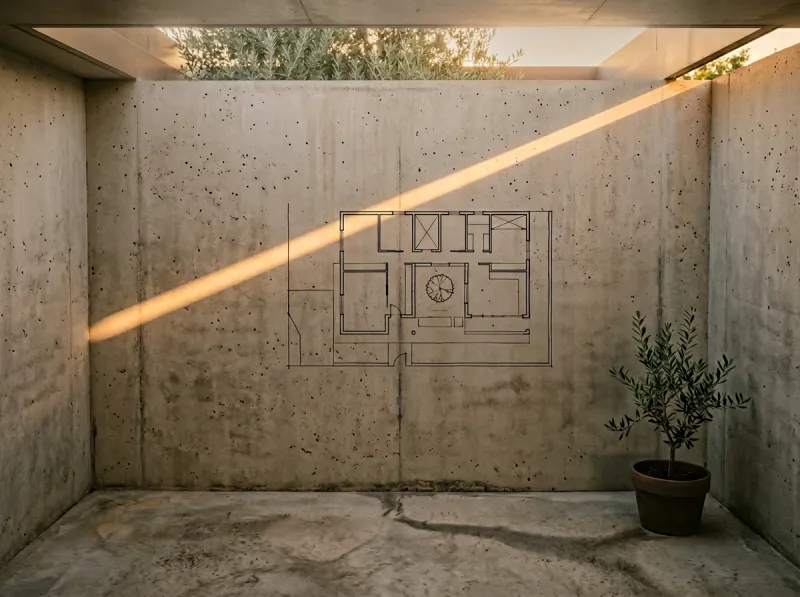
Photo source by SR Digital - Alinear Indonesia (FireFly – Gemini AI)
"True sustainability in modern architecture occurs when a building stops fighting the outdoor climate and begins channeling it to power its daily functions."
WRAP-UP!
Natural Light Optimization represents a vital leap forward in balancing dense urban lifestyles with genuine environmental responsibility. By masterfully controlling daylight through advanced window configurations, solar-selective glass coatings, and smart spatial routing, architects can create vibrant, open living spaces that virtually eliminate daytime lighting costs while maintaining comfortable, low-impact interior temperatures. This strategy proves that sustainable homes can be beautifully illuminated without relying on artificial energy consumption.
To apply these principles to your own living space, begin with an audit of your interior light paths during peak daytime hours. Replace heavy, light-blocking draperies with semi-translucent solar shades that diffuse glare while letting light travel deeper into your floor plan. If you are planning a renovation or layout upgrade, consider introducing open glass transoms above internal doors or installing reflective, low-VOC paint finishes opposite your primary windows to maximize the natural bounce of light, creating a bright, interconnected, and sustainable home environment.
Looking to feature your brand and business through Alinear Indonesia’s Smart Publication & Smart Activation? Share your experience and consult with us today. Click here!



![Alinear Indonesia [Brand/Business Registration] Smart Publication & Smart Activation](https://www.alinear.sr-digital.biz/assets_web/images/qr-codes/3e23e7dab43d2e72854ba48a3a09cf75.jpg)