
Photo by Dekler Ph on Unsplash
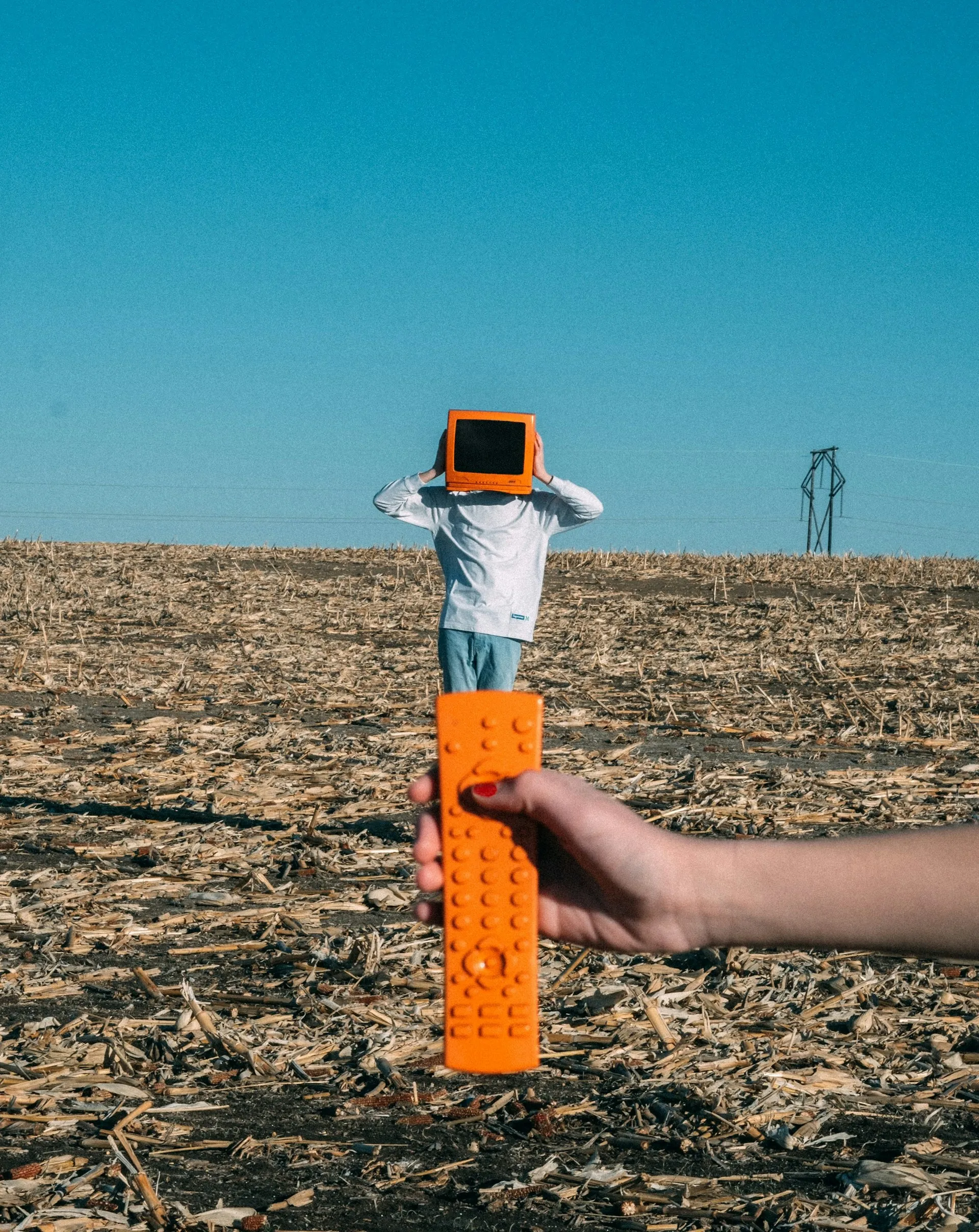
The ease of interaction within the modern digital ecosystem landscape has, ironically, birthed a new psychological challenge in global urban societies. Behind gadget screens that offer borderless connectivity and virtual chat rooms that remain active around the clock, a sociological phenomenon known as Digital Loneliness has emerged. This reality demonstrates that a high quantity of pixel-based interactions frequently fails to fulfill the fundamental human need for organic presence, validation, and social proximity.
The Revival of Third Places and the Quest for Authentic Connection
The response to this emotional isolation is triggering a significant pop culture shift across various urban centers. A massive, collective movement has surfaced where individuals actively seek an "antidote" through the creation of and participation in micro-scale physical communities. Face-to-face communal activities—ranging from round-table discussion groups and independent book clubs nestled in local cafe corners to morning running clubs—are experiencing a resurgence as sacred spaces to build friendships and emotional connections that are honest, warm, and free from algorithmic filters.

Photo by Julen Rey Azcona on Unsplash
"In a digitally connected world, a hug, direct eye contact, and a warm handshake are emotional luxuries that cannot be replaced by even the most sophisticated pixels."
Revitalizing Urban Infrastructure into Creative Hubs
This collective yearning for intimate, physical interaction spaces has now become a primary driving force behind the reorientation of communal urban planning. One of the most tangible manifestations of this trend is the widespread growth of projects focusing on the Revitalization of Old Warehouses and Abandoned Buildings into Creative Hubs. This architectural transformation is not merely an aesthetic urban design effort, but a profound sociological necessity to provide physical vessels where creative ecosystems, arts, and social dialogues can blend inclusively and spark cross-disciplinary collaborations.
Balancing the Duality of Modern Life
The phenomenon of digital loneliness and the resurgence of physical communities do not aim to radically reject digital technological progress. The future challenge for urban societies lies in navigating this duality of life wisely. By positioning technology as a tool for efficiency and physical spaces as the epicenter of emotional depth, modern humans can cultivate a healthier state of mental resilience in a world that continues to move at an accelerating pace.

Photo by Toa Heftiba on Unsplash
"Physical presence is the anchor of our humanity; technology expands the reach of our voice, but it is real space that gives heartbeat to its meaning."
WRAP-UP!
The phenomenon of Digital Loneliness confirms that virtual interaction cannot substitute for the core essence of human physical presence. The revival of micro-communities and creative communal centers serves as concrete proof that the need for authentic connection remains a top priority in sustaining the psychological well-being of urban citizens. Are you beginning to feel fatigued by interactions behind a screen and wish to explore a curated list of the finest local Creative Hubs to visit, or are you interested in delving into deeper urban sociology reviews?
Looking to feature your brand and business through Alinear Indonesia’s Smart Publication & Smart Activation? Share your experience and consult with us today. Click here!
![Smart Publication+ 3.0: Build Authority. Drive Growth. [Technical Specification]](https://www.alinear.sr-digital.biz/assets_web/images/qr-codes/bd48cb0acb2d9586570edb8a7303cee1.jpg)