

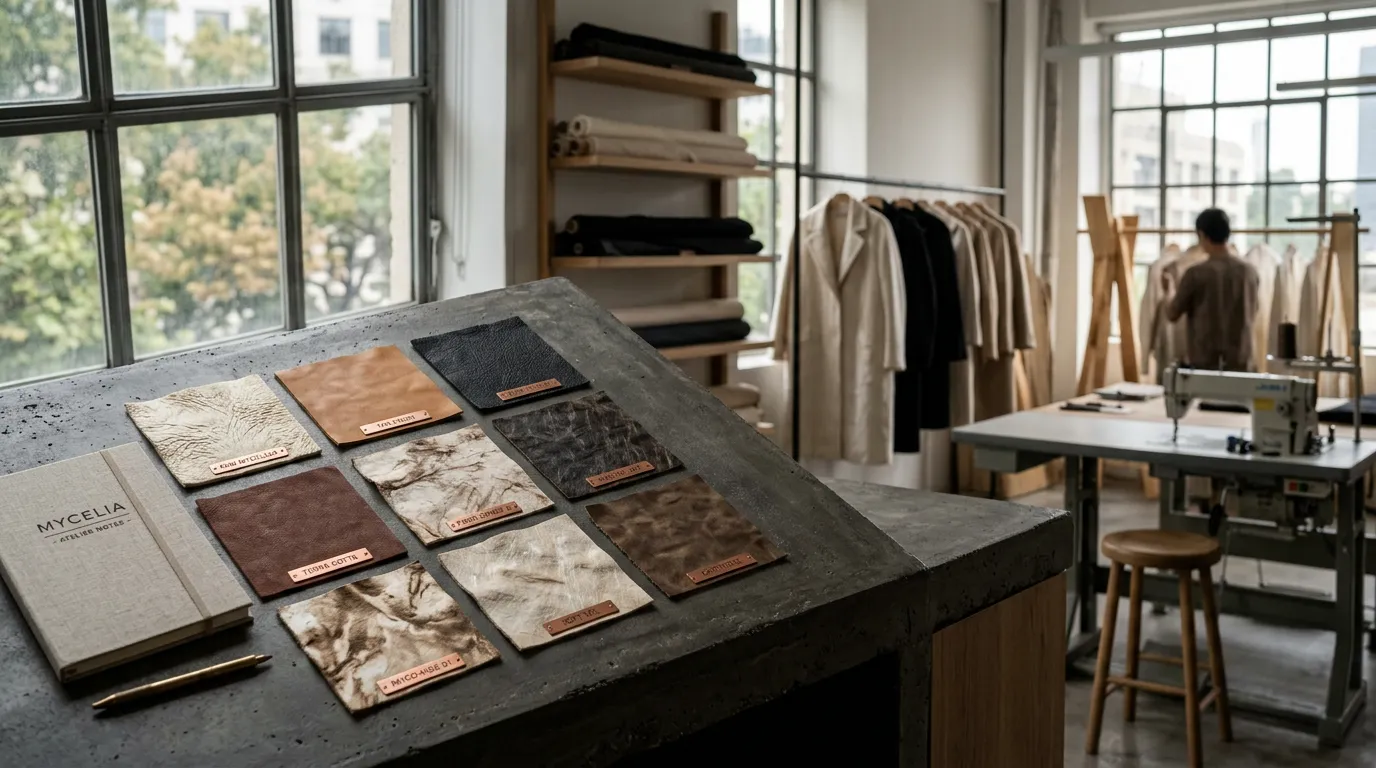

Photo source by Alinear Indonesia Docs.
For decades, the global fashion industry has contributed massive carbon footprints and toxic, non-biodegradable waste. Amidst climate change demands, conventional recycling approaches alone are no longer enough; the industry requires a radical transformation at the foundational material level.
The advent of biomaterials—particularly those based on mycelium root networks—ushers in a new era where clothing is no longer produced at the expense of the earth, but grown through biotechnology engineering aligned with natural cycles.
Mycelium is the vegetative structure of fungi consisting of microscopic thread-like networks called hyphae. When cultivated in controlled conditions using agricultural waste substrates, this network can be transformed into sheet materials possessing textures, strengths, and flexibility comparable to genuine animal leather.
"The future of luxury fashion is no longer about how exclusive mined or animal materials are, but about how harmoniously they are grown from nature."
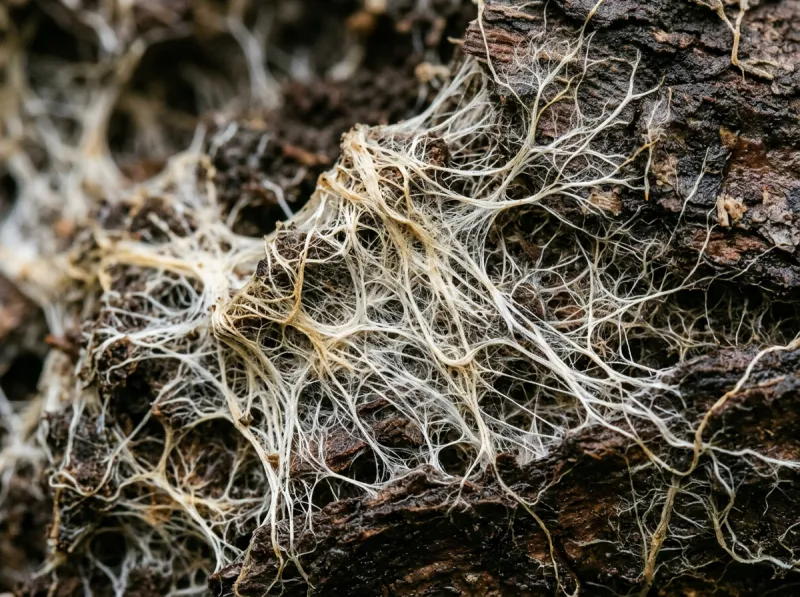
Photo source by Alinear Indonesia Docs.
–– Tactile Characteristics and Resilience: Through chemical-free vegetable tanning processes, mycelium materials offer luxurious sensory touch (craftsmanship) without compromising daily durability.
–– Full Biodegradability Cycle: Unlike plastic-based synthetic leather that triggers microplastic pollution, mycelium-based products can decompose naturally in the soil after their lifespan ends.
–– High Functionality: Designers are now able to create high-performance jackets, bags, and footwear that are waterproof and possess optimal elasticity thanks to this biomaterial structural innovation.
"Mycelium fibers prove that agricultural waste can be transformed through science into high-value functional fashion creations."
For business operators and fashion startups, transitioning to biomaterials is not merely a greenwashing marketing strategy, but a new operational foundation within circular economy models.
•• Closed-Loop Supply Chain: Utilizing local agricultural waste as mushroom growth nutrients cuts global logistics emissions and creates long-term material cost efficiencies.

Photo source by Alinear Indonesia Docs.
•• Future Assets Value: Companies that adopt regenerative textile technology early will control innovation patents and the trust of increasingly critical modern consumers.
•• The Role of Trendsetters and Social Identity: Trendsetters and creative communities play a major role in redefining luxury standards, where prestige is now measured by how clean and responsible a fashion product's origins are.
For creators and brand owners wanting to integrate regenerative textile innovation, the following tactical steps should be applied:
1) Biotechnology Partnership Research: Establish strategic collaborations with laboratories or local biomaterial producers manufacturing certified mycelium sheets.
2) Transparent Consumer Education: Communicate product creation narrative approaches creatively so consumers understand the intrinsic value behind these curated goods.
3) Design for Circularity: Ensure products are designed with modular components that facilitate material separation upon entering the final phase of the product lifecycle.
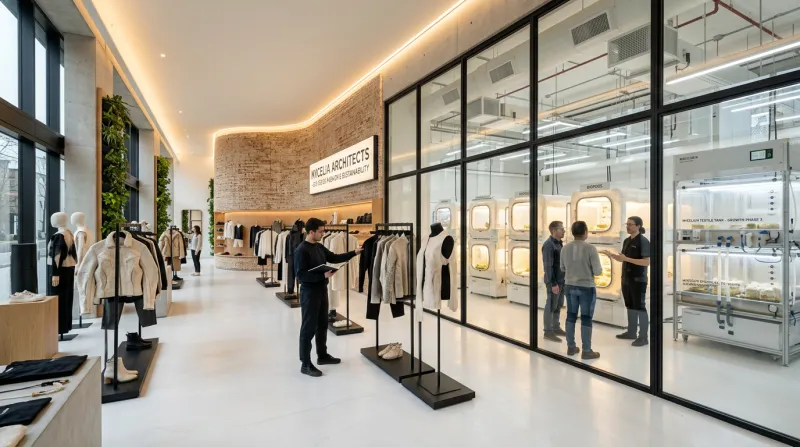
Photo source by Alinear Indonesia Docs.
"The circular economy demands total change: stop exploiting the earth, and start designing products that are cared for and returned to nature."
Fashion is no longer measured by how fast trends change, but by how regenerative the impact left behind by a product is. By merging biotechnology sophistication with high aesthetic awareness, mycelium fibers mark the beginning of a new era where functional fashion grows directly from the heart of nature.
WRAP-UP!
Regenerative textile innovations based on mycelium fibers and biomaterials offer a definitive solution for the fashion industry to transition toward sustainable circular business models, maintain functional durability, and significantly reduce ecological impacts
Review your brand's material portfolio, explore collaborations with local biomaterial producers, and begin designing capsule collections based on eco-friendly products to attract ethically conscious consumer segments.
Discover how SR Digital - Alinear Indonesia’s Smart Publication & Smart Activation combine AI-driven intelligence with high-impact human storytelling to amplify your business visibility. Share your vision and consult with us today. Ready to elevate your brand in the era of AI? Click here!



![Alinear Indonesia [Brand/Business Registration] Smart Publication & Smart Activation](https://www.alinear.sr-digital.biz/assets_web/images/qr-codes/3e23e7dab43d2e72854ba48a3a09cf75.jpg)