


Photo source by SR Digital - Alinear Indonesia (FireFly – Gemini AI)
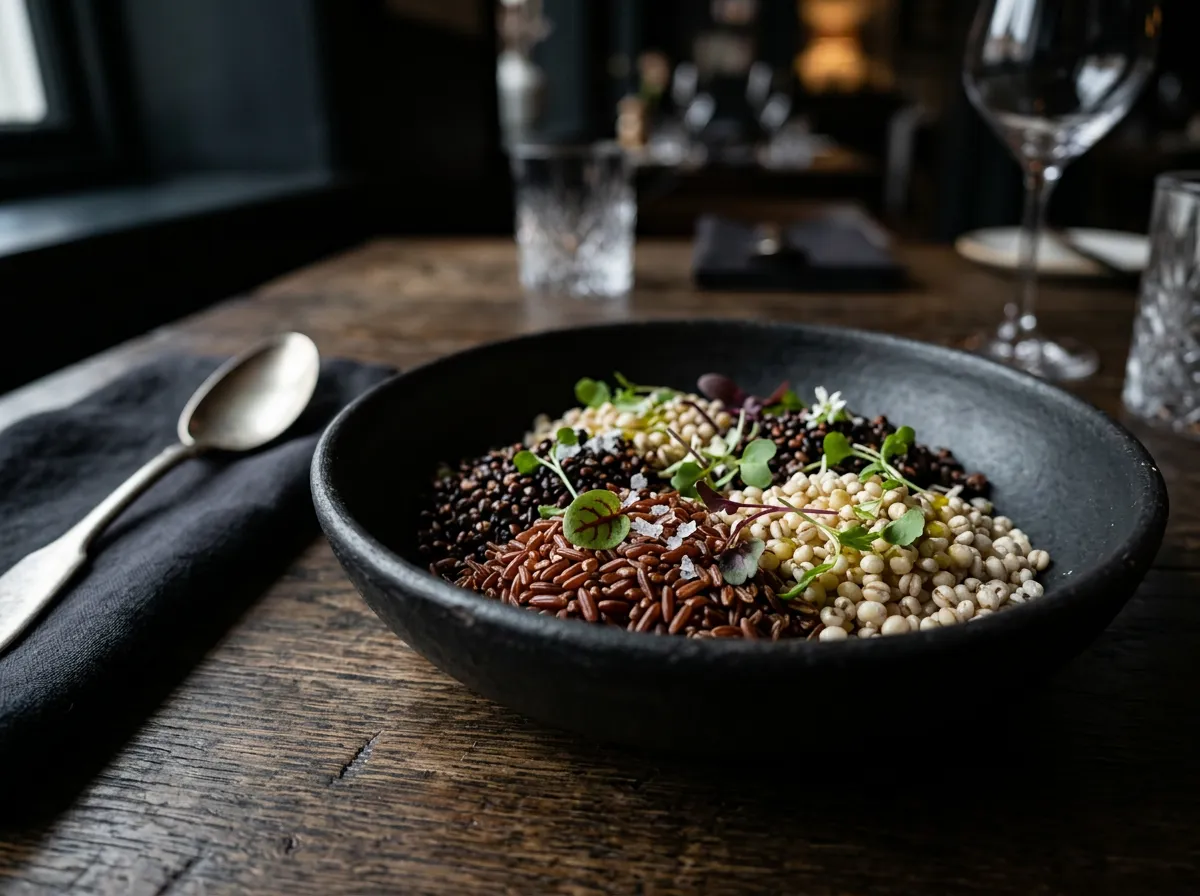
The culinary gastronomy landscape in mid-2026 is experiencing the definitive rise of the Heirloom Grains Revival—a cultural and economic movement dedicated to elevating native Indonesian rice varieties and ancient grains once sidelined by mass-market industrial systems. For decades, global commodity market standardization pushed local varieties aside in favor of uniform crop yields. Today, however, a collective awakening among premium F&B operators is completely reversing this trajectory.
High-end restaurants across the capital are actively spotlighting heritage rice varieties such as Mamberamo rice, organic Sumba red rice, alongside sorghum and Job's tears (jali-jali) as primary anchors on their menus. This tactical shift moves grains away from being neutral, passive carbohydrates on a plate and positions them as the central flavor narrative of the dish. This culinary evolution demonstrates to urban consumers that Indonesia’s agricultural heritage holds a vast spectrum of complex flavors that remain largely undiscovered.
Sensory Adventures and Biological Validation
The decision to embrace ancient heritage grains yields dual benefits for both the culinary industry and local agricultural ecosystems. For discerning food enthusiasts, these varieties unlock an entirely new sensory adventure, offering intricate textures, distinct flavor notes, and dense nutritional properties that mass-processed polished white rice simply cannot replicate. These unique profiles offer a fresh, blank canvas for chefs to innovate without creative constraints.
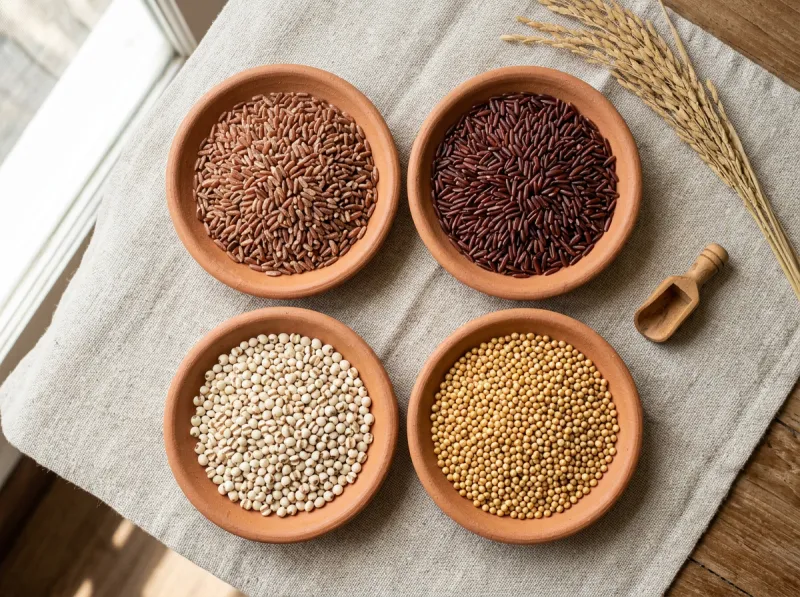
Photo source by SR Digital - Alinear Indonesia (FireFly – Gemini AI)
Behind the scenes, this movement provides vital support for local agricultural biodiversity and secures fair economic stability for traditional farmers working in remote regions. By establishing direct-sourcing pipelines from ancestral fields directly to fine-dining venues, the economic value of these crops experiences a substantial upgrade. This financial validation directly motivates farming communities to safeguard their heirloom seeds against the threat of extinction posed by expanding monoculture grids.
Raw Material Synergy in Closed-Loop Restaurant Frameworks
The deliberate integration of pure, sustainably grown local ingredients rich in cultural narratives beautifully completes the responsible culinary ecosystem championed by the [Circular Kitchen: Zero-Waste Restaurant]. The resilient biological nature of ancient grains like sorghum and Job's tears enables them to thrive without heavy chemical fertilizers, making them incredibly low-carbon options right from cultivation.
Within circular restaurant operations, the structural components of these heirloom crops can be utilized entirely to achieve total food waste mitigation. For instance, byproduct hulls, chaff, or bran separated during final preparation can be upcycled into fermented broths, textured baking flours, or indoor composting agents. This intentional synergy proves that honoring ancestral foodstuffs yields production systems that are clean, self-sustaining, and highly efficient.
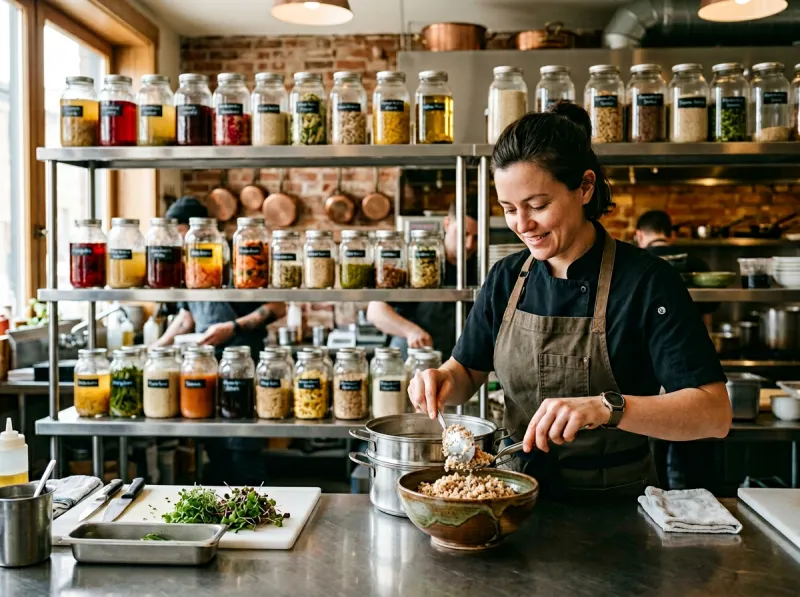
Photo source by SR Digital - Alinear Indonesia (FireFly – Gemini AI)
"Exploring ancient grains is not merely a dietary trend; it is the most delicious way to protect food sovereignty and preserve the authentic flavor heritage of our land."
Food Sovereignty on the Modern Plate
Heirloom Grains Revival proves that the future of premium dining does not rely on luxury imported commodities, but on a restaurant's ability to mine the depth of indigenous agricultural roots.
"In the hands of a mindful cook, a single grain of heritage rice tells a story of resilient soil, artisanal labor, and a cultural identity that refuses to be forgotten."
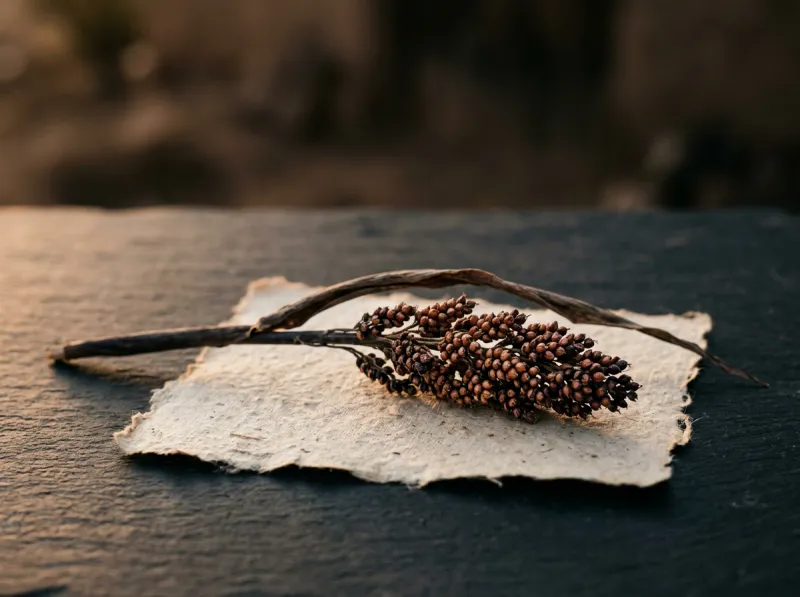
Photo source by SR Digital - Alinear Indonesia (FireFly – Gemini AI)
WRAP-UP!
The movement to revive Indonesia’s ancient grains represents a strategic investment in the future of culinary culture and environmental preservation. By integrating heritage varieties like Sumba red rice, Mamberamo, and sorghum into modern culinary benchmarks, the F&B sector does more than elevate flavor design—it directly safeguards agricultural biodiversity and champions the livelihood of traditional farming communities.
For culinary business owners, hospitality managers, and professional chefs, begin this transition by forming direct procurement alliances with local farming cooperatives focused on preserving heritage seeds. Run kitchen trials to substitute standard, mass-produced grains or imported wheat commodities with indigenous sorghum and Job's tears in your signature offerings. Feature the historical lineage and geographic origins of these grains on your menus to educate guests, building a powerful, narrative-driven connection with your diners.
Looking to feature your brand and business through Alinear Indonesia’s Smart Publication & Smart Activation? Share your experience and consult with us today. Click here!



![Alinear Indonesia [Brand/Business Registration] Smart Publication & Smart Activation](https://www.alinear.sr-digital.biz/assets_web/images/qr-codes/3e23e7dab43d2e72854ba48a3a09cf75.jpg)