

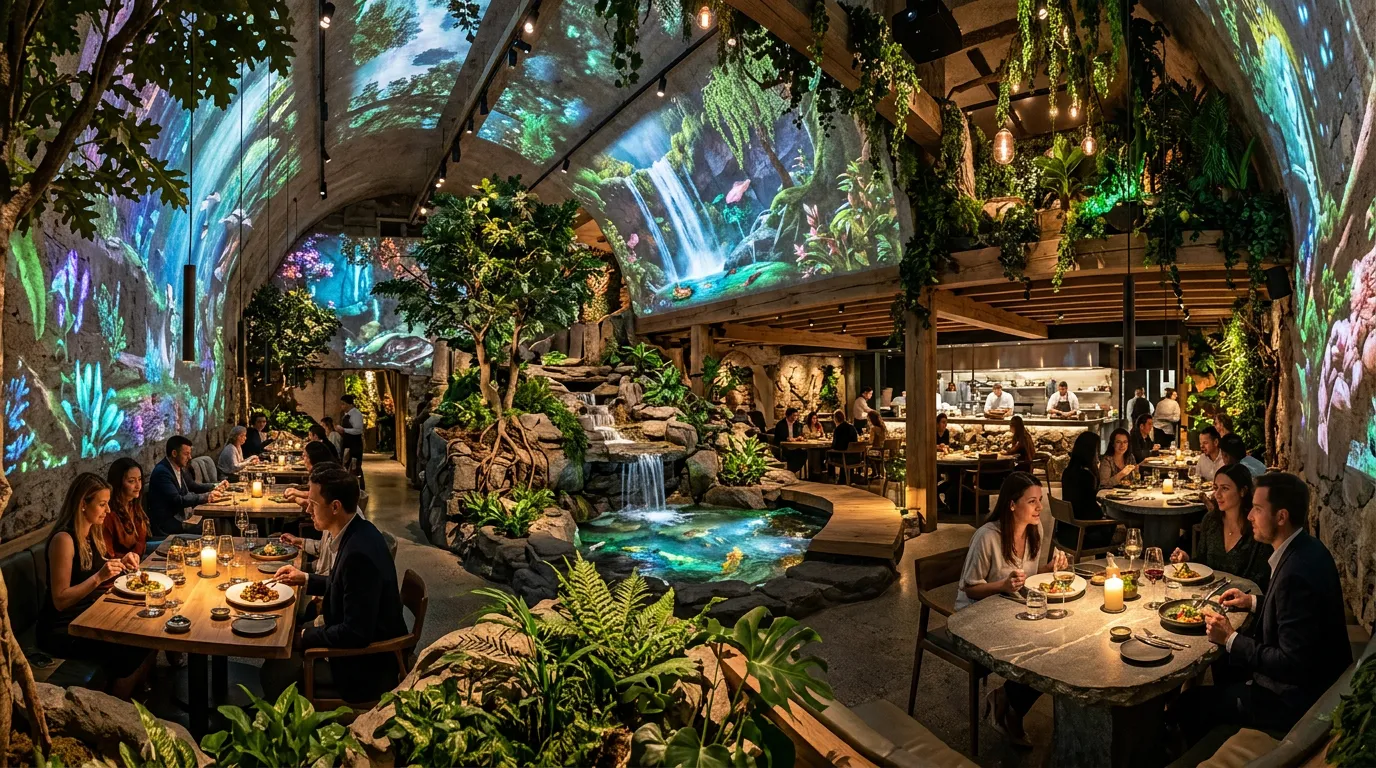

Photo source by Alinear Indonesia Docs.
For hundreds of years, culinary art was judged by just two primary parameters: aroma and taste on the tongue. However, scientific revolutions in gastrophysics—the marriage of psychophysics and food science—have shattered that myth.
The human brain actually processes food through the simultaneous orchestration of all senses. Room atmosphere, the weight of a spoon in hand, or the color of a ceramic plate play critical roles in determining whether a dish tastes exquisite or ordinary.
The dining experience is a multi-sensory illusion consciously or subconsciously engineered by the surrounding environment.
"Delicious food flavor is not just created by kitchen cooking skills, but woven together by the collaboration of all five senses at the dining table."

Photo source by Alinear Indonesia Docs.
•• The Impact of Cutlery Weight and Texture: Research shows that desserts served with heavy metal spoons or textured bowls are perceived as significantly sweeter and richer compared to when served with lightweight plastic cutlery.
•• Acoustics and Background Sound Frequencies: High-frequency music can enhance perceived sweetness in dessert dishes, while warm low-frequency background tones amplify the umami and savory notes of main courses.
•• Room Lighting: Dim or bright ambient lighting directly affects the taste bud's sensitivity to saltiness and acidity intensities.
Consciously engaging all senses while eating (mindful sensory dining) is proven to positively impact mental health (health and mind).

Photo source by Alinear Indonesia Docs.
When individuals slow down and truly notice textures, sounds, and aromas, the parasympathetic nervous system is stimulated, reducing daily stress and creating a deeper emotional connection with the food consumed.
"Changing the weight of cutlery or the color of a plate is just as effective as adding sugar or salt to a dish."
For top-tier chefs and trendsetters globally, the kitchen is no longer just a recipe laboratory, but a sensory theater stage.
Collaborations between cognitive scientists, interior designers, and culinary artists give birth to curated menus (curated menus) that deliver surprises in every bite, making dining experiences a new cultural status symbol highly sought after by cosmopolitan urbanites.
The future of the gastronomy industry moves toward personalization based on individual sensory responses.
"Modern gastronomy is the art of tricking the brain to create true happiness in every bite."
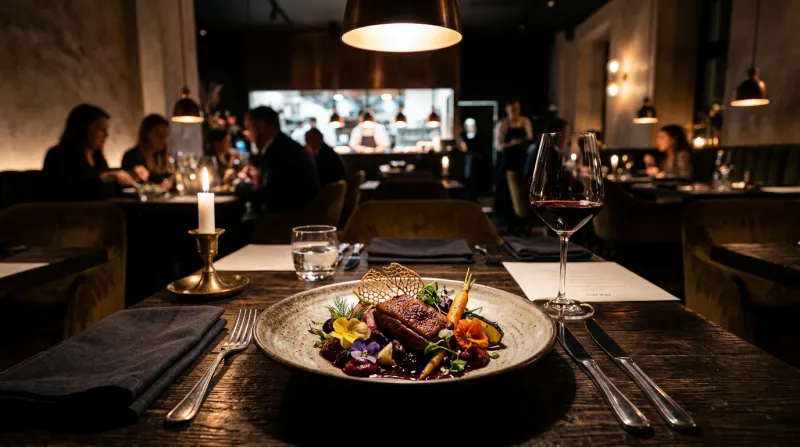
Photo source by Alinear Indonesia Docs.
By understanding how each sense influences culinary satisfaction, future restaurants will be able to craft dishes that not only indulge the physical body but also heal and relax the soul through a harmony of science and flavor art.
WRAP-UP!
Multi-sensory gastronomy research proves that taste perception is heavily influenced by external factors such as cutlery texture, acoustics, and lighting, which not only enhance dining enjoyment but also holistically support mental well-being. Explore your next dining experience by observing how spatial ambiance, background music, and tableware alter flavor sensations in your favorite dishes.
Discover how SR Digital - Alinear Indonesia’s Smart Publication & Smart Activation combine AI-driven intelligence with high-impact human storytelling to amplify your business visibility. Share your vision and consult with us today. Ready to elevate your brand in the era of AI? Click here!



![Alinear Indonesia [Brand/Business Registration] Smart Publication & Smart Activation](https://www.alinear.sr-digital.biz/assets_web/images/qr-codes/3e23e7dab43d2e72854ba48a3a09cf75.jpg)