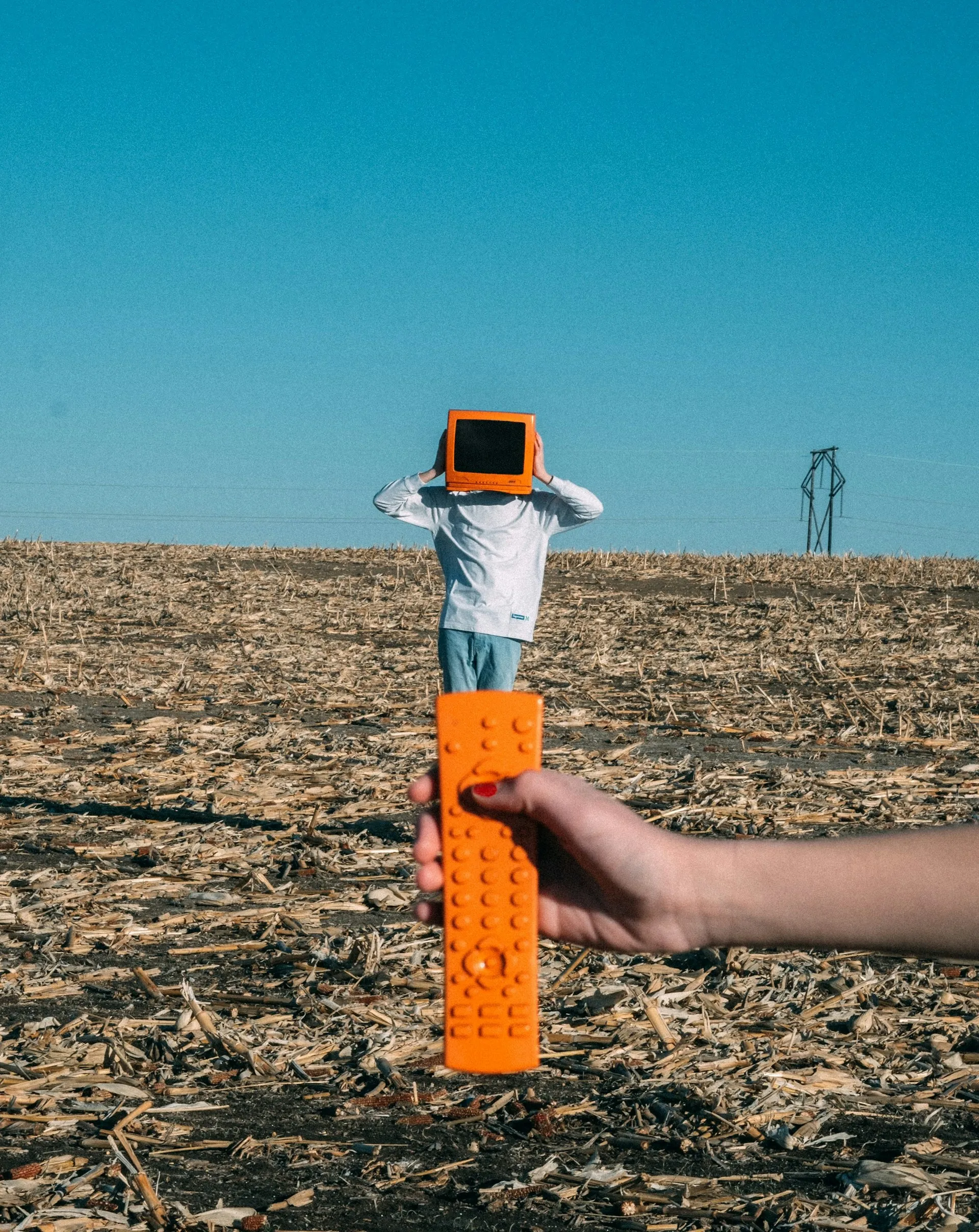

The evolution of Computer Generated Imagery (CGI) has traveled a long way from the early days of rigid computer graphics to a stage where the technology is capable of creating nearly perfect digital humans. In the modern film industry, CGI is no longer just a tool for creating massive explosions in blockbusters or monsters in fantasy films; it has permeated even the most subtle dramas. Current CGI use is focused more on environmental manipulation, virtual lighting, and actor de-aging processes that allow cinema to explore timelines without biological constraints.
"On the big screen today, the human eye can no longer distinguish between what is born from a physical camera and what grows from a digital algorithm."

Photo by Myke Simon on Unsplash
One of the most significant breakthroughs in recent years is the implementation of Real-time Rendering using game engines like Unreal Engine in the film production process. This technology allows directors to see digital backgrounds live on set (often referred to as The Volume), drastically changing how actors interact with their environment. The line between physical reality and digital manipulation is becoming increasingly blurred. When we watch the latest Box Office hits, often what we perceive as an original filming location is actually a digital projection calibrated with precise physical lighting.

Photo by Benoit Debaix on Unsplash
However, behind this technical sophistication, ethical and artistic challenges arise. Film critics often debate whether CGI dominance might diminish the "soul" of human acting. Yet, Alinear observes that this evolution actually opens up limitless creative space. CGI is now used to create hyper-reality—a condition where digital images feel "more real than reality itself." The smallest details, such as skin pores, light reflections in the cornea, and the movement of hair strands processed through advanced physics simulations, allow viewers to become fully immersed in the narrative.
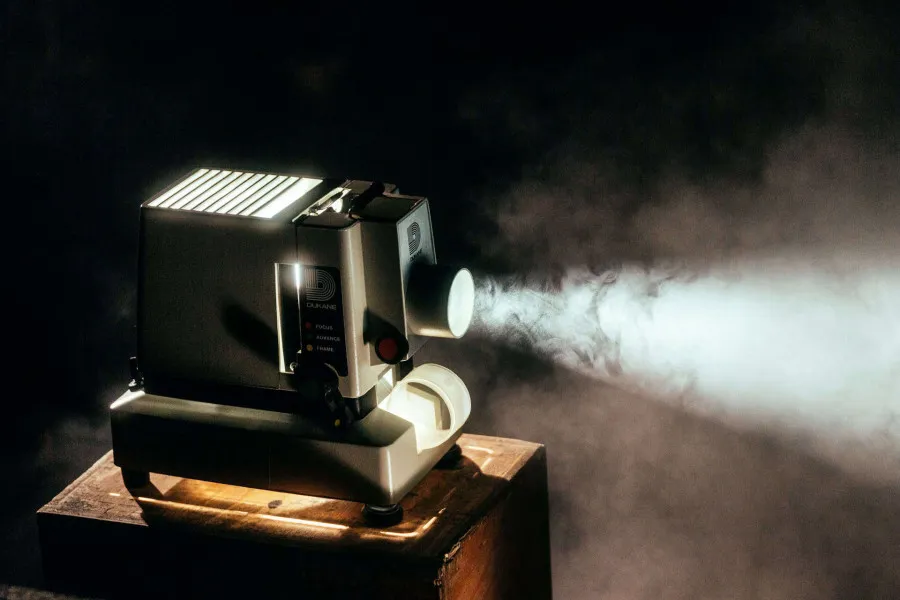
Photo by Jeremy Yap on Unsplash
The future of cinema is a harmonious collaboration between traditional art direction and digital innovation. CGI is no longer viewed as a visual "lie," but as a new paintbrush for filmmakers to paint dreams that were previously impossible to visualize. For film lovers, understanding this development is not just about admiring visual effects, but about appreciating how technology can deepen our emotional experience in the darkness of the cinema.
"Technology has transformed cinema into a collective dream that we can witness with open eyes and fully believing hearts."

WRAP-UP!
CGI is no longer just a supporting tool, but a new foundation in modern storytelling that enables boundless imagination. Pay attention to the details of light reflections and textures in the latest films to appreciate how far digital technology has evolved.
Or looking to feature your brand and business through Alinear Indonesia’s Smart Publication & Smart Activation services? Share your experience and consult with us today. Click here!

![Smart Publication+ 3.0: Build Authority. Drive Growth. [Technical Specification]](https://www.alinear.sr-digital.biz/assets_web/images/qr-codes/bd48cb0acb2d9586570edb8a7303cee1.jpg)